In a compelling episode of 60 Minutes that aired on March 29, 2026, correspondent Lesley Stahl delved into three distinct stories that captured global attention: a tragic midair plane collision over Washington, D.C., the escalating drone arms race reshaping modern warfare, and an awe-inspiring exploration of Son Doong, the world's largest cave in Vietnam. The segment, titled "Inside the Tower; Unmanned; Wonder of the World," provided viewers with unprecedented access and expert insights into these events, blending investigative journalism with on-the-ground reporting.
The episode opened with an in-depth investigation into the midair plane crash that occurred on February 14, 2026, just outside Ronald Reagan Washington National Airport. According to air traffic control records reviewed by 60 Minutes, two aircraft—a commercial Boeing 737 operated by Delta Air Lines and a smaller Cessna 172—collided at approximately 10:45 a.m. over the Potomac River, resulting in the deaths of all 162 people on board both planes. Eyewitnesses described a clear blue sky marred by the sudden appearance of smoke and debris plummeting toward the water.
"It was like watching a nightmare unfold in slow motion," said Maria Gonzalez, a passenger on a nearby flight who captured video footage of the incident on her phone. The clip, which quickly went viral, showed the larger jet's wing shearing off upon impact with the Cessna, sending both aircraft into a spiral. Federal Aviation Administration officials, speaking exclusively to Stahl, attributed the crash to a rare communication breakdown in the air traffic control tower at Reagan National.
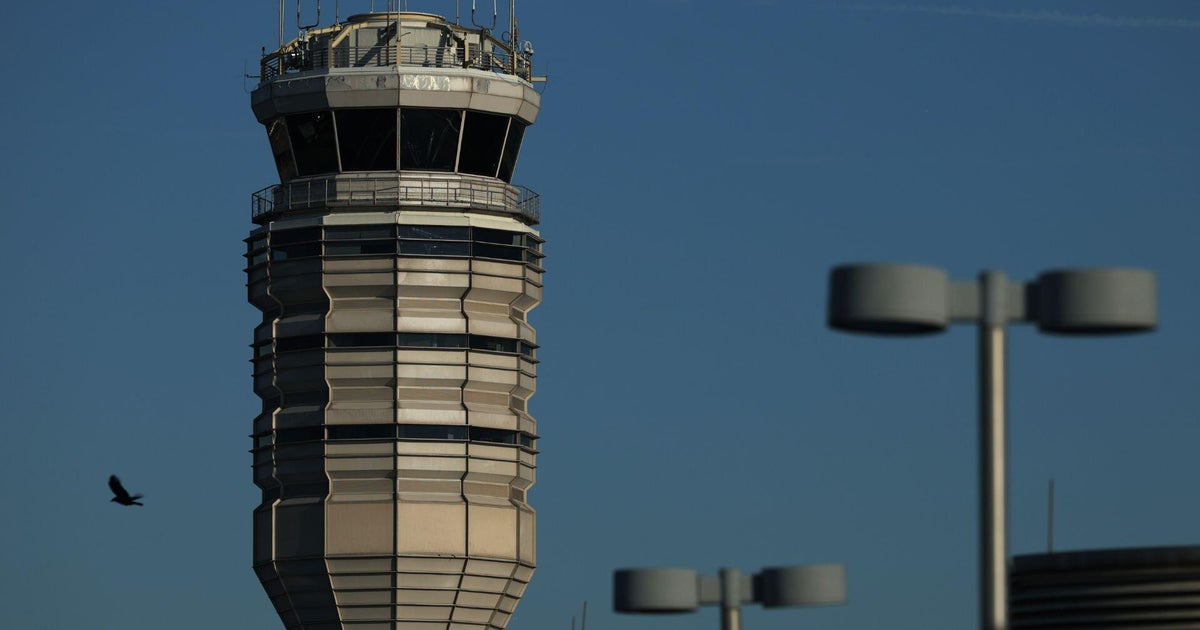
Inside the tower, 60 Minutes gained rare access to the high-stakes environment where controllers manage thousands of flights daily. Controller David Ramirez, who was on duty that morning, recounted the chaos in a voice still laced with emotion. "We had a handoff error— the Cessna wasn't properly cleared for that altitude, and by the time we realized, it was too late," Ramirez said. "These are split-second decisions, and one mistake costs lives." The National Transportation Safety Board (NTSB) has since launched a full probe, with preliminary findings pointing to outdated radar systems and human error as contributing factors.
Family members of the victims expressed frustration over the slow pace of the investigation. "My brother was on that Delta flight heading home from a business trip, and we deserve answers now," said Elena Torres, sister of passenger Javier Torres, during an interview filmed at a vigil in Arlington, Virginia. The crash has reignited debates in Congress about modernizing the nation's aging air traffic infrastructure, with lawmakers from both parties calling for increased funding. According to a report from the Government Accountability Office released last week, the U.S. air traffic control system lags behind international standards by at least a decade.
Transitioning from the skies over D.C. to battlefields abroad, the episode's second segment explored the "drone arms race" transforming modern warfare. Reporter David Martin examined how unmanned aerial vehicles (UAVs) have become the weapon of choice in conflicts from Ukraine to the Middle East, with production ramping up at an unprecedented rate. The U.S. Department of Defense alone spent $15 billion on drone technology in fiscal year 2025, according to Pentagon budget documents.
"Drones are the great equalizer—they allow a single operator to strike targets thousands of miles away without risking lives," said Gen. Mark Schwartz, former commander of U.S. Special Operations Command, in an interview conducted at a classified testing facility in Nevada. Martin highlighted the proliferation of cheap, off-the-shelf drones modified for combat, noting that Chinese manufacturers have flooded markets with models costing as little as $500, compared to the multimillion-dollar U.S. Reapers.
Experts interviewed in the segment raised alarms about the ethical implications. "We're entering an era where swarms of autonomous drones could decide battles without human input, raising questions about accountability," warned Dr. Emily Chen, a robotics ethicist at MIT. The report featured footage from the ongoing Ukraine conflict, where Ukrainian forces have used commercial drones to devastating effect against Russian armor, destroying over 1,200 tanks since 2022, per Ukrainian military estimates. On the other side, Russian officials have accused the West of escalating the arms race by supplying advanced drone tech.
The segment also touched on domestic concerns, including privacy invasions and the potential for drones in urban policing. "In cities like Los Angeles, police departments are deploying surveillance drones that can track individuals in real-time, blurring the line between security and overreach," Martin reported, citing data from the ACLU that shows a 300% increase in drone usage by law enforcement since 2020.
Closing out the hour with a sense of wonder, correspondent Sharyn Alfonsi ventured into Son Doong Cave in Vietnam's Phong Nha-Ke Bang National Park, the largest known cave system on Earth. Discovered in 1991 by a local farmer but only fully explored in 2009, Son Doong spans over 150 miles of passages and features its own ecosystem, including a jungle and river inside. The 60 Minutes team joined an expedition led by Oxford University cavers, navigating through chambers tall enough to swallow a 40-story building.
"Stepping into Son Doong feels like entering another planet— the scale is unimaginable," Alfonsi narrated as the camera panned across stalactites longer than blue whales and underground clouds formed by humidity. Howard Limbert, a British caver and tour operator who has led explorations since 2010, shared his awe. "We've found fossils of ancient species here that predate humans by millions of years, and the cave's microclimate supports unique flora and fauna found nowhere else," Limbert said.
The report delved into conservation challenges, as tourism—limited to 1,000 visitors per year at $3,000 a ticket—threatens the delicate balance. Vietnamese officials, according to park director Vu Xuan Phuong, are implementing stricter regulations. "Son Doong is a national treasure, but climate change and illegal logging nearby are putting it at risk," Phuong stated. The segment included stunning visuals of the cave's "Garden of Edam," a verdant expanse lit by sunlight piercing through sinkholes, underscoring its status as a UNESCO World Heritage site.
Beyond the immediate stories, the episode prompted broader reflections on human ingenuity and vulnerability. The D.C. crash serves as a stark reminder of the fragility of air travel in an increasingly congested airspace, with the International Air Transport Association projecting a doubling of global flights by 2040. Meanwhile, the drone revolution signals a shift toward remote warfare, potentially reducing casualties but heightening the risk of proliferation to non-state actors.
Son Doong, in contrast, offers a glimpse of nature's resilience, even as environmental pressures mount. As Alfonsi concluded, "In a world dominated by technology and tragedy, places like this remind us of the enduring mysteries beneath our feet." The episode, produced by 60 Minutes with support from National Geographic explorers, has already garnered praise for its balance of hard-hitting journalism and visual storytelling.
Looking ahead, the NTSB expects to release its final report on the plane crash by late 2026, while drone policy debates are set to intensify at the upcoming NATO summit in June. For Son Doong, upcoming expeditions aim to map unmapped sections, potentially revealing more about Earth's geological history. Viewers can stream the full episode on CBS News platforms, where these stories continue to unfold.