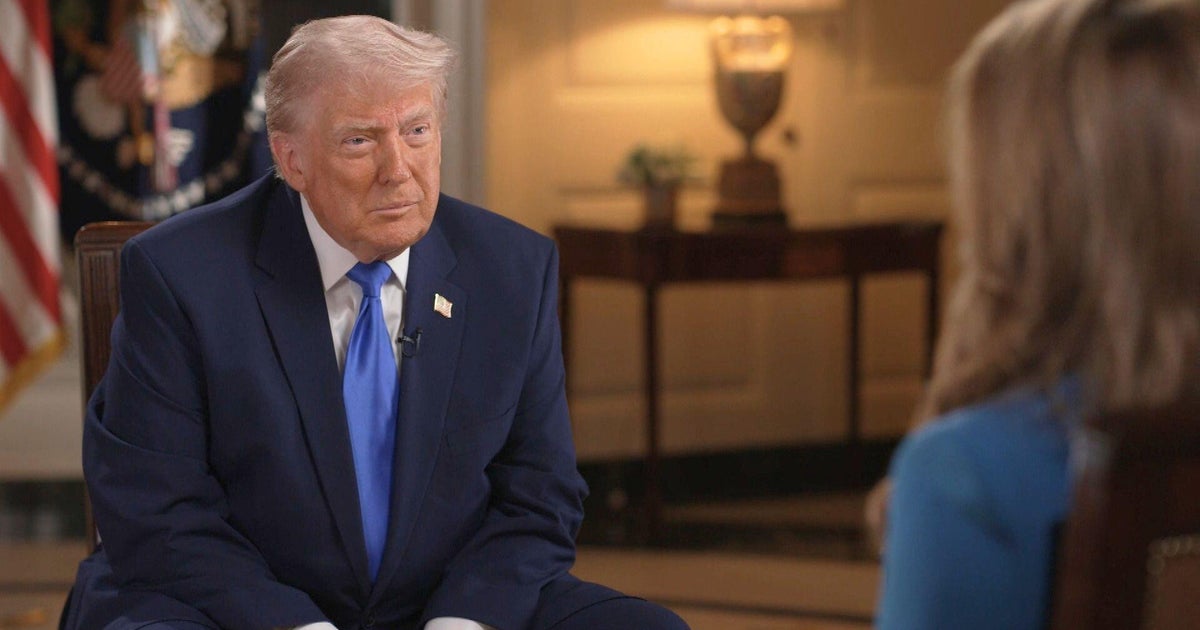
APPLETON, Wis. — In a highly anticipated episode of 60 Minutes that aired on April 26, 2026, correspondent Lesley Stahl sat down with President Donald Trump for an exclusive interview, marking one of the first in-depth looks at his second term since his inauguration earlier that year. The segment, titled "President Donald Trump: The 2026 60 Minutes Interview," delved into the administration's early challenges, including economic recovery efforts and foreign policy shifts. Trump, speaking from the Oval Office, reflected on his return to the White House after defeating incumbent President Kamala Harris in the 2024 election.
"It's been a whirlwind, but we're making America great again, better than ever," Trump said, according to a transcript released by CBS News. He highlighted achievements like the passage of a sweeping tax cut extension and border security enhancements, crediting his victory to voter turnout in key swing states such as Pennsylvania and Georgia. The interview, which lasted nearly 20 minutes, also touched on ongoing legal battles from his first term, with Trump dismissing recent court rulings as "witch hunts" orchestrated by political opponents.
Stahl pressed the president on inflation rates, which had ticked up to 4.2 percent in the first quarter of 2026, according to Bureau of Labor Statistics data. Trump attributed the spike to global supply chain disruptions lingering from the COVID-19 era and pledged further deregulation to spur growth. "We're cutting red tape like never before," he stated. Critics, including economists from the Brookings Institution, have warned that such measures could exacerbate income inequality, but Trump countered that his policies were designed to benefit working-class Americans.
Transitioning to domestic policy, the interview addressed the administration's stance on education reform. Trump touted a new initiative to expand school choice nationwide, drawing from proposals floated during his campaign. "Parents know best," he emphasized, echoing a refrain from his 2024 rallies. The segment included footage from a recent event in Florida, where Trump signed an executive order aimed at reducing federal oversight of local curricula.
Following the Trump interview, the episode featured a separate conversation with Sen. Ben Sasse, R-Neb., titled "Ben Sasse: The 60 Minutes Interview." Sasse, a longtime critic of Trump within the Republican Party, discussed the evolving dynamics of conservatism in the post-2024 landscape. Now in his second term as a senator, Sasse has positioned himself as a voice for institutional reform, often clashing with the MAGA wing of the GOP.
"The party needs to rediscover its principles beyond personality," Sasse told Stahl during the 15-minute sit-down, filmed at his home in Omaha, Nebraska, on April 15, 2026. He referenced his 2020 book, The Vanishing American Adult, to underscore concerns about civic education and national unity. Sasse expressed cautious optimism about Trump's agenda but urged vigilance on issues like deficit spending, noting that the national debt had surpassed $35 trillion under successive administrations.
Sasse's comments came amid reports of internal GOP tensions, particularly over foreign aid packages to Ukraine and Israel. While Trump has advocated for reduced U.S. involvement abroad, Sasse argued for a more robust international presence. "America's strength is in its alliances," he said, citing the need to counter China's influence in the Indo-Pacific region. The interview highlighted a generational divide, with Sasse, at 54, representing a more traditionalist strain compared to Trump's populist base.
The senator also addressed his own political future, amid speculation about a potential 2028 presidential run. "I'm focused on Nebraska and the Senate," Sasse replied when asked directly, though he didn't rule out higher ambitions. Political analysts, such as those from the Cook Political Report, have pegged Sasse as a dark horse candidate, given his intellectual appeal to suburban voters.
The episode's third segment, "Shots Fired: The Pigeon Mafia," shifted gears to an investigative report on an underground network of pigeon racers in New York City, where organized crime has infiltrated the sport. Correspondent Bill Whitaker narrated the 12-minute piece, which uncovered allegations of a "pigeon mafia" controlling breeding and racing operations in Brooklyn and Queens.
According to law enforcement sources cited in the report, the group, loosely dubbed the Pigeon Mafia by insiders, has been linked to extortion, doping scandals, and violent disputes over prized birds. On March 14, 2026, shots were fired during a late-night confrontation at a pigeon coop in East New York, injuring two men, as reported by the New York Police Department. "These aren't just hobbyists; this is organized crime preying on immigrant communities," said NYPD Detective Maria Gonzalez in an on-camera interview.
The segment featured interviews with affected racers, many of whom are first-generation immigrants from the Caribbean and Eastern Europe. One anonymous breeder, speaking from a shadowed loft in Williamsburg, described the intimidation tactics: "They demand a cut of every race win, or your birds disappear." The report traced the mafia's origins to the 1990s, when illegal gambling on pigeon races exploded, generating an estimated $50 million annually in unreported revenue, per FBI estimates.
Whitaker's team embedded with authorities during a raid on April 10, 2026, at a warehouse in Red Hook, where officers seized over 200 pigeons valued at up to $10,000 each and uncovered evidence of performance-enhancing drugs. "This subculture has deep roots, but we're cracking down," Gonzalez added. The piece also explored the cultural significance of pigeon racing, a tradition dating back to ancient Persia, now tainted by criminal elements in urban America.
Broader context revealed similar issues in other cities, including Chicago and Philadelphia, where pigeon clubs have reported harassment. Animal rights groups, such as the ASPCA, have called for stricter regulations on the sport, arguing that it promotes animal cruelty. "These birds are athletes, not commodities," said Dr. Elena Rivera, a veterinarian featured in the report.
The 60 Minutes episode drew immediate reactions across political and social media spheres. Trump's interview segment trended nationwide, with supporters praising his candor and detractors accusing the show of soft-pedaling tough questions. Viewership spiked to 12.5 million, according to Nielsen ratings, the highest for the program since the 2024 election coverage.
Sasse's appearance sparked debate within conservative circles, with some outlets like Fox News hailing it as a refreshing alternative to Trumpism, while others labeled him a RINO (Republican In Name Only). The pigeon mafia story, meanwhile, prompted New York Mayor Eric Adams to announce increased patrols in affected neighborhoods on April 27, 2026.
Looking ahead, the interviews underscore the fractures and fascinations defining American life in 2026. Trump's administration faces midterm elections in November, where control of Congress hangs in the balance. Sasse's influence could grow if GOP infighting intensifies, potentially reshaping the party's direction. As for the pigeon underworld, federal prosecutors have indicated more indictments are forthcoming, signaling a broader crackdown on niche criminal enterprises.
In Appleton, local viewers tuned in with interest, particularly given the city's manufacturing ties to Trump's economic promises. "It's a mix of national drama and gritty local stories," said community organizer Jamal Thompson, reflecting on the episode's diverse appeal. As 60 Minutes continues its legacy of probing journalism, this installment serves as a snapshot of a nation grappling with leadership, loyalty, and lesser-known threats lurking in the shadows.