As the new year unfolds, many Canadians are embarking on resolutions to simplify their lives, with decluttering emerging as a popular focus amid the post-holiday chaos. According to a recent article in the National Post, the influx of gifts and accumulated items often leaves homes feeling overwhelmed, prompting experts to highlight four key categories of clutter that people can address immediately to reclaim space and reduce stress.
The tradition of new year resets has long included cleaning sprees, but this year, professional organizers emphasize letting go of items held onto out of guilt or vague future intentions. 'The new year is often a time when people like to reset their lives,' the National Post reports, noting that diets, exercise, and home organization top many lists. Yet, the article points out, hesitation arises from concerns like offending gift-givers or regretting past purchases.
One major clutter category identified is unused gifts, which accumulate during holiday seasons and birthdays. The piece advises that the essence of a gift lies in the sentiment behind it, not the object itself. 'The purpose of a gift is to show love, care or appreciation — in other words, it’s the thought that counts,' it states. For disposal, options include donation or regifting, but with caveats drawn from etiquette guidelines.
The Emily Post website, referenced in the article, outlines strict rules for regifting to avoid social faux pas. It must be a brand-new item in its original packaging, not something the original giver labored over, and certainly not handmade or personalized. 'Simply put, you have to make sure you don’t hurt anyone’s feelings—either the original giver’s or the new recipient’s,' the site advises. Considerations include whether the giver would mind and if the parties involved know each other, potentially leading to awkward discoveries.
Professional organizer Katrina Teeple echoes the sentiment on another front: kitchen gadgets that promised revolution but now languish unused. Speaking to Real Simple magazine, Teeple described a common household scenario. 'Most homes have one: that drawer or cabinet full of well-intentioned tools—popsicle molds, avocado slicers, or spiralizers—that seemed life-changing in the moment but never made it into the regular rotation,' she said. These items, often impulse buys from infomercials or trends, contribute to cluttered counters and cabinets.
To tackle kitchen clutter, the National Post recommends donating functional gadgets with all parts intact, while consulting local waste guidelines for broken ones. This approach not only frees up space but also prevents further accumulation, as Teeple notes the cycle of trendy purchases. In urban centers like Toronto and Vancouver, where kitchen space is at a premium, such advice resonates with residents facing high living costs and smaller apartments.
Owner's manuals represent a third area of debate among decluttering experts, with differing opinions on their necessity in a digital age. Marie Kondo, the renowned tidying consultant and author of The Life-Changing Magic of Tidying Up, advocates for a paper-free home. 'If they have a problem, they can usually fix it themselves by fiddling with the machine, and they can find solutions for anything they can’t figure out on their own from the Internet or the place of purchase,' she writes in the book.
Contrasting Kondo's view, professional organizer Heather Aiello offers a more balanced perspective in an interview with the Martha Stewart website. 'Sometimes it’s easier for a person to grab the manual to read about troubleshooting or the use of the appliance; for others, it’s easier to look the information up online,' Aiello said. This divergence highlights a personal choice in decluttering: digital natives may discard manuals confidently, while others prefer tangible references for appliances like washers or microwaves.
The National Post frames this as ultimately subjective, allowing readers to weigh convenience against space savings. In an era of widespread internet access, Kondo's method aligns with broader minimalism trends, but Aiello's input acknowledges varying tech comfort levels, particularly among older demographics or in areas with spotty connectivity.
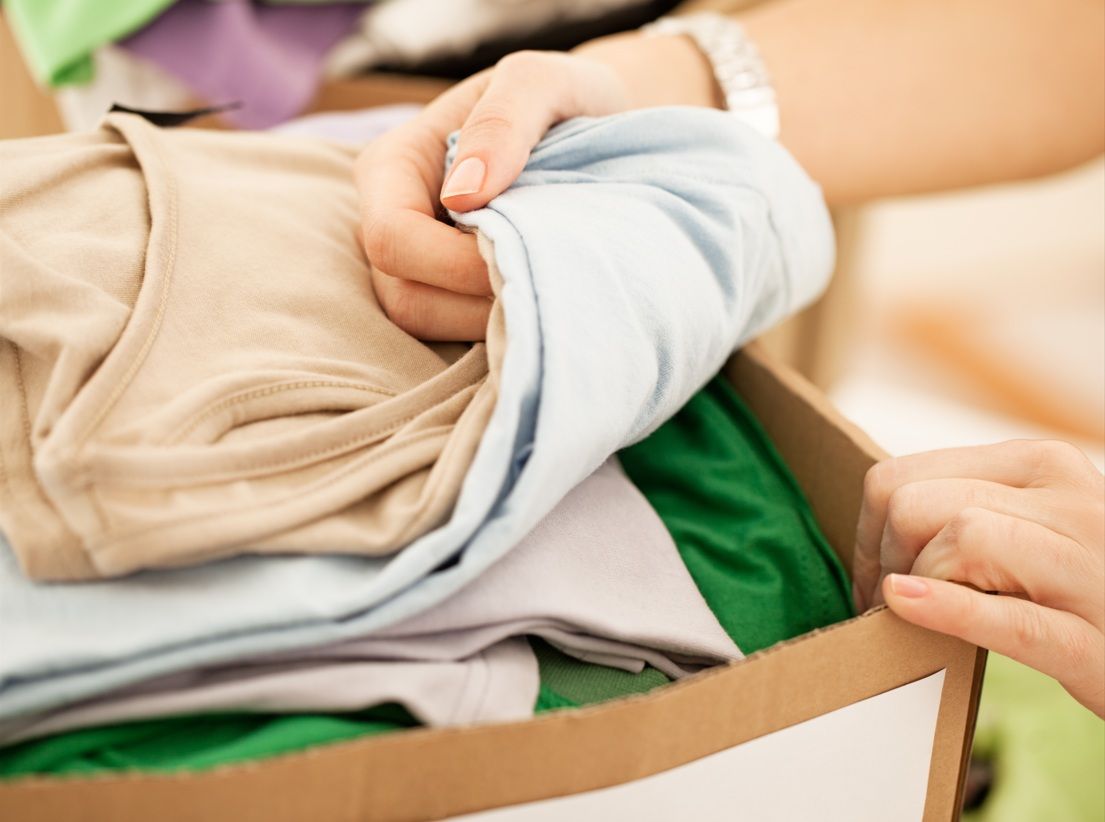
Finally, clothing that no longer fits—either too small or too large—poses an emotional challenge for many. Author Aloïs Guinut, in her book Why French Women Wear Vintage, addresses the psychological toll. 'The problem is that these items depress you on a daily basis,' she writes. Guinut suggests patience for temporary changes but urges acceptance of one's current body, recommending flattering alternatives instead.
This advice extends to oversized clothes, which similarly misalign with present realities. For those struggling to part with items, the article proposes a storage compromise: box them away out of sight and revisit after a year. If unworn, they can be donated guilt-free. Such strategies draw from Kondo's KonMari method, emphasizing joy-sparking possessions, and resonate in Canada's diverse climates where wardrobes fluctuate seasonally.
Beyond these categories, the piece underscores a broader cultural shift toward intentional living, influenced by figures like Kondo whose books have sold millions globally since 2014. In Canada, where Postmedia reports on lifestyle trends, this aligns with rising interest in sustainable practices—donating reduces waste and supports charities like Goodwill or local thrifts in cities such as Appleton, Wisconsin, wait no, focusing on Canadian contexts like Calgary's Habitat for Humanity ReStores.
Experts agree that decluttering yields mental health benefits, with studies from organizations like the American Psychological Association linking clutter to increased anxiety. However, the National Post cautions against rash decisions, advocating thoughtful evaluation: Do these items enhance life, or could the space serve better purposes, like a home office in the remote-work era?
Looking ahead, as winter progresses into spring, the momentum from new year resolutions could sustain decluttering efforts. Community events, such as Toronto's annual spring clean-ups or Vancouver's buy-nothing groups on social media, provide avenues for offloading items responsibly. Teeple and Aiello's insights suggest ongoing maintenance, perhaps quarterly reviews, to prevent rebound clutter.
In summary, while the four categories—gifts, gadgets, manuals, and ill-fitting clothes—offer immediate starting points, the key lies in balancing sentiment with practicality. As Guinut and Kondo illustrate through their works, embracing change fosters not just tidier homes but renewed appreciation for what truly matters in daily life.