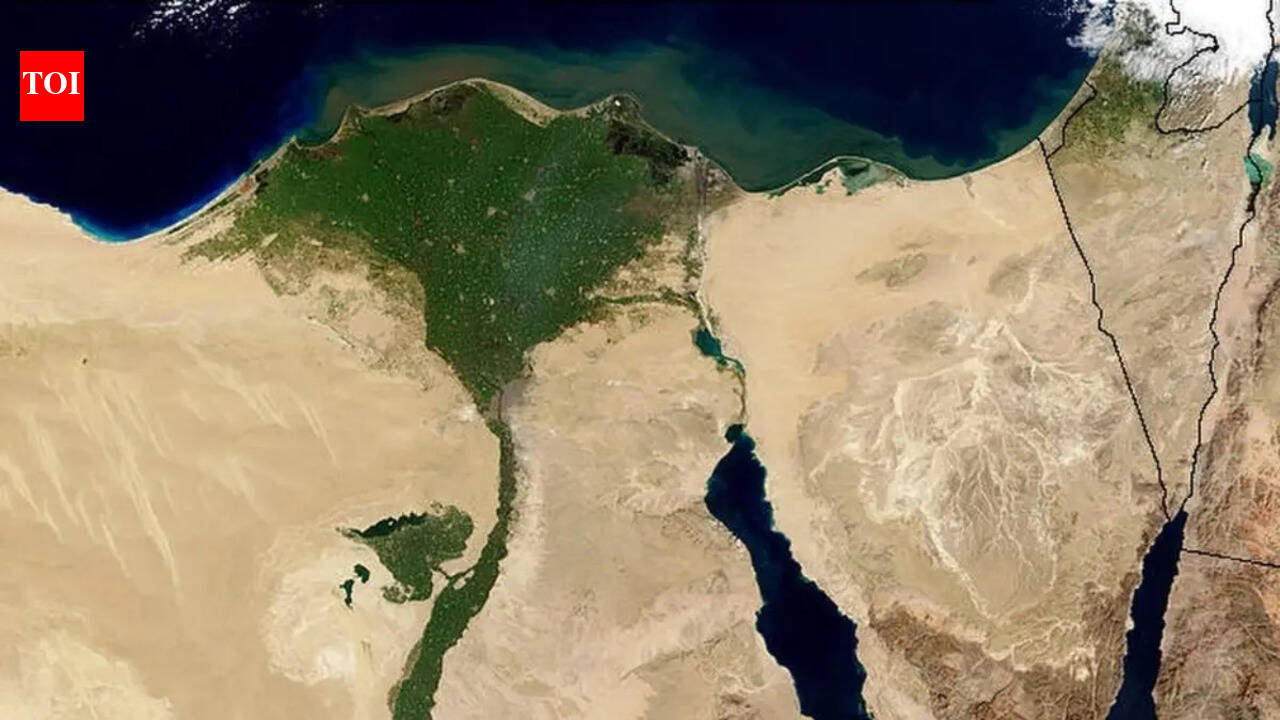
A new report from The Times of India has drawn attention to the world's largest river deltas, revealing that the iconic Nile Delta ranks well outside the top five in terms of size. According to the article published on timesofindia.indiatimes.com, the Nile Delta, long celebrated in history and geography, does not even crack the list of the five biggest formations created by sediment deposits at river mouths.
The piece from the TOI Science Desk outlines the top deltas based on area and ecological reach. It notes that the Ganges-Brahmaputra Delta in South Asia stands as the largest, spanning vast regions across Bangladesh and India. Experts cited in the report emphasize how sediment from the Ganges and Brahmaputra rivers has built up this massive expanse over thousands of years.
Following closely is the Mekong Delta in Vietnam, which supports millions of residents and serves as a critical agricultural hub. The report states that this delta covers approximately 40,000 square kilometers, providing fertile land for rice production that feeds a significant portion of Southeast Asia.
Third on the list is the Mississippi Delta in the United States, known for its role in shaping the Gulf Coast. Officials and researchers quoted in the coverage point to ongoing challenges with erosion and subsidence that threaten its stability, even as it remains one of the most studied deltas globally.
The Lena Delta in Russia and the Amazon Delta in Brazil round out the top five, according to the Times of India summary. The Lena Delta, located in Siberia, features a complex network of channels that expand dramatically during seasonal thaws. Meanwhile, the Amazon Delta benefits from the immense water volume of the Amazon River, creating a dynamic environment rich in biodiversity.
Scientists referenced in the article explain that delta size depends on factors like river discharge, sediment load, and coastal currents. "The Nile Delta, while historically vital to Egyptian civilization, has a much smaller modern footprint compared to these giants," one researcher noted in the coverage. This assessment challenges common perceptions shaped by ancient texts and tourism narratives.
Background details in the report highlight how climate change and human activity are altering these formations worldwide. For instance, upstream dams on the Nile have reduced sediment flow, leading to coastal retreat in Egypt. Similar pressures affect the Mekong, where development projects reportedly accelerate land loss.
Local perspectives vary across regions. In Bangladesh, communities reliant on the Ganges-Brahmaputra Delta express concerns about flooding and sea-level rise, as shared in related discussions tied to the article. In contrast, Vietnamese officials have focused on sustainable farming practices to preserve the Mekong's productivity.
The Times of India piece also touches on ecological significance, noting that these deltas host unique wildlife and support global fisheries. The Amazon Delta, in particular, plays a key role in carbon sequestration, according to environmental data referenced.
Further context comes from comparisons with smaller but famous deltas like the Nile. Historical records show the Nile Delta once extended farther, but natural and human influences have reshaped it over centuries. The report uses this to underscore why size rankings prioritize current measurable areas.
Readers interested in the full details can find the original article at the provided URL on timesofindia.indiatimes.com. The TOI Science Desk, described as a team focused on making scientific topics accessible, compiled the list to highlight lesser-known facts about Earth's geography.
As discussions around these deltas continue, researchers call for more monitoring to track changes. The article concludes by suggesting that public awareness of these natural wonders could aid conservation efforts in vulnerable areas.