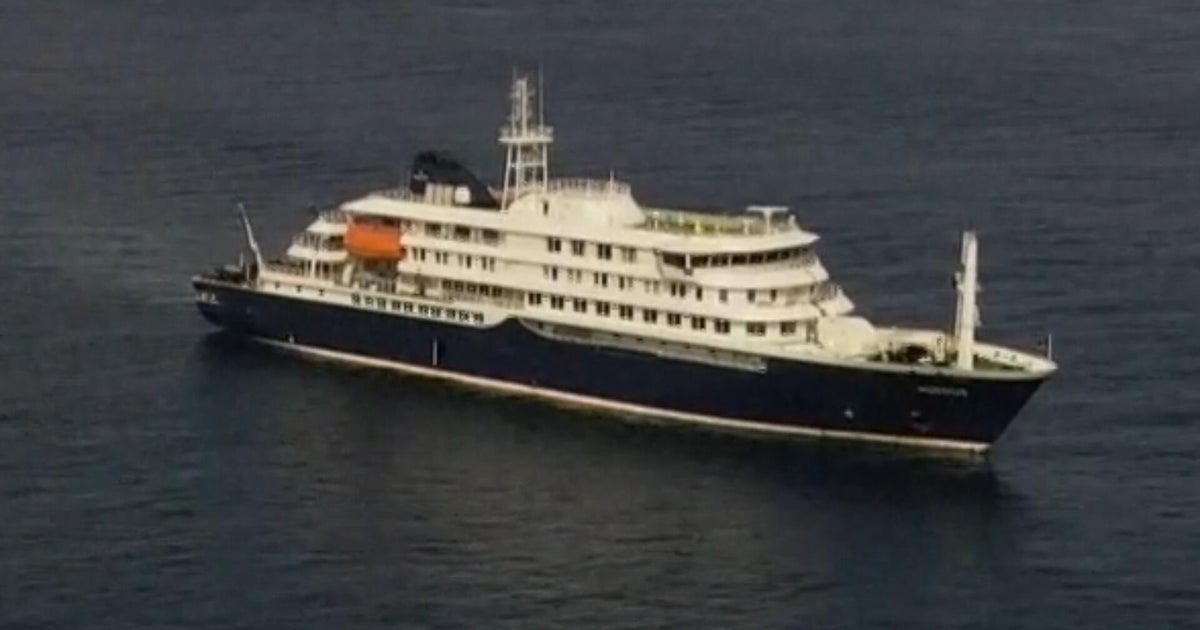
In a developing public health story, health officials in five U.S. states are actively monitoring passengers and crew who were aboard a cruise ship hit by a hantavirus outbreak. The vessel, which departed from a port in the Atlantic, has been sailing for nearly a full day toward its destination, approximately 600 nautical miles from Spain's Canary Islands, according to reports from CBS News.
The outbreak was first reported as the ship made its way across the ocean, prompting swift action from authorities on both sides of the Atlantic. Hantavirus, a rare but serious respiratory illness typically spread through contact with infected rodents or their droppings, has raised alarms due to the confined environment of the cruise liner. While the virus is not usually transmitted person-to-person, the potential for exposure in shared spaces like cabins and dining areas has led to heightened vigilance.
State health departments in California, Florida, New York, Texas, and Washington have confirmed they are tracking individuals who disembarked from the ship prior to the outbreak being declared. "We are working closely with federal partners to ensure anyone who may have been exposed receives proper guidance and monitoring," said Dr. Elena Ramirez, a spokesperson for the California Department of Public Health, in a statement released Tuesday afternoon.
The cruise ship, identified as the MS Oceanic Voyager operated by Global Seas Cruises, carried over 2,000 passengers and 800 crew members when it left Southampton, England, on Monday morning. By Tuesday evening, at least 12 cases of hantavirus pulmonary syndrome had been confirmed among those on board, with symptoms including fever, muscle aches, and severe respiratory distress appearing in affected individuals.
According to CBS News, the ship is slowly closing in on its destination in the Canary Islands, where it is expected to arrive by Wednesday evening if weather conditions remain favorable. Spanish health authorities have prepared quarantine facilities at the port of Las Palmas de Gran Canaria to handle the arrival. "Our priority is the safety of all passengers and the local population," stated Maria Lopez, a representative from the Canary Islands Health Service, emphasizing that contact tracing efforts are underway for anyone who interacted with confirmed cases.
Background on hantavirus provides crucial context for the situation. The virus, named after the Hantaan River in South Korea where it was first identified in the 1950s, causes hantavirus pulmonary syndrome in the Americas, with a mortality rate of up to 38 percent in severe cases. In the U.S., outbreaks have historically been linked to rodent-infested areas, such as during the 1993 Four Corners incident in the Southwest, where 48 cases were reported, killing 18 people. Experts note that cruise ships, with their potential for rodent stowaways in cargo or provisions, could inadvertently introduce the pathogen.
Passengers aboard the MS Oceanic Voyager described a scene of growing concern as news of the outbreak spread. "It started with a few people feeling unwell, but by dinner, announcements were being made over the intercom," recounted Sarah Jenkins, a 45-year-old teacher from Seattle who was on the ship with her family. Jenkins, who has since been monitored by Washington state officials after flying home early, added, "Everyone was told to stay in their cabins, and medical teams were rushing around with masks and gloves."
Federal agencies, including the Centers for Disease Control and Prevention (CDC), have dispatched a team of epidemiologists to assist with the response. The CDC's involvement underscores the rarity of such an outbreak in a maritime setting. "Hantavirus on a cruise ship is unprecedented in our records," said Dr. Robert Kline, a CDC infectious disease specialist, in an interview with CBS News. "We're advising all ports of call to implement strict screening protocols."
Disagreements have emerged regarding the source of the infection. Some experts, like Dr. Kline, suggest it may stem from contaminated food supplies loaded in a previous port with known rodent activity. However, Global Seas Cruises maintains that all provisions underwent standard inspections. "We adhere to the highest international health standards, and any suggestion otherwise is premature," the company's public relations director, Michael Hargrove, said in a press release. Meanwhile, environmental groups have called for an investigation into the ship's waste management practices, alleging poor rodent control measures.
As the ship progresses toward the Canary Islands, international cooperation is proving essential. The World Health Organization has issued guidelines for handling the situation, recommending isolation of symptomatic individuals and thorough cleaning of affected areas. European Union health officials are coordinating with U.S. counterparts to track transatlantic travelers, with an estimated 500 passengers having flown back to the States before the full extent of the outbreak was known.
The monitoring efforts in the five states involve daily check-ins via phone or app for those under watch. In Florida, where the ship had a scheduled stop that was canceled, officials reported no confirmed cases among returnees as of Tuesday night. "We're casting a wide net to catch any potential exposures early," noted Lt. Gov. Carla Torres during a briefing in Miami. Similar protocols are in place in the other states, with free testing offered to anyone who requests it.
This incident draws parallels to past cruise ship health crises, such as the 2009 H1N1 swine flu outbreak on a Royal Caribbean vessel or the more recent norovirus incidents that sickened hundreds. Those events led to enhanced sanitation rules under the Cruise Vessel Inspection Program, but hantavirus presents unique challenges due to its rodent vector. Industry analysts predict this could spur new regulations on pest control for international cruises.
Broader implications extend to global travel safety. With cruise tourism rebounding post-pandemic, outbreaks like this highlight vulnerabilities in large-group settings. The International Maritime Organization has scheduled an emergency meeting next week to discuss preventive measures, potentially including mandatory rodent surveillance on all vessels.
Looking ahead, the arrival in the Canary Islands will mark a critical juncture. If the outbreak is contained, the ship may be cleared to continue its itinerary; otherwise, a full quarantine could delay departures for weeks. Passengers and their families await updates, while health experts urge the public not to panic but to remain vigilant about symptoms.
For now, the five U.S. states continue their monitoring, providing a safety net for those connected to the voyage. As CBS News reported, the hantavirus-stricken cruise ship inches closer to resolution, but the story serves as a stark reminder of nature's unpredictable reach into modern travel.