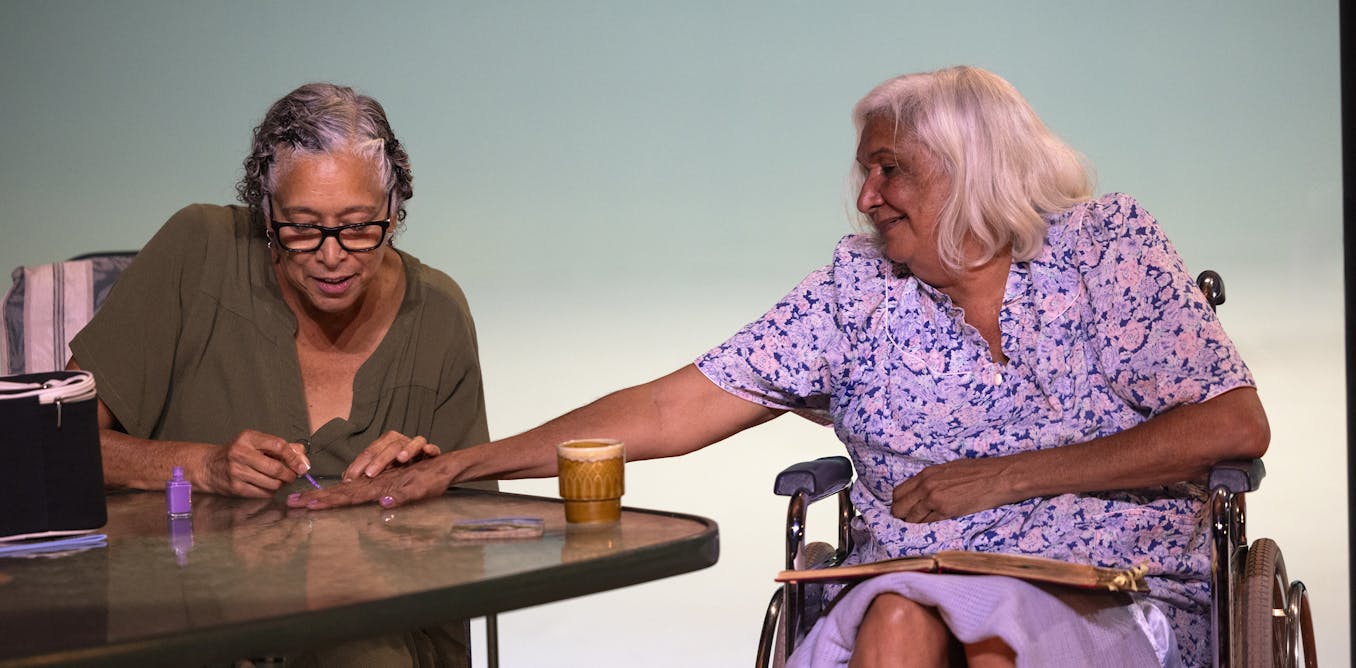
MELBOURNE, Australia — The Malthouse Theatre kicked off its 2026 season with the premiere of Black Light, a poignant new play written and directed by Larrakia artist Jada Alberts. Set on the porch of a family home on Larrakia land, the production brings together four generations of First Nations women navigating grief, motherhood, and the enduring connection to Country amid an unnamed national crisis. Running at the Merlyn Theatre on the unceded lands of the Kulin Nation until March 7, the play has already drawn praise for its intimate exploration of loss and resilience.
The story unfolds around a simple glass outdoor table, a symbol of familial gathering that resonates deeply with audiences. According to a review in The Conversation, the table evokes universal memories of home, much like the one described by the reviewer, a proud Dabee Wiradjuri person and theatre maker raised on cold Ngarigo Country in the alpine plains. "My table back home has held more cups of tea with my family than I can possibly count, summer storm watching, rain bird listening, laughter, tears and silence," the reviewer wrote, highlighting how Alberts' setting bridges personal and cultural divides.
At the heart of Black Light are four indelible characters portrayed by acclaimed First Nations actors: Trisha Morton-Thomas as Nan, Rachael Maza as Aunty, Lisa Maza as Mum, and Tahlee Fereday as Bub. The play depicts these women — spanning three generations — reuniting after Bub returns from the city following a relationship breakdown, children in tow. Nan's declining memory, Mum's constant work, and Aunty's loneliness as Nan's primary carer set the stage for raw confrontations and revelations.
The production subtly weaves in broader crises, including allusions to climate disasters marked by power outages, urban unrest, and fierce storms. These elements echo recent lockdowns in Australia and hint at potential future upheavals, creating a layered backdrop to the family's internal struggles. As the reviewer noted, "This is the first time in a long time they have all been together – and possibly the first time they have been forced to speak the unspeakable."
Trisha Morton-Thomas's performance as Nan stands out for its emotional depth, guiding the audience through moments of lucidity, liminality, and dreamlike sequences. "When she giggles, we giggle. When she cries, we weep," the Conversation review observed, praising how Morton-Thomas carries viewers between the surreal and the domestic in the play's non-linear structure. Nan's line, "This is magic and magic is love," encapsulates the production's theme of love as a transformative force.
The Maza sisters, Rachael and Lisa, mark a rare return to the stage together after 17 years, playing fictional sisters with palpable real-life synergy. Their banter — filled with sarcastic side-eyes and deathly glares — elicits laughter from the audience, providing comic relief amid the encroaching ecological and familial tensions. The reviewer described the moment they begin to bicker: "you can feel an energy spill across the audience: a collective strapping in."
Tahlee Fereday's portrayal of Bub captures the character's disorientation on the edge of crisis, embodying a search for home and belonging. Nan repeatedly urges, "Just reach out bub" — a metaphor for reconnecting with Country, which the play personifies as a silent yet powerful presence. Fereday, known for her vibrant off-stage personality, delivers a grounded and authentic performance, culminating in a vulnerable final monologue that left audiences moved.
Jada Alberts, a Larrakia mother and multidisciplinary artist, infuses the play with personal elements drawn from her own experiences of motherhood and the women who shaped her. In her writer's and director's note, shared before the opening night on the unceded lands of the Kulin Nation, Alberts honors her grandmothers and invites audiences to reflect on their humanity. "I hope her words remind you of your own humanity, your interconnectedness, to every living thing and the Country that holds you," Alberts wrote, repeating the sentiment to emphasize its importance.
The premiere drew a bubbling crowd to the Merlyn Theatre, where the outdoor table setting immediately connected with viewers' own family memories. The reviewer, reflecting on faint childhood visits to Larrakia Country — with its glowing skies, crocodiles, and giant mystical trees — pondered how many in the auditorium recognized their version of such a table. This intergenerational gathering, both on stage and in the audience, underscores the play's exploration of lineage and shared histories.
Black Light emerges at a time when Australian theatre is increasingly centering First Nations voices, building on works like Alberts' previous productions that address colonial legacies and cultural survival. Malthouse Theatre, a key venue for contemporary Australian drama since its founding in 1976, has a history of programming innovative pieces that challenge societal norms. By opening the 2026 season with this work, the theatre signals a continued commitment to stories rooted in Indigenous perspectives.
Audience reactions have been overwhelmingly emotional, with the reviewer admitting to crying before, during, and after the performance. The tears came first from reading Alberts' note, then amid the laughs and poetic reclamations of grief, trauma, love, loss, and survival within the colonial project. "Country speaks loudly: no words, but we heard her," the review stated, capturing the play's evocative power.
Post-show, the production prompted personal reflections, such as the reviewer's thoughts on their own grandmother turning 90 this year — a staunch matriarch whose love and magic echo Nan's character. "So much of her is in me, her love, her magic (which Nan says is the same thing)," the reviewer shared, illustrating how Black Light fosters connections beyond the theatre walls.
As the play continues its run through March 7, it offers Melbourne theatregoers a chance to engage with themes of interconnectedness and resilience. Tickets are available through the Malthouse Theatre website, with performances scheduled in the intimate Merlyn Theatre space. Alberts' work, praised for its brave truth-telling, is expected to resonate long after the final curtain, much like the enduring tables of family memory.
The production's focus on matriarchal strength and environmental undertones aligns with ongoing national conversations about climate justice and Indigenous rights in Australia. While some critics might note the play's allusions to current events like recent bushfires or pandemic restrictions, Alberts keeps the crisis unnamed, allowing for universal interpretation. No conflicting reports on the production's reception have surfaced, with early buzz centering on its emotional impact.
Looking ahead, Black Light could tour beyond Melbourne, following in the footsteps of other Malthouse successes that have reached international stages. For now, it stands as a testament to the power of First Nations storytelling, inviting audiences to listen — and reach out — to the Country that holds us all.