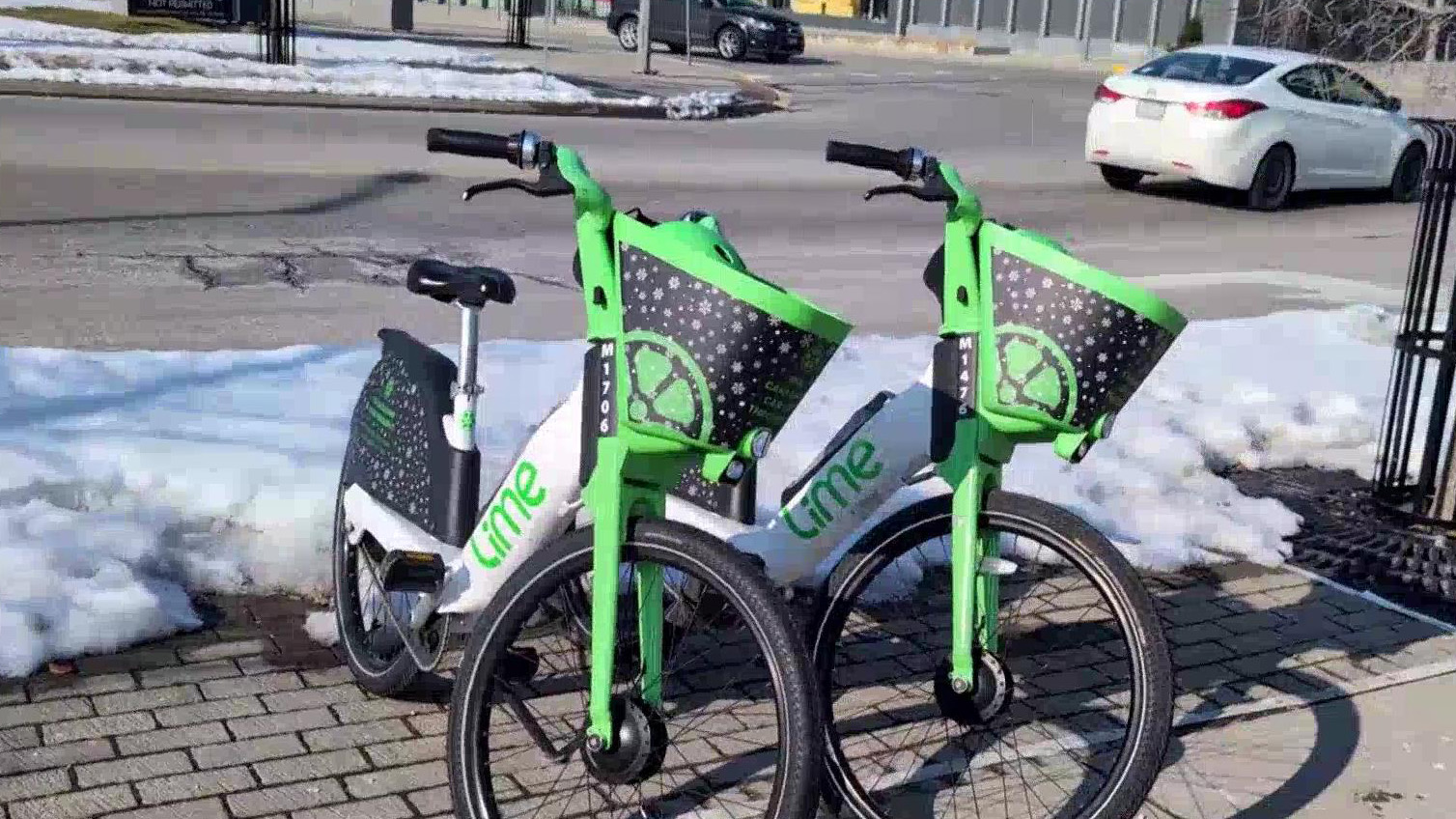
Mississauga, Ontario – The growing popularity of electric scooters and e-bikes in urban areas has reignited debates over safety and regulation, with Mississauga councillors calling on the provincial government to step in and treat these devices more like traditional motorized vehicles. On Wednesday, February 27, 2026, Coun. Dipika Damerla introduced a motion urging the Ford government to establish a regulatory framework, including licensing and registration requirements, for e-scooters and e-bikes. The proposal highlights ongoing concerns about these 'silent menaces' weaving through sidewalks, bike lanes, and roads in the Greater Toronto Area (GTA).
Damerla, who emphasized her support for e-mobility as a sustainable transport option, expressed frustration over the lack of oversight. “It’s really the wild west when it comes to bikes and scooters, and it’s time we started looking at a regulatory framework,” she said during the council meeting. Her motion received backing from just one other councillor, but Damerla views it as a catalyst for broader discussion on how to balance innovation with public safety in a city where these devices are increasingly common.
The debate in Mississauga mirrors similar conversations that have unfolded across Ontario for years, especially in densely populated centers like Toronto. E-bikes and e-scooters have surged in use, offering convenient alternatives to cars amid rising traffic congestion and environmental pressures. However, reports of accidents, near-misses, and violations – such as riding on prohibited sidewalks – have prompted calls for stricter rules. In Toronto, for instance, municipal bylaws already restrict e-scooters to certain areas, but enforcement remains challenging.
Coun. Stephen Dasko acknowledged the need for provincial involvement but cautioned that Mississauga must first clarify its requests. “If her ask is going to the province and asking them to let us regulate e-bikes and scooters, we need to know what we’re asking for, because if they say yes, and then ask us what we want that licensing to look like, we don’t have the background work done to answer those questions,” Dasko said. He suggested the city conduct further studies to define specifics, such as speed limits or designated lanes, before pushing for changes at higher levels of government.
Other councillors offered varied perspectives on the issue. Coun. Alvin Tedjo opposed immediate barriers that could limit access to devices with built-in restrictions, like those in municipally operated rental networks. Yet, he highlighted the dangers posed by unregulated models. “What the government needs to do, and this is both the federal government and the provincial government, who can create new regulations and new definitions – they need to define those vehicles as motor vehicles, like a motorcycle or something like that,” Tedjo stated. He pointed out that some e-bikes and scooters can reach speeds of 50 to 60 kilometers per hour, far exceeding the capabilities of standard bicycles and posing risks to pedestrians and other road users.
The conversation also touched on accessibility concerns, particularly for vulnerable groups. David Lepofsky, a prominent disability rights advocate, voiced strong support for increased provincial regulation. “They come at you out of nowhere, sighted people may not see them coming, blind people and sighted people can’t hear them coming because they are a silent menace, they race at all sorts of speeds, they’re ridden on the sidewalks, even when it’s prohibited, and law enforcement is asleep,” Lepofsky said. His comments underscore worries from advocacy groups about the invisibility and unpredictability of these quiet electric vehicles, which lack the audible cues of gas-powered alternatives.
Despite the push for regulation, no councillor interviewed advocated for an outright ban on e-bikes or e-scooters. CityNews reported that officials recognize their appeal, especially among younger demographics navigating busy urban environments. In Mississauga, a suburb of about 800,000 residents, these devices have become a fixture for commuting and recreation, with rental programs expanding in recent years. The city's bike lanes and waterfront paths see heavy use, but incidents involving e-vehicles have risen, according to local police data from 2025, which noted a 25% increase in related collisions.
Background on Ontario's approach reveals a patchwork of rules. Currently, e-bikes are classified under the Highway Traffic Act as power-assisted bicycles if they meet certain criteria – motors under 500 watts, top speeds of 32 km/h on level ground, and pedal-assist operation. E-scooters, however, fall into a grayer area, often treated as non-motorized if not exceeding basic thresholds, though many consumer models do. Municipalities like Mississauga can impose local bylaws, but broader licensing would require provincial amendments, a process that has stalled amid competing priorities like housing and transit funding.
Damerla's motion comes at a time when similar pleas have echoed from other GTA cities. In Brampton and Oakville, councils have debated pilot programs for e-scooter sharing, only to grapple with enforcement issues. Toronto's 2024 experiment with docked e-scooters ended amid safety complaints, leading to a reevaluation of urban mobility policies. Experts say the Ford government's reluctance to overhaul vehicle classifications stems from industry lobbying and the economic benefits of green tech, but pressure is mounting as accident statistics climb.
Lepofsky's advocacy adds a human element to the technical debate. As chair of the Ontario Human Rights Commission's accessibility advisory, he has long campaigned for better protections for the visually impaired. His reference to law enforcement being 'asleep' points to underreporting and lax ticketing; Mississauga police issued only 150 fines for e-vehicle violations in 2025, despite thousands of devices in circulation. Disability groups argue that without mandatory bells, lights, or speed governors, these vehicles exacerbate inequalities on shared spaces.
Looking ahead, Dasko indicated that Mississauga's transportation committee will review data from recent surveys, which show 60% of residents favoring more rules without curbing availability. Tedjo suggested collaboration with federal regulators on national standards, potentially aligning Canada with European models where e-vehicles require insurance in urban zones. The province has yet to respond to Damerla's motion, but with spring approaching and warmer weather likely to boost e-mobility, the issue could gain urgency.
The broader implications extend beyond Mississauga. As Ontario aims for net-zero emissions by 2050, e-bikes and scooters are seen as key to reducing car dependency, with sales projected to double by 2030 according to industry reports. Yet, without unified regulations, cities risk fragmented approaches that confuse users and hinder safety. Advocates like Lepofsky warn that ignoring the 'silent menace' could lead to tragedies, while councillors like Damerla push for a framework that fosters growth without chaos.
In the end, Wednesday's council session may not have yielded immediate action, but it has amplified voices calling for change. As e-mobility evolves, Mississauga – and the GTA at large – stands at a crossroads, weighing convenience against caution in an increasingly electrified urban landscape.