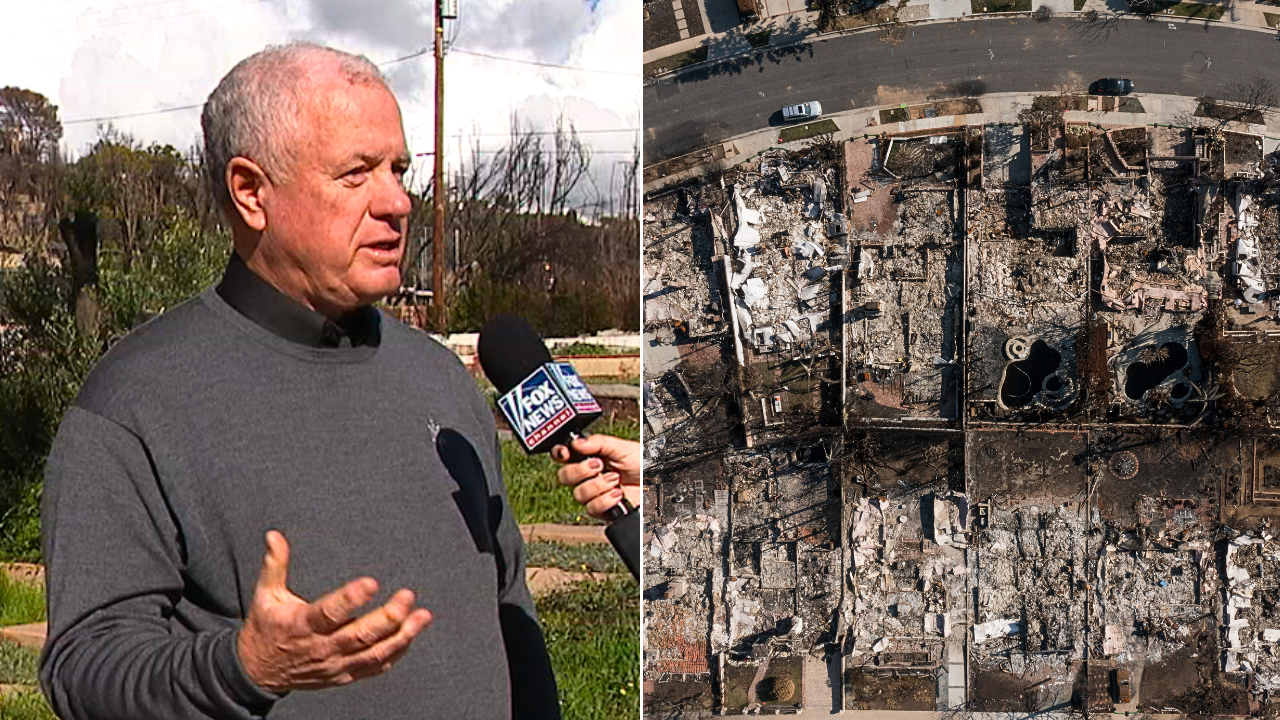
One year after the devastating Palisades Fire tore through the coastal enclave of Pacific Palisades in Los Angeles, residents like Jimmy Dunne are piecing together lives amid the rubble. The blaze, which erupted on January 7, 2025, amid powerful windstorms, scorched more than 23,000 acres and destroyed roughly 6,800 structures, according to Cal Fire. It claimed 12 lives and left a once-vibrant neighborhood scarred, with churches, schools, grocery stores, and restaurants reduced to ashes. Dunne, a 70-year-old resident who has called the area home for 40 years, recently returned to his miraculously intact house after a temporary relocation to Marina del Rey.
"It isn’t a ghost town," Dunne told Fox News Digital, emphasizing that the spirit of the community endures despite the physical devastation. Aerial images from the time show blocks of charred and leveled homes, punctuated by a few holdout structures that survived the inferno. Dunne's return three weeks ago marks a small victory in a slow recovery, but he acknowledges the profound changes. "The town is the hearts of the people that are in this place," he said, underscoring that the fire could not burn away the human connections that define Pacific Palisades.
The fire's rapid spread was fueled by fierce winds, turning what began as a manageable incident into a catastrophe. Reports indicate that Los Angeles firefighters were ordered to leave the area days before the blaze exploded, according to a separate Fox News article on the incident. Dunne recounted the fateful day, when residents assumed help was on the way. "The assumption was we can leave because Daddy is going to save us. The fireman is going to come and put out the fires, and we're going to be taken care of," he said. But as flames engulfed buildings along Sunset Boulevard, that protection never materialized, leading to what Dunne described as a deep sense of betrayal.
Firefighters battled the blaze for 24 days before fully containing it, with images capturing them amid the windstorm on the west side of Los Angeles. Dunne witnessed fires raging across the neighborhood that he believes could have been easily extinguished had resources been available. "So many buildings, so many schools, churches. Methodist, the first building that was in the town burned to the ground," he explained. "So many homes around town were burnt the second and third day. That's unforgivable." The absence of fire trucks during critical moments amplified the destruction, leaving residents to question the city's and state's response.
Today, about 6,000 people have returned to Pacific Palisades, though their lives are more scattered than before, Dunne reported. Real estate activity signals some rebound: Thirty-five land parcels are selling each month, according to Anthony Marguleas of Amalfi Estates. "Sales are now consistently exceeding new listings, pushing sell-through above equilibrium and tightening inventory," Marguleas said in a report. This uptick in transactions suggests investors and former residents are eyeing rebuilding opportunities, even as corporations and investors have been noted to swoop in on wildfire victims' properties, per related coverage.
Yet economic recovery does little to heal the emotional wounds. The fire erased not just homes but the connective tissue of community life. "It's not just losing their homes… it's losing belonging, belonging to their church communities, and their kids' schools and belonging to the local clubs," Dunne told Fox News Digital. With key institutions destroyed, the once-tight-knit neighborhood lacks its vibrant sense of togetherness. "All those things that create belonging in the town, most of them aren't back yet," he added. "That's what people miss."
For Dunne's family, the losses run deep. His daughter, Kaitlyn Little, saw her home burn to the ground, displacing her husband and their then two-year-old child. "Everything she ever had in her life, every diary, everything, every ring… everything was gone," Dunne said. "Her life has been erased in terms of anything materialistically that she ever had. That's really hard." The irreplaceable items—photos, family memorabilia, diaries—represent chunks of personal history reduced to ash, a grief that parallels the mourning of a loved one.
"Almost like a death of someone in your life, they are finding with the death of their home… it’s the little-by-little things that you keep realizing are gone," Dunne reflected. This ongoing realization compounds the trauma for survivors in Pacific Palisades and nearby areas like Altadena, where similar devastation occurred. The one-year anniversary has stirred a mix of grief and resolve, prompting questions about accountability and future preparedness.
Dunne's account highlights broader challenges faced by California wildfire victims. A benefit concert dubbed FireAid raised $100 million, but attendees and participants have been left wondering where the funds went, according to Fox News reporting. Meanwhile, the uphill battle against opportunistic buyers persists, as corporations eye undervalued land in the aftermath. These elements paint a picture of a community fighting not just flames but systemic hurdles in recovery.
Reflecting on the anniversary, Dunne grapples with lingering bitterness. "How does everybody deal with this grief and this bitterness about how the city and how the state behaved?" he asked. "How do we keep the values, and the personality and the heartbeat of this town? How do we save that?" Despite the pain, he remains optimistic about the neighborhood's resilience, vowing that Pacific Palisades will roar back.
"Home is defined by who's in it with you, who's in the soup," Dunne said, referring to the neighbors who form the core of community. "And that's your neighbors. The wonderful thing is the Palisades is coming back. It's going to roar back." He envisions a re-blossoming, perhaps even more wonderful than before, though it will take time. The magical coastal suburb, perched on the edge of the Pacific, has weathered this trial, and its people are determined to rebuild not just structures but the essence of what made it special.
As Los Angeles continues to confront its wildfire vulnerabilities—exacerbated by climate change, dry conditions, and urban sprawl—the Palisades Fire serves as a stark reminder. Officials have not publicly responded to Dunne's criticisms in the available reports, but the incident has fueled discussions on emergency response reforms. For now, residents like Dunne focus on the incremental steps forward, from returning home to fostering new connections in a changed landscape.
The path ahead involves not only physical reconstruction but emotional healing. With sales picking up and people trickling back, signs of life are emerging amid the ashes. Yet the scars—both visible and invisible—will shape Pacific Palisades for years to come, a testament to both loss and enduring human spirit.