Canberra, Australia — Prime Minister Anthony Albanese has firmly rejected a proposal from his own Special Minister of State, Don Farrell, to expand the size of Australia's federal parliament, putting an end to what could have been a significant overhaul of the nation's legislative structure.
The decision came during heated exchanges in parliament, where Opposition Leader Angus Taylor pressed Albanese to rule out any increase in the number of seats. Albanese responded bluntly, stating he was satisfied with the current configuration of 150 members in the House of Representatives and 12 senators from each state. "I have been very privileged to have the best campaign director I have ever seen, Paul Erickson," Albanese told the house. "If I was to say to him ‘we have 94 seats but how about we throw it all up in the air and see how it lands?’ I reckon Paul Erickson would have a pretty clear response."
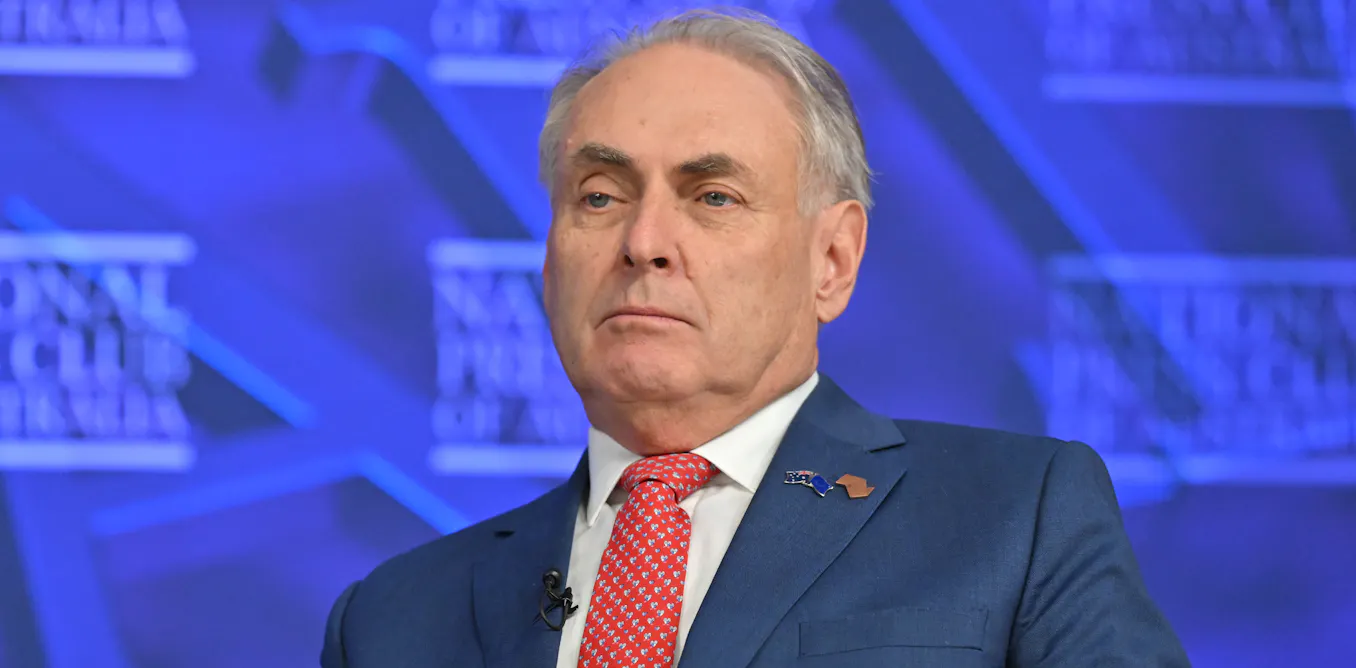
Farrell, a senior figure in the Labor government, had earlier advocated for a review of parliamentary representation. He directed the Joint Standing Committee on Electoral Matters (JSCEM) to inquire into the possibility of expanding the parliament, arguing that the current setup no longer reflects Australia's population growth. Speaking at the National Press Club in Canberra on Monday, Farrell pointed out that the last expansion occurred in 1984 under the Hawke Labor government, when the population was roughly half of what it is today.
"Roughly every 40 years there’s been a re-evaluation of representation," Farrell said. "Increasing the size of parliament is what great Labor leaders do." He referenced a previous expansion in the 1940s under Prime Minister Ben Chifley, suggesting a pattern of periodic adjustments to ensure adequate representation as the nation grows.
The opposition quickly pounced on Farrell's comments, framing the push as an unnecessary expense amid economic pressures. Taylor and Nationals Leader Matt Canavan issued a joint statement on Tuesday, followed by a news conference, vowing that the Coalition would block any such expansion. They cited analysis from the Parliamentary Budget Office estimating costs exceeding $620 million over eight years, covering salaries, staff, travel, and office expenses for additional members.
"At a time when Australian families are tightening their belts, the last thing they should be asked to fund is more politicians," Taylor declared. Canavan echoed the sentiment, emphasizing the struggles in regional Australia. "People in regional Australia were doing it tough and did not want more politicians in Canberra," he said.
A spokesperson for Farrell pushed back against the opposition's criticism, noting that the minister was simply awaiting the JSCEM's findings and would not pre-empt its work. "The only party fixated on this enough to have done costings is the Coalition," the spokesperson said. They added that the government remains focused on pressing issues like fuel security and cost-of-living relief, dismissing the debate as an internal Coalition distraction. "This is clearly not about the policy or issues; it’s about the internal audition for attention in the Coalition."
The debate over parliamentary size is not new in Australian politics. The House of Representatives has remained at 150 seats since the 1984 expansion, despite the population surging from about 15 million in the 1980s to over 26 million today. Proponents of enlargement argue it would better align representation with demographic shifts, potentially allowing for more diverse voices, including from growing urban centers and multicultural communities.
Critics, however, warn of the fiscal burden and potential for gridlock. The $620 million figure from the Parliamentary Budget Office breaks down to include not just member salaries—around $220,000 annually each—but also support staff, electorate offices, and travel allowances. In a federation like Australia, where senators represent states equally regardless of population, any House expansion would need to navigate constitutional hurdles and bipartisan support to pass.
Albanese's rejection appears to close the door on the idea for now, at least under the current Labor administration. The prime minister's comments in parliament underscored his preference for stability, especially as the government navigates a tight legislative agenda ahead of the next federal election, expected by May 2025. Political observers note that electoral redistributions, which adjust boundaries but not seat numbers, are already underway in several states, providing some relief without the need for expansion.
Farrell's initiative drew from broader discussions on democratic representation. In recent years, inquiries into electoral matters have touched on issues like compulsory voting, donation transparency, and misinformation, but parliamentary size has simmered in the background. The 1984 increase under Bob Hawke added 25 seats to the House, responding to post-war population booms and urbanization. Similarly, Chifley's 1940s adjustments followed World War II recovery efforts.
Opposition figures like Taylor have used the issue to highlight perceived Labor extravagance. In their Tuesday statement, the Coalition accused the government of prioritizing political maneuvering over economic relief. Yet, Farrell's team countered that such costings are premature, as the JSCEM inquiry—expected to report back in the coming months—will weigh evidence from experts, stakeholders, and the public.
The inquiry itself, established under parliamentary rules, includes members from both major parties and independents. It has previously recommended changes like four-year Senate terms, though those stalled. On expansion, submissions could come from constitutional lawyers, demographers, and advocacy groups like the Australian Electoral Commission, which has noted strains on administrative resources with growing voter rolls.
Broader implications of the rejected push ripple through Australian democracy. A larger parliament might dilute individual member influence but enhance policy scrutiny, similar to expansions in the U.S. Congress or Canada's House of Commons. In Australia, where the upper house's equal state representation already balances population disparities, House growth could address overrepresentation of smaller states.
Still, public sentiment leans against more politicians, polls suggest. A recent survey by the Australia Institute found 60% of respondents opposed expansion, citing costs over benefits. As the government shifts focus to budget measures in the May 2024 federal budget, the parliament size debate may fade, though it could resurface if Labor's majority erodes or if crossbench independents gain ground.
Looking ahead, the JSCEM's work continues independently of Albanese's stance. Farrell has indicated he will review its recommendations, but without prime ministerial backing, legislative action seems unlikely. For now, the status quo holds, with 150 House members and 76 senators shaping the laws of a nation of 26 million.
In the end, this episode highlights tensions within Labor between reformist impulses and pragmatic governance. As Taylor and Canavan rally against 'more politicians,' Farrell's vision of periodic renewal evokes Labor's historical role in modernizing institutions. Whether the idea revives post-inquiry remains to be seen, but Albanese's firm no has steadied the ship for the foreseeable future.