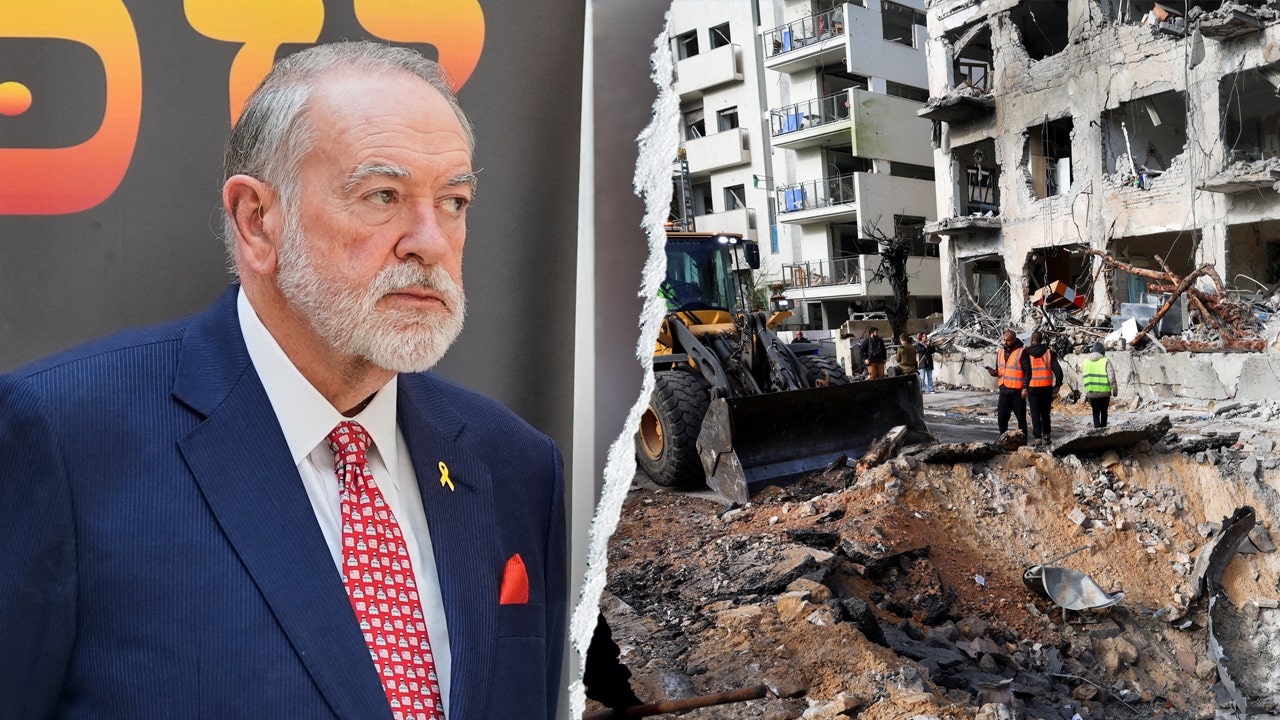
In the midst of escalating tensions in the Middle East, where recent missile strikes between Iran, Israel, and the United States have heightened fears for American citizens in the region, U.S. Ambassador to Israel Mike Huckabee has outlined what he calls the 'best option' for those seeking to leave the country. Speaking on Sunday, March 1, 2026, amid reports of Iranian missile barrages on Israeli cities like Tel Aviv, Huckabee emphasized limited evacuation routes as Ben Gurion Airport remains closed indefinitely. The ambassador's guidance comes as the U.S. Embassy in Jerusalem issues stark warnings about the dangers of departure, underscoring the chaotic situation unfolding across the region.
The conflict intensified over the weekend when Iran launched a series of missile attacks on Israel on Saturday, February 28, 2026, in retaliation for strikes by the U.S. and Israel on Iranian targets. Images from Tel Aviv showed residents taking shelter as sirens wailed, with firefighters battling blazes sparked by the impacts on residential buildings. One such strike hit a building in the city, captured in photographs alongside Huckabee at the scene, highlighting the immediate threats to civilians. Israeli Prime Minister Benjamin Netanyahu has insisted that these actions will not lead to an 'endless war,' but the ongoing exchanges have left Americans in Israel scrambling for safe passage home.
Huckabee, addressing the surge in evacuation requests from U.S. citizens and their families, detailed the challenges on the social media platform X. 'We are getting a lot of requests regarding evacuating from Israel from American citizens who are currently in Israel or who have family here,' he wrote overnight. He noted that options are 'very limited,' with the primary airport in Tel Aviv, Ben Gurion, uncertain to reopen soon. Even if it does, Huckabee warned, flights would be 'VERY limited' and prioritized for those with existing tickets on El Al, Israel's national carrier. He expressed doubt that other airlines would resume operations in the near term.
According to Huckabee, the most viable route currently involves shuttle buses operated by Israel's Ministry of Tourism, heading to the Taba border crossing into Egypt. 'As of now, the best is utilizing Israel's Ministry of Tourism shuttle bus to Taba, Egypt and getting flights from there or going on to Cairo for flights back to the U.S.,' the ambassador stated. He described the Taba crossing as farther away but operational around the clock, unlike other borders. From Taba, limited flights are available, or travelers can proceed to Cairo, where the airport is functioning normally except for routes to other Middle Eastern destinations.
'The Ministry of Tourism is operating buses to Taba. That crossing is further away, but it’s open 24/7. There are some flights from Taba, but there are also options to get to Cairo, and it’s operating normally except to Middle Eastern countries. To get out, it’s the best option for now,' Huckabee added in his post.
The ambassador explicitly advised against using the Jordanian route at this time. He pointed out that flights from Jordan are inconsistent and that access across the Allenby Bridge crossing is restricted to limited hours. This recommendation contrasts with earlier assumptions some Americans might have held about alternative land borders, but Huckabee's assessment prioritizes reliability amid the instability.
Even U.S. Embassy personnel are not departing, with Huckabee noting that 'all of our personnel from [the] embassy are sheltering in place.' He acknowledged the practical concerns for citizens, however, saying, 'I realize you may need to get people out and back home and not continue to incur hotel costs.' This personal touch in his communication reflects the bind many Americans find themselves in, balancing safety with financial strain during an unpredictable crisis.
The U.S. Embassy in Jerusalem reinforced Huckabee's advice in a statement released early Tuesday morning, March 3, 2026, clarifying its limited role in the evacuation process. The embassy said it is 'not in a position at this time to evacuate or directly assist Americans in departing Israel.' Instead, it directed individuals to the Israeli Ministry of Tourism's shuttle services to Taba, providing a registration form for those wishing to be added to the passenger list.
However, the embassy issued a strong caveat about the risks involved. 'The U.S. Embassy cannot make any recommendation (for or against) the Ministry of Tourism’s shuttle. If you choose to avail yourself of this option to depart, the U.S. government cannot guarantee your safety,' the statement read. This disclaimer highlights the embassy's hands-off approach, leaving decisions to individuals while underscoring the perils of travel through conflict zones.
Background on the broader conflict provides context for the urgency of these measures. The U.S. and Israel conducted strikes on Iran on Saturday, February 28, prompting the Iranian response that lit up skies over Tel Aviv the following day. Reports from the scene described emergency personnel rushing to aid victims, with one firefighter working to extinguish a fire in the city after the missile impacts. Netanyahu's comments, insisting the strikes won't spiral into prolonged warfare, aim to reassure allies, but the reality on the ground tells a different story for those caught in the crossfire.
Fox News correspondent Nate Foy, reporting on 'Fox News @ Night,' covered these developments, noting the continued attacks among Iran, Israel, and the U.S. His segment captured the fluid nature of the situation, where diplomatic assurances clash with the immediate needs of evacuees. For Americans in Israel, the closure of Ben Gurion Airport—Israel's main international gateway—has stranded thousands, with hotel bookings piling up and families separated by the violence.
While Huckabee's guidance focuses on Taba as the top choice, some reports suggest informal networks are forming among expatriates to share rides or information on other crossings. However, official channels remain the emphasized path, with the embassy urging registration through the Ministry of Tourism to avoid unregulated risks. The 24/7 operation of the Taba border offers a sliver of consistency in an otherwise disrupted landscape, but travelers must still navigate potential delays or security checks en route to Egypt.
Looking ahead, the reopening of Ben Gurion Airport looms as a potential turning point, though Huckabee's skepticism about swift normalization persists. El Al's prioritization of ticketed passengers could leave many in limbo, favoring those with pre-booked plans over spontaneous evacuees. Meanwhile, Cairo's airport serves as a critical hub for onward travel to the U.S., with flights reportedly available despite regional restrictions.
The implications of this crisis extend beyond immediate evacuations, raising questions about U.S. policy in the Middle East and the safety of diplomatic outposts. With embassy staff sheltering in place, the focus shifts to supporting citizens remotely, a strategy that tests the limits of American influence amid allied conflicts. As Netanyahu pushes back against fears of escalation, the human cost—evident in the shelters of Tel Aviv and the pleas from Americans abroad—demands swift resolution.
For now, those heeding Huckabee's advice must weigh the embassy's warnings against the desire to return home. The shuttle to Taba represents a fragile lifeline, operational but unendorsed, in a region where every border crossing carries uncertainty. As the sun rises on another day of unrest, American families monitor updates, hoping for clearer skies and safer paths forward.