KUWAIT CITY — A Kuwaiti-American journalist detained for more than seven weeks under the country's strict security and misinformation laws has been acquitted on all charges, his family announced Thursday. Ahmed Shihab-Eldin, known for his reporting with major outlets including The New York Times, HuffPost, BBC, Al Jazeera, and Vice News, was arrested on March 3 while visiting family in Kuwait. The 52-day detention drew international concern over press freedoms amid heightened regional tensions.
Shihab-Eldin's family confirmed the acquittal but offered no further details, stating they would withhold additional comment until more information emerges. He is expected to be released immediately, according to a spokesperson. The case highlighted Kuwait's recent crackdown on expression, particularly in the context of the ongoing conflict in the region, where authorities have warned against sharing information about military activities.
The Committee to Protect Journalists (CPJ) welcomed the news in a statement from CEO Jodie Ginsberg. "We are relieved that Ahmed Shihab-Eldin has been found innocent after 52 days in detention," Ginsberg said. She added, "Ahmed’s freedom and safety remain our topmost priority and we will continue to closely monitor his case." The CPJ, which has campaigned for Shihab-Eldin's release, described the charges against him as "vague and overly broad accusations that are routinely used to silence independent journalists."
Shihab-Eldin was detained shortly after posting a video online showing a U.S. fighter jet crash near a U.S. base in Kuwait. The footage, shared on March 2, captured the incident amid reports of escalating conflict in the area. That same day, Kuwait's Ministry of Interior issued a public warning prohibiting photographs or information related to missiles or sensitive locations, signaling a broader clampdown on media activity.
The charges leveled against Shihab-Eldin included spreading false information, harming national security, and misusing his mobile phone. These stem from Kuwait's new security laws, enacted in response to the war, which the CPJ and human rights groups have criticized for their potential to stifle dissent. On March 2, Kuwait issued a decree that could impose up to 10 years in prison for anyone who undermines "the prestige of the military or deliberately works toward eroding public trust in them," according to the Kuwait Times.
Khalid Ibrahim, executive director of the Gulf Centre for Human Rights, told the CPJ that dozens of individuals have been arrested in Kuwait since the war began, many in cases tied to freedom of expression. "Dozens have been arrested since the war began in cases related to freedom of expression," Ibrahim said, underscoring the chilling effect on journalists and activists in the Gulf state.
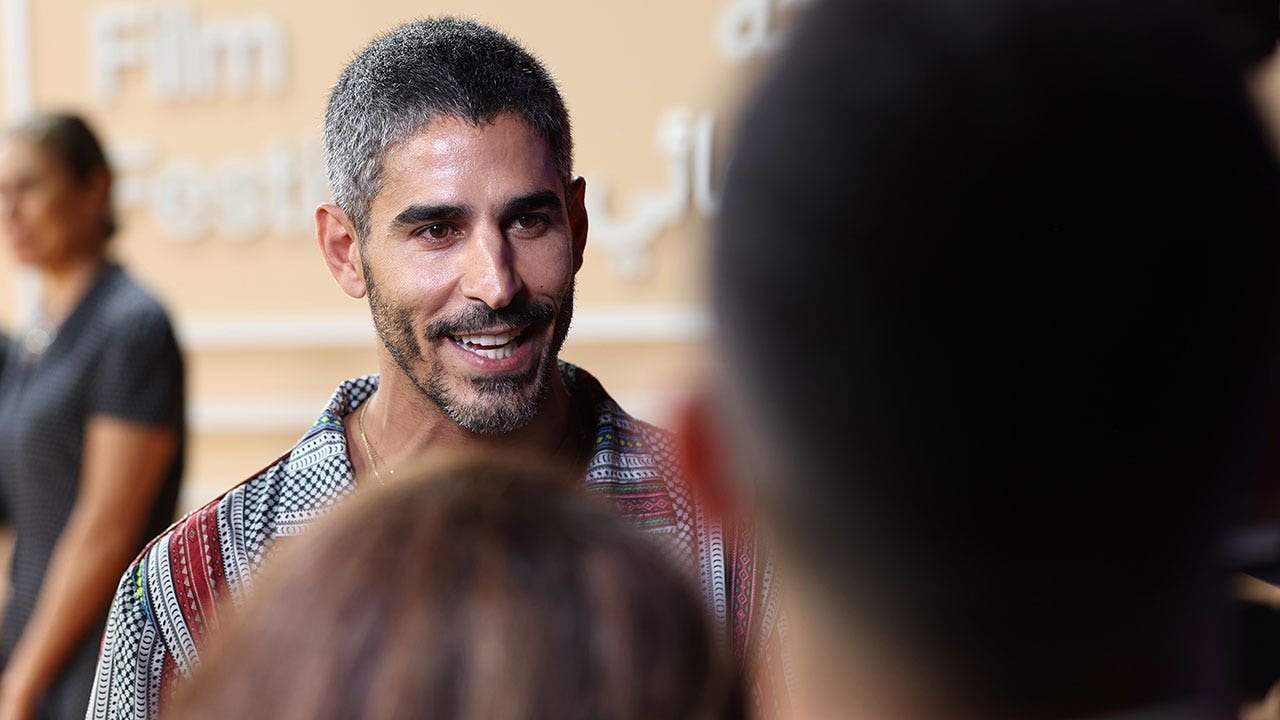
Shihab-Eldin, a prominent figure in international journalism, has covered critical stories across the Middle East and beyond. His work at Vice News and Al Jazeera often focused on conflict zones, earning him recognition at events like the Doha Film Festival, where he appeared on the red carpet for the "Palestine 36" premiere on November 24, 2025, in Doha, Qatar. The detention occurred during what was meant to be a personal visit to family, turning a routine trip into a high-profile legal battle.
The U.S. State Department did not immediately respond to requests for comment on the acquittal. However, a spokesperson previously told Fox News Digital that the Trump administration "has no higher priority than the safety and security of Americans" and was aware of Shihab-Eldin's detention. "Whenever an American is detained abroad, the Department works to provide consular assistance in accordance with our authorities under U.S. and international law," the spokesperson added, emphasizing routine diplomatic support.
The incident with the U.S. fighter jet added a layer of complexity to Shihab-Eldin's case. Reports described it as a friendly fire mishap involving U.S. F-15 jets over Kuwait, with retired Marine Corps officer and Top Gun instructor Dave Burke weighing in on the event. Burke, speaking amid the escalating conflict, highlighted the risks of such errors in tense airspace, though he did not directly address Shihab-Eldin's reporting.
Human rights advocates have linked Shihab-Eldin's arrest to a pattern of detentions targeting those who document military or security-related events. The CPJ's earlier demands for his release included calls for Americans to sign a petition and raise awareness using hashtags like #freeahmed, #freeahmedeldin, and #journalismisnotacrime. These efforts amplified the story globally, pressuring Kuwaiti authorities to act swiftly.
Kuwait, a key U.S. ally in the Gulf, has maintained close ties with Washington, hosting American military bases and participating in regional security operations. The detention of a dual-national journalist, however, strained perceptions of press freedoms in the country, which ranks moderately on global indices but has faced criticism for laws that curb online speech. Shihab-Eldin's case is seen by some as emblematic of broader challenges for reporters in authoritarian-leaning states during wartime.
While the acquittal brings relief to Shihab-Eldin's supporters, questions linger about the circumstances of his detention and the video he posted. Neither Kuwaiti officials nor the family have elaborated on the specifics of the court's decision, leaving room for speculation on whether the charges were dropped due to lack of evidence or external pressure. The State Department's involvement suggests ongoing U.S. monitoring, potentially influencing the outcome.
Looking ahead, the CPJ plans to keep a close watch on Shihab-Eldin's situation post-release, ensuring his safety as he potentially resumes his career. Broader implications for journalism in the region remain stark: with conflicts raging, governments like Kuwait's are tightening controls on information flow, raising fears of self-censorship among reporters. Shihab-Eldin's ordeal may serve as a cautionary tale, prompting international bodies to push for reforms in media laws across the Gulf.
As Shihab-Eldin prepares to return home, his story underscores the perils faced by journalists bridging personal ties and professional duties in volatile areas. Families and colleagues await his safe departure, while advocates continue to champion the right to report without fear of reprisal. In a statement echoing the CPJ's stance, Ginsberg reiterated the organization's commitment: "We will continue to closely monitor his case," signaling that the fight for press freedom in Kuwait is far from over.
The acquittal also revives discussions on U.S. policy toward detained citizens abroad. With the Trump administration emphasizing American safety, future cases may see heightened diplomatic interventions. For now, Shihab-Eldin's release marks a victory for free expression, though the underlying tensions in Kuwait persist, shaping the landscape for journalists navigating conflict zones.