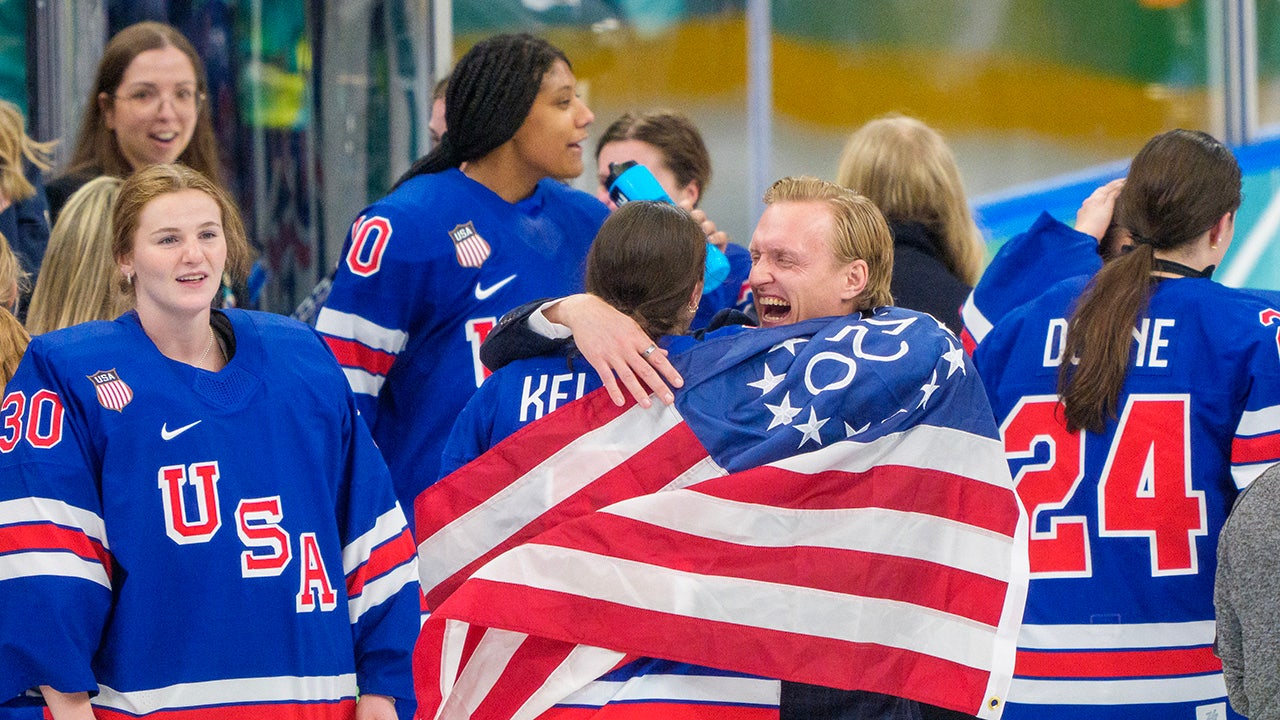
In a thrilling overtime finish at the Milano Cortina 2026 Winter Olympics, the United States women's hockey team captured gold with a 2-1 victory over rival Canada on Thursday, February 19, 2026, at the Milano Santagiulia Ice Hockey Arena in Milan, Italy. The game-winning goal came from Megan Keller, who deftly deked around a Canadian defender to seal the win, sending the American bench into a frenzy of celebration. As the final buzzer sounded, cameras captured an emotional moment for head coach John Wroblewski, whose tears streamed down his face amid the joyous chaos, marking a poignant highlight of the tournament.
Taylor Heise, the American forward who assisted on Keller's decisive tally, reflected on the coach's reaction in an interview with Fox News Digital. "I saw the video yesterday (Friday), and it kind of just depicts him pretty well," Heise said. "He’s an emotional guy, but he coached a lot of men’s teams and this is kind of his first women’s gig and we’ve taken him in with grace these past four years and I think he’s done wonders for this group." The victory not only ended a long drought for the U.S. women, who had settled for silver in recent Olympics, but also represented a personal triumph for Heise, who had been cut from the previous Olympic roster.
The game itself was a tense affair, with both teams trading chances in regulation before the overtime drama unfolded. Keller's goal, assisted by Heise, came just minutes into the extra period, showcasing the skill and determination that defined the American squad. According to reports from the NBC broadcast, Wroblewski's emotional response was immediate and raw, as he embraced his players on the ice. Photographs from the event, including one showing Wroblewski celebrating with forward Laila Edwards, captured the intensity of the moment, with the coach's face etched in disbelief and elation.
"He knows I’m very grateful for that. I tell him that every day," Heise said of Wroblewski, crediting him for giving her a second chance after her Olympic setback. "We hadn’t been able to really chat with him after. We had a lot of media and everything, but we’re grateful for him. He’s a guy that deserves the world because he believed in all of us and gave all these young girls a chance to show up and I think he picked the right 23 girls to be here."
Wroblewski's journey to this Olympic triumph adds layers to the story. A former player in the East Coast Hockey League (ECHL) and the American Hockey League (AHL), he transitioned into coaching roles with the Team USA Developmental Program and later served as head coach for the AHL's Ontario Reign. Appointed to lead the U.S. women's Olympic team in 2022, this marked his first major foray into coaching at the highest level of women's hockey, a shift from his extensive experience with men's teams. Under his guidance, the team gelled over four years, blending veteran leadership with emerging talents like Keller and Heise.
For Heise, a key contributor to the gold-medal effort, the win fulfills a lifelong ambition. Playing her club hockey with the Minnesota Frost in the Professional Women’s Hockey League (PWHL), she described the Olympic experience as unparalleled. "It’s awesome," she told Fox News Digital. "It’s definitely a goal of mine that I’ve had for a very long time and to now have it come true, it was definitely one of the last things on my list I wanted to check off." Heise emphasized the special bond within the team, calling it "one of the most talented teams I’ve ever seen."
The U.S.-Canada rivalry in women's hockey has long been one of the sport's fiercest, with the two nations dominating international play. This gold medal win avenges recent losses, including a silver finish for the Americans at the 2022 Beijing Olympics. The 2026 edition in Milan brought renewed energy to the competition, with the arena packed with fans waving American and Canadian flags. Post-game celebrations spilled into the streets of Milan, where supporters gathered to honor the victors.
Images from the victory ceremony showed Heise and teammate Grace Zumwinkle beaming on the podium, gold medals around their necks as the national anthem played. Associated Press photographer Carolyn Kaster captured Wroblewski in a heartfelt embrace with Edwards, while Hassan Ammar's lens froze the jubilation of the medal presentation. These moments underscored not just the athletic achievement but the emotional investment from everyone involved.
According to Fox News reports, the coach's tears were a rare public display for a man known for his stoic demeanor on the bench. Heise noted that Wroblewski's belief in the roster was instrumental, particularly in selecting the 23 players who made the Olympic cut. "Definitely an honor for me because the last Olympics, I got cut," she added. "He’s the first coach that gave me that chance back." This personal redemption arc for Heise mirrors the team's broader resurgence under Wroblewski's leadership.
The Professional Women’s Hockey League, where Heise continues her career, has seen a surge in popularity following the Olympics, with the Minnesota Frost drawing larger crowds. Heise's gold medal status elevates her profile, potentially inspiring a new generation of players. Officials from USA Hockey praised the team's preparation, crediting Wroblewski's tactical acumen in overtime situations. The coach, in brief post-game remarks reported by multiple outlets, simply said the win was for the players who earned it.
Looking ahead, the gold medal positions the U.S. women as favorites for future international tournaments, including the 2026 IIHF Women's World Championship. Heise expressed hope that the victory would boost investment in women's hockey globally. "It’s just an unbelievable experience," she reiterated, highlighting the camaraderie that propelled the team through a grueling tournament schedule.
The emotional undercurrents of the win extend beyond the ice. Wroblewski's transition from men's to women's coaching reflects broader shifts in the sport, where gender barriers are increasingly dismantled. Heise's story of perseverance—from Olympic cut to gold medal assist—serves as a testament to resilience. As the team returns home, parades and tributes await, but for now, the Milan triumph stands as a defining chapter in American hockey history.
In the days following the game, media coverage has focused on the human elements, with Heise's interview providing intimate insights. While the athletic feats drew headlines, it's moments like Wroblewski's tears that resonate most, humanizing the pursuit of excellence. The 2026 Olympics, hosted in the historic Italian cities of Milan and Cortina d'Ampezzo, delivered memorable sports drama, and the women's hockey final will be remembered as one of its peaks.
As the athletes disperse to their professional leagues, the legacy of this gold endures. For a sport still growing in visibility, victories like this amplify voices and open doors. Heise, back with the Frost, carries the medal as a symbol of what's possible when belief and talent align. The Appleton Times will continue to follow the stories of these trailblazers as they shape the future of women's hockey.