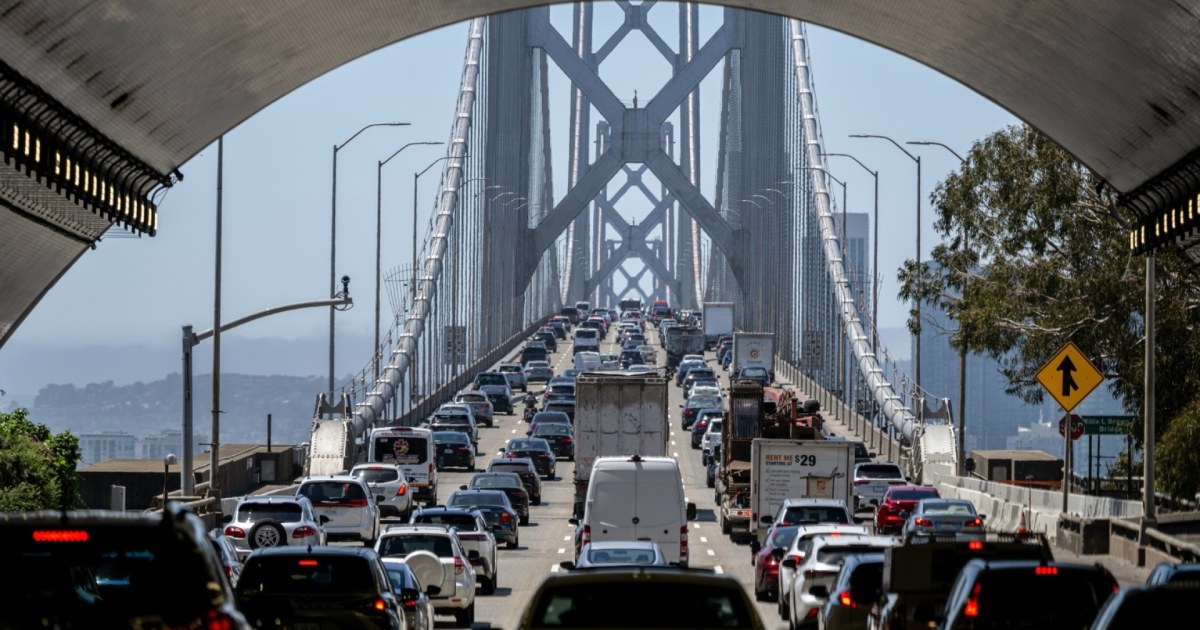
Millions of Americans preparing for summer vacations are confronting significantly higher costs for both road trips and air travel this season, according to a report from NBC News. The increased expenses stem primarily from ongoing conflict in Iran and resulting disruptions in the Strait of Hormuz, which have driven up fuel prices at the pump and in the aviation sector.
NBC’s Allie Canal detailed the situation in a segment for Sunday Focus on May 24, 2026. “Millions of Americans are gearing up for summer vacation season by hitting the roads and packing airports but those vacations are coming with a much higher price tag,” the report stated. Canal noted that the war in Iran and disruptions around the Strait of Hormuz are mostly to blame for the surge in expenses.
Even if the conflict in the region concludes in the near term, the financial impact on summer travel is not expected to ease immediately. Officials and industry analysts have indicated that fuel price adjustments typically lag behind any resolution of supply chain issues in key oil transit points like the Strait of Hormuz.
The Strait of Hormuz remains a critical chokepoint for global oil shipments, and any instability there tends to ripple through energy markets quickly. Travelers planning cross-country drives or flights to popular destinations are already seeing the effects in ticket prices and gasoline costs, according to the NBC report.
Airlines have reportedly begun passing along higher jet fuel expenses to passengers through increased fares, while drivers face elevated prices at gas stations across the country. The combination has made traditional summer getaways more expensive than in previous years.
Industry observers point out that summer is traditionally the peak travel period, with families and individuals booking trips well in advance. The current price pressures could lead some to alter their plans or seek closer destinations to manage budgets.
The NBC report emphasized that the effects are widespread, affecting both domestic road travel and international or long-haul flights. No immediate relief is anticipated even under optimistic scenarios for the Iran situation.
Travelers are advised to monitor fuel price trends and airline announcements as the season progresses. The report from Canal highlighted that the higher costs are likely to persist through the summer months regardless of short-term developments in the Middle East.
Background on the Strait of Hormuz shows it handles a substantial portion of the world’s oil exports, making it a focal point during regional tensions. Disruptions there have historically led to volatility in energy prices that affect consumers directly.
According to the available reporting, the current environment combines geopolitical factors with seasonal demand to create a challenging outlook for vacationers. The NBC segment provided context on how these elements intersect for American travelers this year.
Further updates are expected as the situation in Iran evolves and as summer travel data becomes available from government and industry sources. The report concluded that the price tag for vacations will remain elevated for the foreseeable future.