SAN FRANCISCO — A California man has become the third resident to die from poisoning after consuming death cap mushrooms since November, highlighting an alarming surge in toxic foraging incidents across the state this winter.
The latest fatality occurred last weekend in Sonoma County, marking the first such death from wild mushrooms in the area this season, according to the county health department. The man, whose identity has not been publicly released, ingested the highly poisonous Amanita phalloides, commonly known as the death cap, which experts say has proliferated due to favorable weather conditions.
California's health officials have been grappling with an unprecedented wave of mushroom-related poisonings. From November 18 to January 4, the state recorded 35 cases, a stark contrast to the typical fewer than five incidents in an average year. “The numbers we’re dealing with this year are comparatively off the charts,” said Sheri Cardo, a communications specialist for the California Department of Public Health.
In response to the rising cases, the health department issued a warning on December 5, urging residents to avoid consuming any foraged mushrooms. The advisory pointed to clusters of poisonings around Monterey and the San Francisco Bay Area, where individuals had mistaken toxic varieties for safe, edible ones. Officials emphasized that even small amounts of death caps can be lethal, with a dose as tiny as a standard sugar cube potentially fatal.
Dr. Michael Stacey, the interim health officer for Sonoma County, echoed the caution in a press release issued Thursday. He advised residents to purchase mushrooms only from trusted grocery stores and retailers, noting that death caps closely resemble certain edible species. “Early rains and a mild fall have led to a profusion of the toxic death cap mushrooms in Northern California,” Stacey said.
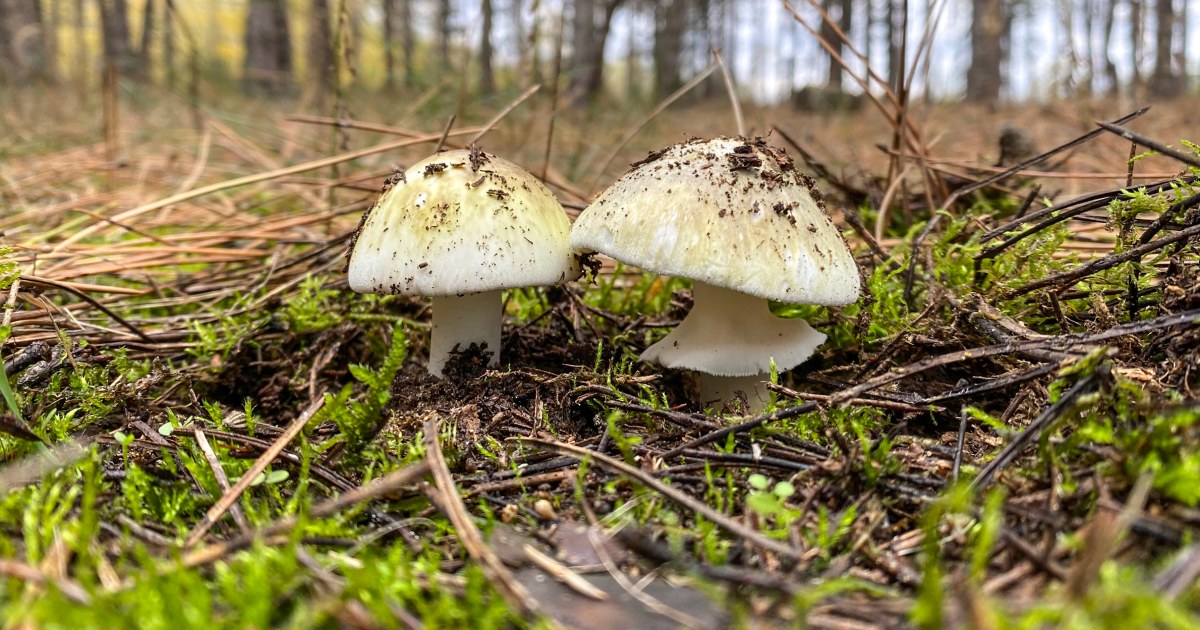
The death cap, an invasive species that arrived in California in the 1930s likely via imported nursery trees from Europe, thrives near oak trees and occasionally pines. It typically stands a few inches tall but can grow larger, featuring white gills, a pale yellow or green cap, and a distinctive ring around its stalk. This resemblance to harmless mushrooms has led to tragic misidentifications, particularly among foragers unfamiliar with local flora.
Complicating matters, some of the poisoned individuals spoke Spanish and may have drawn on foraging traditions from other countries, according to the California Poison Control System. Heather Hallen-Adams, the toxicology chair of the North American Mycological Association, explained to NBC News that death caps look similar to other Amanita species commonly collected in Mexico, which are safe to eat. This cultural crossover has contributed to the spike, she said.
The mushroom's primary toxin, amatoxin, wreaks havoc on the body by damaging the kidneys, liver, and gastrointestinal tract. Initial symptoms, such as mild nausea, vomiting, diarrhea, and stomach pain, can take up to 24 hours to appear. Within two to three days, more severe effects like fatal liver damage may set in. Hallen-Adams noted that about 90 percent of fatal mushroom poisonings worldwide stem from amatoxin exposure.
The severity of this season's incidents is underscored by the medical interventions required. According to the state health department, three patients suffering from wild mushroom poisoning have needed liver transplants. U.S. poison centers normally field around 52 calls annually related to amatoxin, though not all cases are reported, Hallen-Adams added.
While the Bay Area and Monterey regions have seen the bulk of cases, Sonoma County's death serves as a grim reminder of the statewide risk. Local health officials reported that the victim sought medical help after experiencing classic symptoms, but the toxin's delayed onset made timely intervention challenging. Investigations into the exact circumstances of the ingestion are ongoing, with authorities stressing the importance of professional identification for wild foods.
Experts attribute the unusual abundance to environmental factors. The early rains and mild temperatures created ideal conditions for the death cap's growth, leading to what some describe as a bumper crop of the deadly fungus. In contrast to typical seasons, foragers have encountered far more of these mushrooms in urban parks, woodlands, and residential areas near oaks.
Mike McCurdy, president of the Mycological Society of San Francisco and an avid mushroom collector, offered a cautiously optimistic outlook. During a recent outing near Lafayette, California, he spotted only one death cap, a sharp decline from the hundreds he observed on a single two- to three-hour walk in Sonoma County earlier in the winter. “I think we’re getting close to the end,” McCurdy said, suggesting that the peak risk period may be subsiding as weather patterns shift.
This surge has broader implications for public health and foraging communities. Advocacy groups are calling for increased education on toxic look-alikes, including workshops and apps for mushroom identification. The California Poison Control System has seen a uptick in hotline calls, with operators advising immediate medical attention for anyone suspecting exposure.
As winter transitions to spring, officials hope the advisory will prevent further tragedies. The state health department continues to monitor cases, and experts like Hallen-Adams recommend sticking to commercially sourced fungi. “Foraging can be rewarding, but in California right now, the risks outweigh the benefits for most people,” she said in prior interviews.
The three deaths since November represent a tragic toll, but they also spotlight the need for vigilance in an era of growing interest in wild foods. Sonoma County's health team is partnering with local mycological societies to distribute identification guides, aiming to equip residents with the knowledge to avoid future mishaps. For now, the message remains clear: when it comes to wild mushrooms, caution is the only safe harvest.