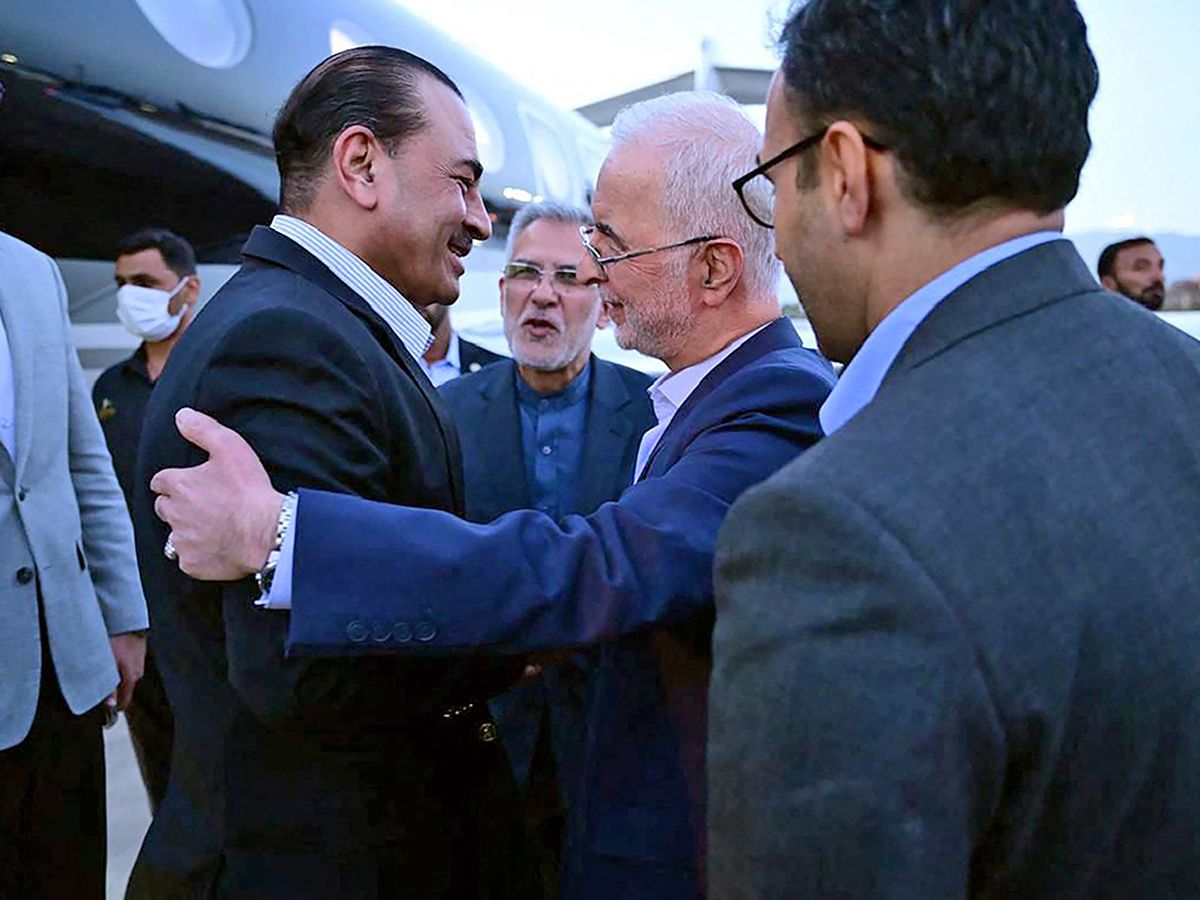
Several Arab nations have joined Pakistan in pressing President Donald Trump to give negotiations more time to resolve the conflict with Iran, even as reports indicate the United States may be preparing additional strikes. The United Arab Emirates, Qatar and Saudi Arabia appealed directly to the White House, according to people familiar with the discussions. Pakistan’s army chief, Field Marshal Asim Munir, arrived in Tehran on Friday for talks expected to focus on U.S.-Iran negotiations.
U.S. Secretary of State Marco Rubio described the diplomatic efforts as showing modest headway. “I don’t want to exaggerate it, but there’s been a little bit of movement, and that’s good,” Rubio told reporters at a NATO foreign ministers meeting in Sweden. Trump, speaking at the White House, said Iran was “dying to make a deal” while warning that further attacks would follow if acceptable terms were not reached.
The six-week-old ceasefire has been marked by mixed signals from the administration. Trump has alternated between optimism about an imminent peace accord and threats of renewed aerial assaults. Axios and CBS News reported that preparations for fresh strikes were underway, though no final decision had been made.
Iran has warned that any new U.S. or Israeli attacks would open “new regional fronts,” according to the semi-official Tasnim news agency. Iranian leaders have rejected American demands to surrender enriched uranium and halt enrichment activities for at least a decade, citing rights under international agreements.
Opposition to continued involvement has grown among Americans concerned about rising gasoline prices tied to disruptions in global energy markets. Several polls have captured the public unease, which has also surfaced on Capitol Hill ahead of midterm elections. The Republican-led Senate held a procedural vote earlier this week signaling resistance, and party leaders canceled a related vote on Thursday after absences raised the prospect of an embarrassing defeat for the president.
Senator Roger Wicker, chairman of the Senate Armed Services Committee, cautioned against a weak agreement. “Our commander-in-chief needs to allow America’s skilled armed forces to finish the destruction of Iran’s conventional military capabilities and reopen the strait,” Wicker said in a statement. He was referring to the Strait of Hormuz, a critical chokepoint for global energy supplies.
Iran’s ambassador to France, Mohammad Amin-Nejad, told Bloomberg that Tehran was discussing a permanent toll system for the strait with Oman. Rubio rejected the idea, saying it would set a dangerous precedent and that no country should accept such impositions in Hormuz.
Munir’s visit to Tehran was welcomed by Iranian Interior Minister Eskandar Momeni. A Pakistani security official, speaking on condition of anonymity, said the army chief would participate in discussions covering the ongoing negotiations. The United Arab Emirates, Qatar and Saudi Arabia have all urged Trump to allow additional time for diplomacy, according to several people familiar with the matter.
Since the ceasefire took effect, the administration has faced competing pressures. Domestic concerns over fuel costs have intensified, while some lawmakers argue that military objectives remain unfinished. Iranian officials have continued to insist on their right to enrichment under existing international frameworks.
Officials in Washington have not confirmed the timing or scope of any potential new strikes. Reports from Axios and CBS News cited indications that planning was advancing, though Trump has not made a final call. Arab governments involved in the appeals have not publicly detailed their specific proposals.
The Strait of Hormuz remains a central sticking point alongside Iran’s nuclear program. Any agreement would need to address both issues to satisfy U.S. demands, according to administration statements. Rubio emphasized that the United States would not accept new toll arrangements that could affect global shipping routes.
Negotiations are continuing through multiple channels, including Pakistan’s involvement. Munir’s meetings in Tehran are expected to explore whether additional time could produce a durable outcome acceptable to all parties. No immediate breakthroughs have been announced.