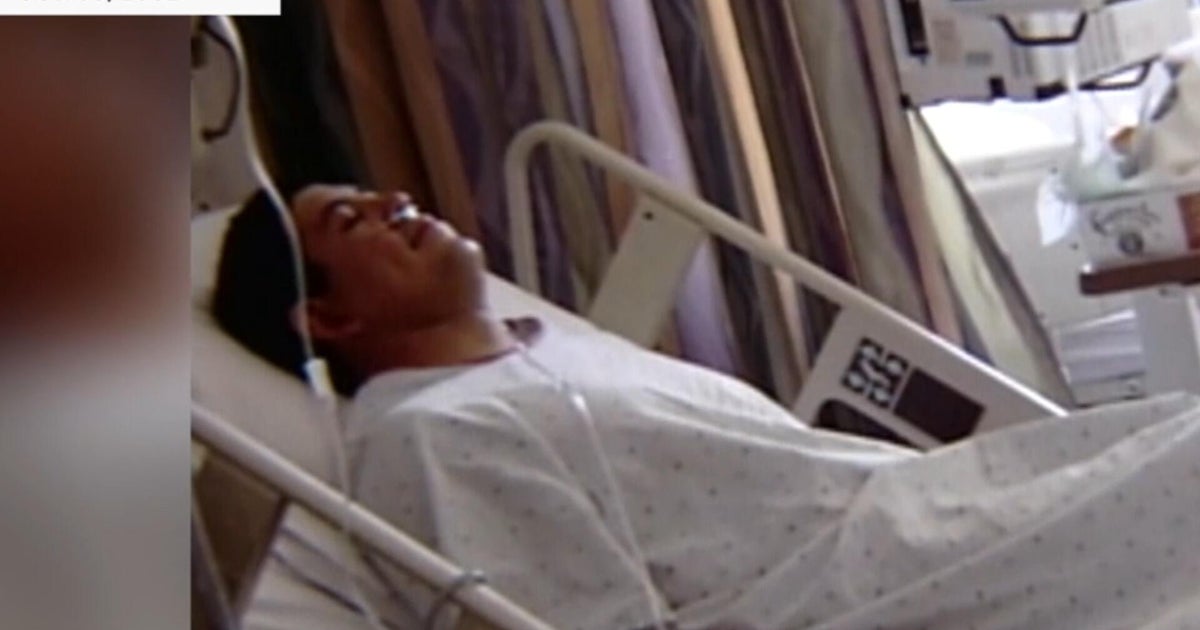
For Gilbert Zermeño, a photojournalist based in Arizona, the news of a recent hantavirus outbreak evokes painful memories from 24 years ago, when he survived the rare and deadly illness but lost his mother and sister to it. Zermeño, who contracted the virus in 2002 after cleaning his family's home in Texas, told CBS News that the reports of the current outbreak have been "hard" to process. "I imagine I got the same feeling that every person who's ever contracted hantavirus and still deals with the effects afterwards of it," he said in an interview on "The Daily Report." "It takes you back, and it's no less painful now than it was back then. It's hard. I'm not going to lie."
The recent outbreak, linked to a Dutch-flagged cruise ship, has raised alarms among health officials worldwide, with nine confirmed or suspected cases reported, including three deaths. The incidents occurred aboard the vessel as it sailed through international waters, prompting monitoring by authorities in multiple countries. According to health experts, the hantavirus, typically spread through contact with infected rodent droppings, urine, or saliva, poses a unique challenge in confined spaces like a cruise ship, where environmental factors could facilitate exposure.
Zermeño's own brush with the virus came under tragic circumstances. In 2002, following the sudden deaths of his mother and sister, he returned to their family home in Texas to handle cleanup duties. Unbeknownst to him at the time, the house had become infested with rodents, and while sweeping and disturbing debris, he inhaled airborne particles contaminated with the virus. Days later, symptoms struck—fever, muscle aches, and severe respiratory distress—leading to his hospitalization in Phoenix, Arizona, where he spent several grueling days fighting for his life.
His mother and sister had fallen ill under mysterious conditions just weeks earlier. Initially, doctors diagnosed their conditions as sepsis, a life-threatening response to infection that can mimic many illnesses. It wasn't until postmortem analysis that hantavirus was identified as the true culprit, a revelation that came too late for them but informed Zermeño's treatment. "The rarity of the illness complicated my own diagnosis and treatment," Zermeño recounted, crediting family members in the medical field for advocating on his behalf to secure proper testing and care.
Health officials emphasize that hantavirus pulmonary syndrome, the severe form Zermeño and the recent victims suffered, has a mortality rate of around 38 percent in the United States, according to historical data from the Centers for Disease Control and Prevention. The virus belongs to a family of pathogens carried by rodents like deer mice, and human infections are rare, with only about 30 cases reported annually in the U.S. on average. However, outbreaks in isolated settings, such as the cruise ship, highlight the potential for clustered exposures, especially if rodent populations aboard or at ports of call go unchecked.
In response to the cruise ship incidents, the World Health Organization has dispatched representatives to assess the situation. Ann Lindstrand, a WHO representative in Cape Verde—one of the ports potentially affected—told CBS News on Tuesday that there is "no risk of a pandemic-level threat" due to the low likelihood of human-to-human transmission. "Hantavirus is primarily a zoonotic disease, meaning it jumps from animals to humans, not easily from person to person," she explained, urging calm amid growing public concern.
The U.S. Centers for Disease Control and Prevention echoed this assessment in a statement released Wednesday. Dr. Jay Bhattacharya, the agency's acting director, stressed that "hantavirus is not spread by people without symptoms, transmission requires close contact, and the risk to the American public is very low." Bhattacharya's comments aim to counter what Zermeño describes as rampant online misinformation, which he believes has amplified fears by associating the illness with more familiar pandemics like COVID-19.
"But I'm here to just tell people, look, you need to do some research on this because it's not as scary as COVID-19 was," Zermeño advised, drawing from his personal survival to underscore the virus's limited transmissibility. He noted that while the initial panic is understandable—fueled by the word "virus" and sensational headlines—the facts paint a less dire picture. Preventive measures, such as avoiding rodent-infested areas, wearing masks during cleanup, and ventilating spaces, remain the best defenses, according to CDC guidelines.
Reflecting on his family's ordeal, Zermeño highlighted the diagnostic challenges that persist even today. In 2002, the scarcity of hantavirus cases meant many physicians weren't primed to suspect it, leading to delays that proved fatal for his loved ones. Today, improved awareness and testing protocols have reduced such errors, but experts like those at the WHO warn that in remote or resource-limited areas—like some cruise ship medical facilities—similar oversights could occur.
The cruise ship outbreak has prompted swift action from maritime health authorities. The vessel, whose name has not been publicly disclosed, was reportedly quarantined at a port in West Africa while investigators traced potential rodent entry points, possibly through cargo or provisioning stops. Passengers and crew who showed symptoms were isolated, and contact tracing efforts are underway to identify anyone who might have been exposed to contaminated environments. As of the latest reports, no additional cases have been confirmed beyond the initial nine.
Zermeño, now 24 years post-recovery, continues to live with lingering effects from the virus, including occasional respiratory issues that serve as stark reminders of his survival. His story, shared through his work as a photojournalist, has inspired public health campaigns in Arizona, where rodent control is a perennial concern in rural and suburban areas. "Listen to your medical professionals and have a plan in the event that you do feel that you were exposed to the hantavirus or to someone who had hantavirus," he urged. "The likelihood of you catching it from a person-to-person is minuscule."
Beyond the immediate response, the outbreak raises questions about global surveillance for emerging zoonotic diseases. The WHO and CDC have long advocated for integrated pest management on ships and in ports, especially as climate change expands rodent habitats. In the U.S., states like Arizona, New Mexico, and California—hotspots for hantavirus—have ramped up education efforts following high-profile cases in the 1990s that first brought the illness to national attention.
As investigations continue, experts predict the cruise ship cluster will likely remain contained, given hantavirus's non-airborne, non-casual transmission profile. Dr. Bhattacharya's assurance of low public risk aligns with historical patterns, where outbreaks fizzle without widespread spread. For survivors like Zermeño, however, each new report serves as a poignant echo of personal loss, blending grief with a call for vigilance.
Looking ahead, public health officials are focusing on prevention education, particularly for travelers and those in high-risk occupations. Zermeño's experience underscores the importance of early intervention, and his message resonates amid the current news cycle: awareness and preparation can turn potential tragedies into survivable challenges. As the world watches the cruise ship saga unfold, his voice adds a human dimension to the scientific discourse, reminding us that behind the statistics are stories of resilience and heartbreak.