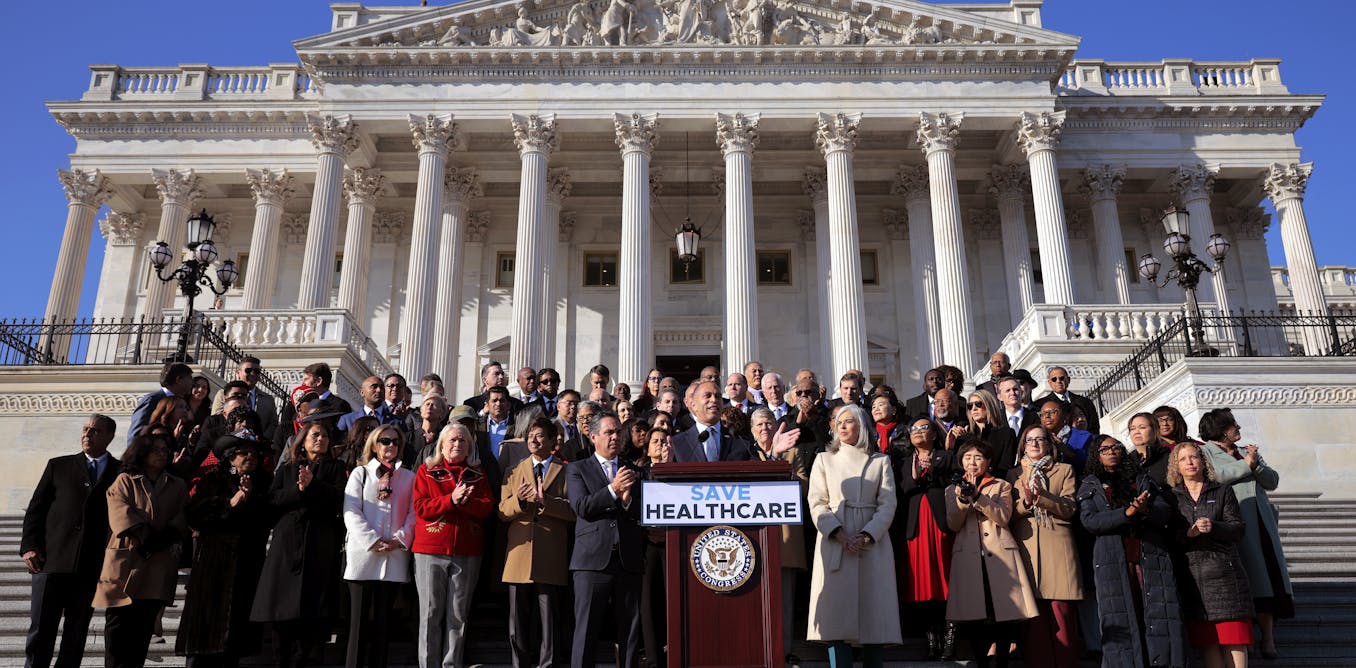
As the December 15, 2025, deadline for enrolling in Affordable Care Act marketplace plans for 2026 passed without congressional action, millions of Americans are bracing for significant increases in health insurance costs next year. Lawmakers failed to extend enhanced federal subsidies that had made coverage more affordable since the COVID-19 pandemic, despite a last-minute push in the House. With Congress adjourning on December 19, the expiration of these subsidies appears inevitable, potentially driving up premiums by more than 100% for some enrollees when combined with anticipated 18% hikes in insurance plan prices.
The standoff over the subsidies is the latest chapter in a century-long debate in the United States about who bears responsibility for health care costs—government, individuals, or employers. According to an analysis by a gerontologist specializing in the U.S. health care system, this fundamental disagreement has fueled political divisions, including a record 43-day government shutdown that began on October 1, 2025. "In my view, regardless of how Congress resolves, or doesn’t resolve, the current dispute over ACA subsidies, a durable U.S. health care policy will remain out of reach until lawmakers address the core question of who should shoulder the cost of health care," the expert wrote in a recent commentary.
The Affordable Care Act, enacted in 2010 as the nation's first major health legislation since Medicare and Medicaid in 1965, aimed to reduce the uninsured rate by expanding access to coverage. Before its passage, about 49 million Americans, or 15% of the population, lacked health insurance, a figure that had climbed after the 2008 recession as job losses stripped workers of employer-sponsored plans. The ACA sought to insure roughly 30 million more people, bringing the uninsured down to about 3% of the population. It achieved partial success: As of late 2025, around 26 million Americans, or 8%, remain uninsured, with fluctuations tied to economic conditions and policy shifts.
Key provisions of the ACA included allowing young adults to stay on their parents' insurance until age 26—a popular measure—and a controversial individual mandate requiring everyone to have coverage. But the biggest impacts came from Medicaid expansion for low-income workers and subsidies for purchasing plans through ACA marketplaces. Medicaid expansion, which covers those earning below 138% of the federal poverty level, was initially mandatory for all states but became optional after a Supreme Court ruling. By December 2025, 40 states plus the District of Columbia had adopted it, insuring about 20 million people.
The marketplace subsidies targeted working individuals without employer coverage, requiring contributions based on income. Originally, those earning up to 400% of the poverty level—about $60,240 in 2010—qualified, paying between 2.1% and 10% of premiums. Legislation in 2021 under the Biden administration, aimed at mitigating COVID-19's economic fallout, enhanced these subsidies by eliminating premiums for the lowest earners and extending aid to those above 400% of poverty. These changes, set to expire at the end of 2025, had doubled subsidy recipients to nearly 22 million in 2025, up 137% from 9.2 million in 2020.
Without extension, costs will revert to pre-pandemic levels, hitting middle-income households hard. For example, someone earning $45,000 annually could see monthly premiums jump to $360, a 74% increase or $153 more per month, according to projections. Proponents of renewal warn that this could prompt 6 million to 7 million people to drop marketplace coverage, with up to 5 million becoming uninsured in 2026. The rollback compounds other pressures: Insurance plans are expected to rise 18% in 2026, potentially pushing total cost increases over 100% for many users.
Recent policy moves under President Donald Trump have intensified the coverage crisis. A tax and spending package signed in July 2025 includes Medicaid cuts that the Congressional Budget Office estimates could uninsured more than 7 million people. When paired with the subsidy expiration and other changes, the CBO projects up to 16 million additional uninsured by 2034—erasing most ACA gains since 2010. Critics of the enhanced subsidies argue they balloon federal spending unnecessarily, benefiting higher earners who don't require aid. "Those who oppose the extension counter that the subsidies cost the government too much and fund high earners who don’t need government support," the gerontologist noted, highlighting how pandemic-era measures shouldn't become permanent.
Opponents also point to shifting employer behaviors. Under the ACA, firms with over 50 employees must offer insurance, but smaller ones have flexibility. In 2010, 92% of companies with 25 to 49 workers provided coverage; by 2025, that fell to 64%, suggesting some are offloading responsibility to the ACA marketplace. This trend underscores the ongoing tension between government intervention and market-driven solutions in the health care debate.
The U.S. health system, already the world's most expensive, faces further strain from rising uninsured rates. Delayed preventive care among the uninsured often leads to costlier treatments later, the expert explained. Nationally, 8% of those under 65 were uninsured in 2023, but rates vary sharply by state: as low as 3% in Massachusetts and as high as 18.6% in Texas. States led by Republicans tend to have higher uninsured rates than those under Democratic control, reflecting partisan divides on funding health care through taxes versus relying on individual and employer contributions.
Historical context reveals deep-rooted ideologies at play. For advocates of government responsibility, expanding coverage via taxes is straightforward. Free-market proponents argue competition among insurers and providers will better control costs without federal overreach. The ACA's passage in 2010 crystallized this divide, with no bipartisan consensus emerging. The recent shutdown, triggered by subsidy disputes, exemplifies how these views paralyze progress.
Looking ahead, the subsidy expiration could exacerbate economic pressures in 2026, particularly for the 22 million current marketplace enrollees. While some states may pursue workarounds, federal inaction leaves many vulnerable. The gerontologist emphasized that without resolving the core question of cost responsibility, "the U.S. will likely still be embroiled in this same debate for years, if not decades, to come."
As families nationwide tally holiday expenses, the looming health care hikes serve as a stark reminder of unfinished policy battles. In Appleton, Wisconsin, local advocates have already begun outreach to inform residents about open enrollment options, though without subsidies, affordability remains a concern. Congressional leaders from both parties have signaled intentions to revisit the issue in the new year, but with divided government, resolution is far from certain.
The broader implications extend beyond premiums: Reduced coverage could strain emergency rooms and drive up overall health spending. Economists warn that uninsured individuals forgo routine checkups, leading to advanced illnesses that burden public systems. In states like Texas, where uninsured rates are highest, hospitals report increased uncompensated care, a trend likely to worsen nationally.
For now, the focus shifts to mitigation efforts. Community health centers and nonprofit groups are ramping up assistance programs, but experts agree these are bandaids on a systemic wound. As 2026 approaches, the fate of American health care hangs on whether lawmakers can bridge their ideological chasm—or if the cycle of debate continues unabated.