In a candid op-ed published on The Cut, actress Ashley Tisdale has opened up about her frustrating experience with a local mom group, describing it as a toxic environment reminiscent of high school cliques. Tisdale, best known for her role in the Disney franchise High School Musical, shared how she sought camaraderie with other new mothers during the pandemic but ended up feeling repeatedly excluded and isolated. The piece, titled "Breaking Up With My Toxic Mom Group," details her journey from initial excitement to disillusionment, highlighting the emotional toll of subtle social snubs in what was supposed to be a supportive community.
Tisdale, 39, who shares daughters Jupiter, 4, and Emerson, 15 months, with husband Christopher French, wrote about joining the group shortly after Jupiter's birth in 2021. The COVID-19 pandemic had robbed her of typical pre-baby bonding opportunities, leaving her eager for connection once restrictions eased. "After the birth of my first daughter, I was craving connection with other mothers," Tisdale recounted in the op-ed. "I needed someone to talk to about which diaper bag to buy, whether a Snoo is worth it, and how you can possibly get anything done if you’re supposed to ‘sleep while the baby is sleeping.’"
Initially, Tisdale felt fortunate to stumble upon the group, which she described as her potential "village" of like-minded women navigating early motherhood. However, what began as innocent outreach soon turned into a series of perceived slights. She recalled being left out of casual group hangouts, only learning about them through Instagram feeds that relentlessly pushed photos and Stories of the gatherings. "I remember being left out of a couple of group hangs, and I knew about them because Instagram made sure it fed me every single photo and Instagram Story," she wrote, illustrating the sting of digital exclusion.
One particularly vivid incident occurred at a dinner party hosted by one of the moms. Tisdale arrived to find herself seated at the far end of the table, physically distanced from the main conversation. "I was starting to feel frozen out of the group, noticing every way that they seemed to exclude me," she shared. This pattern continued when the group organized a birthday dinner without inviting her, prompting excuses that rang hollow to the actress. Even more baffling was her exclusion from a girls' hangout planned on the same day as her own daughter's birthday party, an oversight that left her questioning the group's dynamics.
The emotional weight of these experiences culminated one evening after putting Jupiter to bed. Overwhelmed by a sense of being left behind, Tisdale grappled with self-doubt. "All of a sudden, I was in high school again, feeling totally lost as to what I was doing ‘wrong’ to be left out," she reflected. The irony was not lost on her, given her breakout role as Sharpay Evans in High School Musical, a character defined by navigating teen social hierarchies. Tisdale's account underscores how motherhood, often idealized as a unifying force, can sometimes amplify feelings of inadequacy among new parents.
Refusing to internalize the rejection silently, Tisdale confronted the group via text after yet another uninvited plan. "This is too high school for me and I don’t want to take part in it anymore," she messaged, a bold move that elicited mixed responses. Some members attempted to mend fences—one even sent flowers—but the gestures felt insincere. "One sent flowers, then ignored me when I thanked her for them," Tisdale noted. Another claimed the group had assumed she was invited to events and simply hadn't shown up, a defense that did little to assuage her hurt.
Looking back, Tisdale pondered whether quietly exiting the group might have been wiser, but she expressed pride in voicing her concerns. Her story arrives amid a broader conversation about the pressures of modern parenting, especially in the age of social media, where curated images of perfect playdates and mom brunches can exacerbate feelings of isolation. According to a 2023 report from the American Psychological Association, nearly 40 percent of new mothers experience significant loneliness in the first year postpartum, a statistic that resonates with Tisdale's narrative.
The op-ed also touches on the unique challenges Tisdale faced as a celebrity mom. Balancing her career with family life, she has appeared in projects like the Netflix series Merry Happy Whatever and voiced characters in animated films, all while raising two young children. Her husband, musician Christopher French, whom she married in 2014, has been a steady presence, but Tisdale emphasized the need for peer support beyond her immediate family. The pandemic, which delayed her traditional baby shower and playgroup formations, amplified this void, making the mom group's allure even stronger at the outset.
While Tisdale's account is personal, it echoes sentiments shared by other public figures. For instance, in 2022, actress Chrissy Teigen spoke openly about the difficulties of postpartum isolation following the loss of her son Jack, advocating for more authentic discussions around motherhood. Similarly, singer Pink has addressed the myth of the "perfect mom," urging women to reject performative parenting. Tisdale's piece aligns with this trend, critiquing the "mean girls" behavior that persists into adulthood and undermines the solidarity new mothers seek.
Experts in maternal mental health have weighed in on such dynamics. Dr. Becky Kennedy, a clinical psychologist and author of Good Inside, has noted in interviews that mom groups can foster competition rather than community if not managed thoughtfully. "Exclusion in these spaces can trigger deep insecurities, especially when sleep-deprived parents are already vulnerable," Kennedy said in a recent podcast episode. Tisdale's experience, while specific to her Los Angeles-based circle—where she resides with her family—highlights a universal issue in suburban and urban parenting networks alike.
Not all reactions to Tisdale's op-ed have been unanimous. Some online commentators praised her for calling out toxic cliques, with one Twitter user posting, "Finally, someone says it—mom groups aren't always the safe space they're cracked up to be." Others, however, suggested she might have misread social cues, pointing to the group's attempts at reconciliation as evidence of misunderstanding rather than malice. Tisdale herself acknowledged the ambiguity, writing, "I still don’t get why I wasn’t at the girl hang that they all planned at my daughter’s birthday." Without responses from the other mothers, the full picture remains one-sided, as is common in personal essays of this nature.
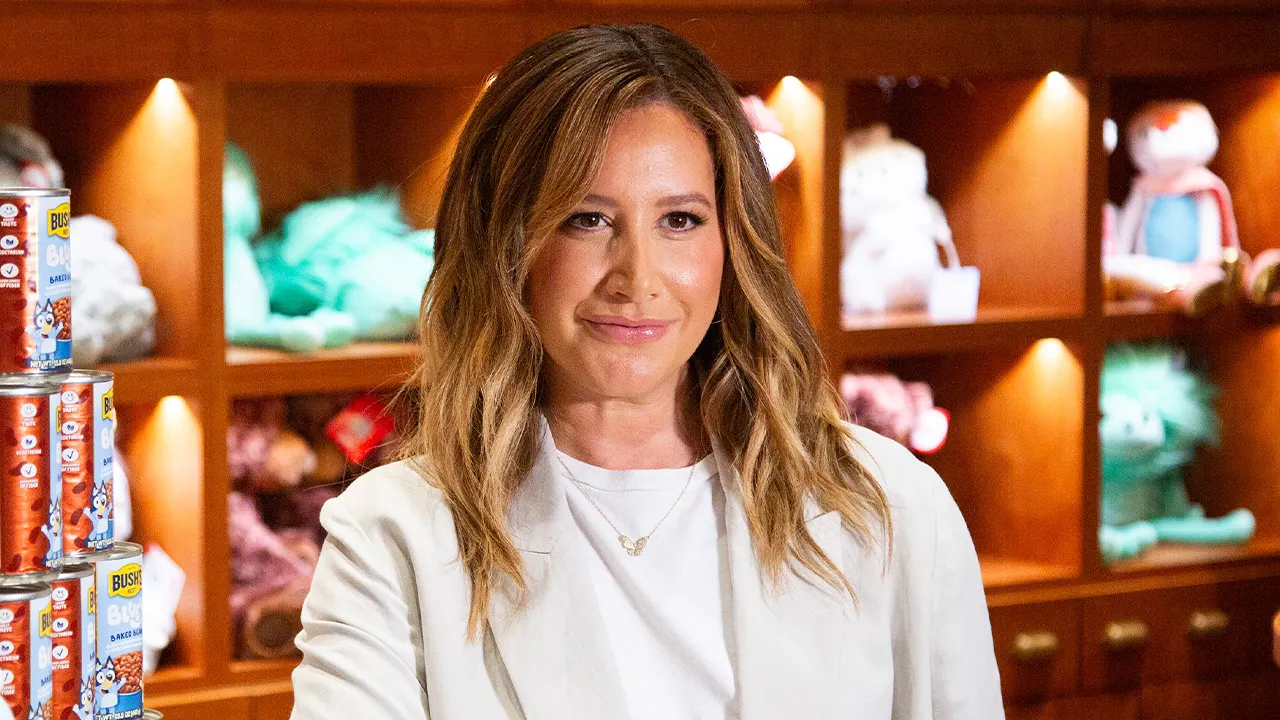
The timing of the op-ed's release, on October 10, 2024, coincides with Tisdale's promotional activities for her latest venture, though she has kept a lower profile since welcoming Emerson in 2023. She was recently spotted at the Bluey Baked Beans Campaign Kickoff on May 14, 2025, in New York City, engaging with family-oriented events that contrast sharply with her mom group woes. This public appearance, captured by photographers, showed her smiling alongside her daughters, a visual reminder of the joys she focuses on post-exit from the group.
Beyond her personal story, Tisdale offers advice to other mothers navigating similar situations. "Motherhood has enough challenges without having to wonder if the people around you are on your side," she asserted. "You deserve to go through motherhood with people who actually, you know, like you. And if you have to wonder if they do, here’s the hard-earned lesson I hope you’ll take to heart: It’s not the right group for you. Even if it looks like they’re having the best time on Instagram."
This hard-earned wisdom comes from someone who has learned it the hard way, emphasizing authenticity over appearances in building support networks.
As Tisdale moves forward, her op-ed serves as a catalyst for reflection in parenting circles. Organizations like Postpartum Support International have reported increased inquiries about social isolation since the pandemic, with virtual and in-person groups evolving to prioritize inclusivity. For Tisdale, the episode appears closed; she has since found fulfillment in smaller, more genuine connections, including family time and professional collaborations. Her story reminds readers that even stars like the former Disney darling aren't immune to the everyday heartaches of raising children, reinforcing the human side of celebrity life.
In the end, Tisdale's decision to "break up" with the group underscores a empowering message: prioritizing mental well-being over forced belonging. As motherhood continues to evolve with societal shifts, tales like hers may encourage more women to seek out—or create—communities that truly uplift, free from the shadows of exclusion.