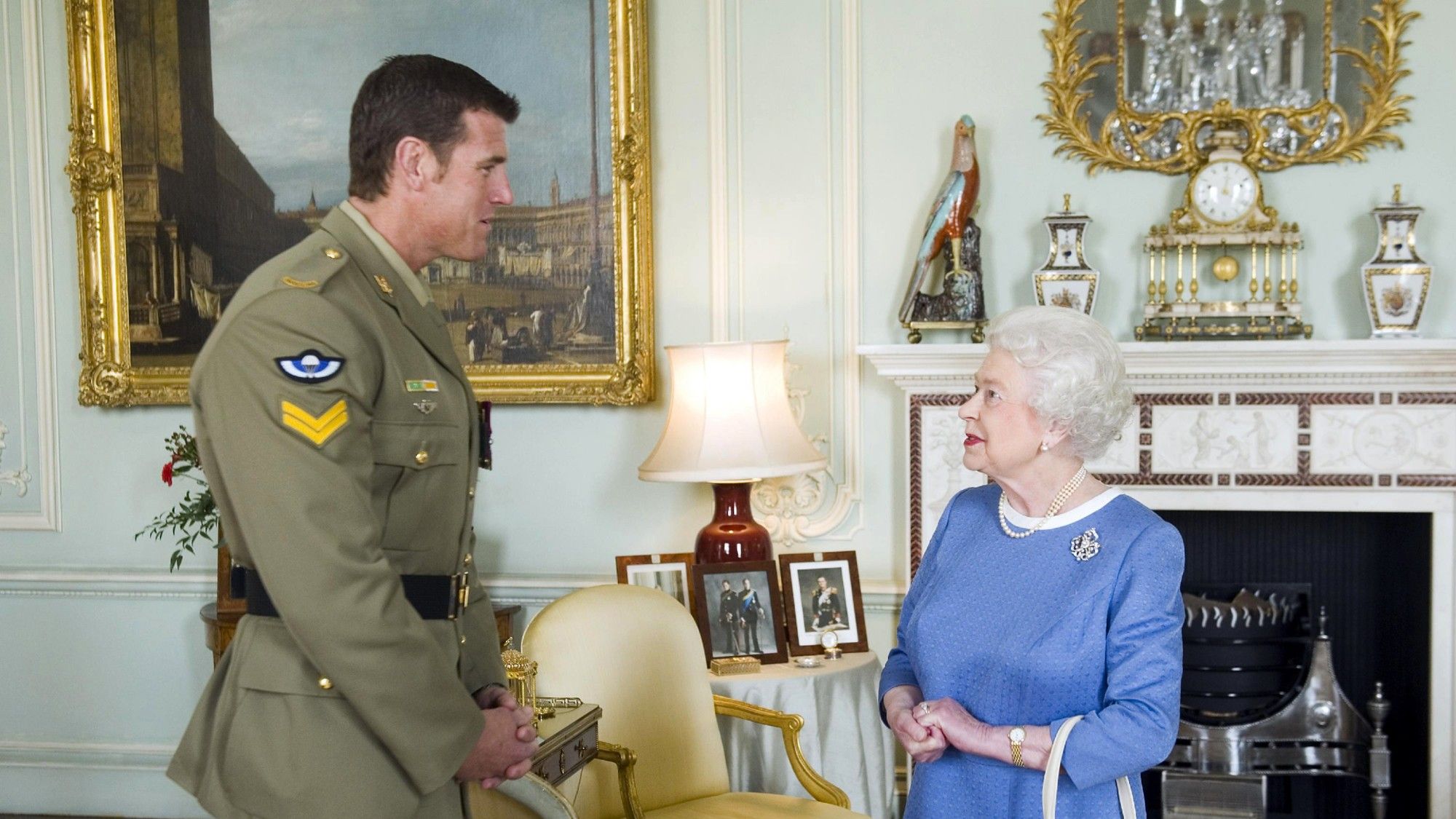
SYDNEY, Australia — Ben Roberts-Smith, once hailed as Australia's most decorated living veteran, was arrested on Tuesday and formally charged with war crimes related to the alleged murders of unarmed Afghan civilians during his service in the country's elite Special Air Service Regiment. The charges, presented in a Brisbane court on Wednesday, include two counts of war crime — murder and three counts of abetting such crimes, stemming from incidents between 2009 and 2012 when Roberts-Smith served as a patrol commander in Afghanistan.
According to court documents, the allegations center on the killings of five unarmed Afghan men who were under the control of Australian forces and not engaged in hostilities at the time. Australian Federal Police Commissioner Krissy Barrett emphasized the gravity of the case in a statement, saying the victims were "unarmed, under the control of the Australian military and not taking part in hostilities at the time of their alleged murder." The maximum penalty for each murder charge is life imprisonment, marking a stark fall from grace for a soldier who received the Victoria Cross, Australia's highest military honor, for bravery in 2011.
Roberts-Smith, 45, has consistently denied all wrongdoing, according to the Australian Broadcasting Corporation. His legal team has not yet commented publicly on the charges, but the veteran has long maintained that the accusations are fabrications aimed at undermining his service. The arrest comes after years of scrutiny, including a high-profile defamation trial that ended in 2023, where Roberts-Smith unsuccessfully sued three major Australian newspapers — The Sydney Morning Herald, The Age, and The Canberra Times — for articles published in 2018 that accused him of involvement in unlawful killings.
Those 2018 reports, which shattered Roberts-Smith's public image, detailed alleged atrocities during Australian operations in Uruzgan province, Afghanistan. The New York Times described how the revelations "shattered" his reputation as a national hero, noting that the defamation case became one of the longest and most expensive in Australian history, lasting over 100 days in court. Justice Anthony Besanko ruled against Roberts-Smith, finding that the newspapers had proven their claims on the balance of probabilities, including allegations that he ordered the execution of a handcuffed prisoner and kicked a prosthetic-legged man out of a helicopter.
The Associated Press reported that Roberts-Smith is only the second Australian veteran from the Afghanistan campaign to face war crime charges, following the 2021 indictment of Oliver Schultz, a former SAS soldier accused of similar offenses. The Afghanistan war, which lasted from 2001 to 2021 and involved over 39,000 Australian troops, has been plagued by revelations of misconduct within special forces units. A 2020 government inquiry, known as the Brereton Report, found credible evidence of 39 unlawful killings by Australian forces, prompting calls for accountability and leading to the disbandment of some SAS squadrons.
In the context of that inquiry, Roberts-Smith's case stands out due to his prominence. Awarded the Victoria Cross for single-handedly assaulting a Taliban machine-gun post in 2012, he became a symbol of Australian valor, authoring books and appearing in media as a motivational speaker. However, witnesses in the defamation trial, including fellow soldiers, provided testimony that contradicted his accounts, alleging a culture of brutality in the SAS where unlawful killings were covered up as combat deaths.
Commissioner Barrett's statement underscored the investigative process, which involved collaboration between the Australian Federal Police and the Office of the Special Investigator, established in 2021 specifically to probe war crime allegations from Afghanistan. "This is a significant milestone in our ongoing commitment to accountability," Barrett said, though she did not elaborate on specific evidence presented in court. The charges specify incidents in 2009, 2012, and another year within the 2009-2012 timeframe, with the five victims identified only by their nationalities and circumstances in public documents.
Roberts-Smith was taken into custody in Perth, Western Australia, on Tuesday afternoon local time, following a warrant issued by Queensland authorities, where the trial is expected to proceed. He appeared briefly in Brisbane Magistrates Court on Wednesday via video link, did not enter pleas, and was granted bail with conditions including surrendering his passport and reporting to police weekly. His next court date is set for October 2024, potentially marking the start of a trial that could last months.
Legal experts have described the prosecution as potentially the "most consequential military prosecution" in Australian history, according to The New York Times. The case could set precedents for how Australia handles war crimes allegations, especially given the international scrutiny on Western forces' conduct in Afghanistan. Human rights groups, such as Human Rights Watch, have welcomed the charges, with a spokesperson stating that they represent "a vital step toward justice for Afghan victims and deterrence against future abuses."
Roberts-Smith's supporters, including some veterans' organizations, have expressed concern over the impact on military morale. In a 2023 statement after the defamation loss, the Victoria Cross and George Cross Association, of which Roberts-Smith is a member, called for a fair process, arguing that the allegations risk tarnishing all who served. However, anti-war advocates point to the Brereton Report's findings that up to 25 SAS personnel may have been involved in a "warrior culture" that glorified violence, leading to systemic failures in oversight.
The broader implications extend to Australia's military alliances, particularly with the United States and NATO partners who fought alongside in Afghanistan. The U.S. has pursued its own investigations into similar allegations against American special forces, with several convictions under the Military Commissions at Guantanamo Bay. Australian officials have stressed that the charges are not politically motivated but part of a transparent effort to uphold international law, as required by the Rome Statute of the International Criminal Court, to which Australia is a signatory.
As the case unfolds, it will likely reignite debates over the moral costs of counterinsurgency warfare. Roberts-Smith's story, from celebrated hero to accused war criminal, encapsulates the complexities of modern conflict, where acts of bravery coexist with allegations of excess. Families of the alleged victims, who have waited over a decade for accountability, may finally see some measure of justice, though Afghan officials have criticized the slow pace of prosecutions.
Looking ahead, the trial could influence ongoing reforms within the Australian Defence Force, including enhanced training on the laws of armed conflict and independent oversight of special operations. Prime Minister Anthony Albanese's government has committed to implementing all Brereton recommendations, but critics argue more needs to be done to support whistleblowers who risked their careers to expose the truth. For now, Roberts-Smith remains free on bail, preparing what promises to be a fiercely contested defense in a courtroom battle that mirrors the intensity of the war that defined his career.
The developments have drawn international attention, with outlets like the BBC and Reuters covering the story as a test of Australia's commitment to human rights. As one analyst noted in The Guardian, "This isn't just about one man; it's about reckoning with a nation's role in a forever war." The outcome could reshape how Australia honors its veterans and confronts its past.