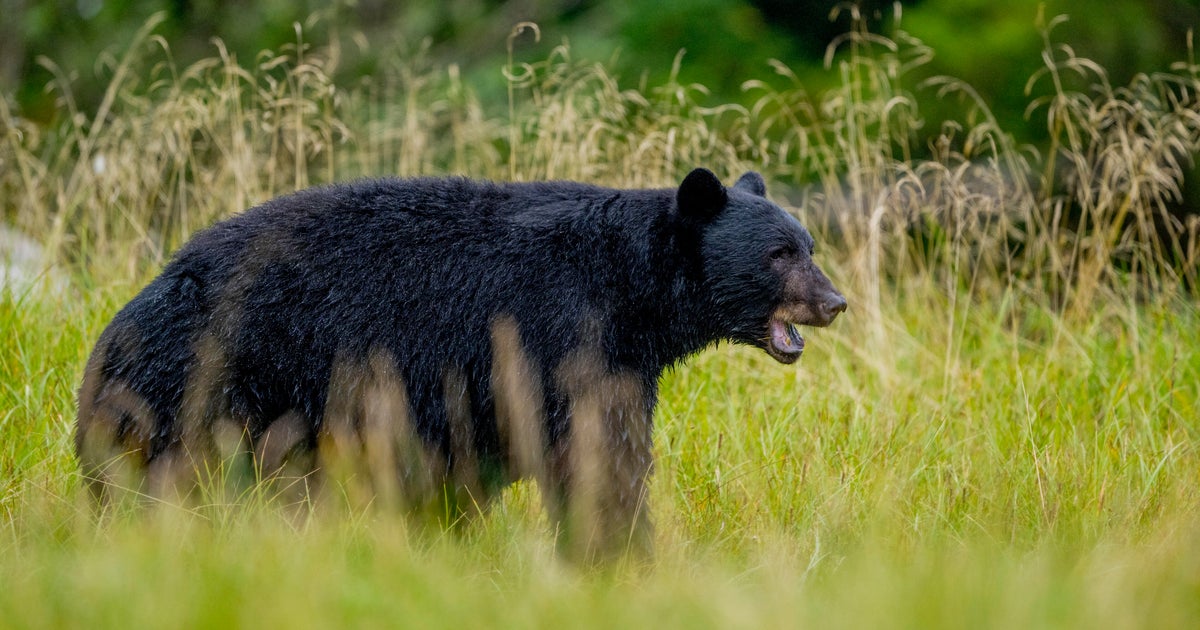
Toronto, Ontario — A tragic black bear attack in northern Saskatchewan has claimed the life of a 27-year-old worker at a remote uranium exploration site, prompting the shutdown of operations at the facility and drawing attention to the risks of wildlife encounters in Canada's vast wilderness.
The incident occurred over the weekend, approximately 53 miles northeast of Points North Landing in central Saskatchewan, according to the province's Ministry of Community Safety. The victim, an independent contractor for Vancouver-based UraniumX Discovery Corp., was working at the company's Zoo Bay property when he encountered the bear. Local authorities confirmed the details in a statement, noting that the regional conservation service's Wildlife Human Attack Response Team is actively investigating the matter.
"Our thoughts are with his family, friends, and loved ones during this difficult time," the ministry said in its statement to CBS News. The black bear involved was euthanized by a civilian at the scene before officers arrived, and the animal was subsequently transported to a regional veterinary college for a necropsy to determine more about the attack.
UraniumX Discovery Corp., which focuses on uranium exploration and acquisition, expressed profound sorrow in a statement posted on its website. "We are deeply saddened by this tragic loss. Our thoughts and deepest condolences go out to the family, friends, and colleagues of the deceased," said CEO Esen Boldkhuu. "The safety and well-being of our employees, contractors, and all personnel working on our projects is, and will always remain, our highest priority."
As a direct result of the attack, all field operations at the Zoo Bay property have been paused indefinitely while the investigation continues, the company announced. This precautionary measure underscores the challenges of operating in remote, bear-populated areas where industrial activities intersect with wildlife habitats.
According to reports from CBC News, Canada's public broadcaster and a partner of CBS News, the victim had immigrated to Canada from India just three years prior. His brother, speaking to CBC, shared details about the young man's journey and the shock of the sudden loss, though specific names were not disclosed in the coverage to respect the family's privacy during this period of grief.
The timing of the attack coincided with a provincial government advisory issued on the same day, urging Saskatchewan residents to remain vigilant about bears foraging for food near homes and campsites. "Black bears are intelligent and ruled by their stomachs. Limiting attractants is the most effective way to reduce these interactions," authorities warned in the reminder, highlighting the seasonal increase in bear activity as animals prepare for winter.
Experts emphasize that fatal bear attacks in Saskatchewan are exceedingly rare. Douglas Clark, a professor at the University of Saskatchewan's School of Environment and Sustainability who specializes in human-bear interactions, told CBC that the last such incident in the province occurred six years ago. "And you have to go quite a few years earlier before you find the next ones in the record," Clark added, pointing to historical data that shows these events are infrequent despite the province's large bear population.
Clark's assessment aligns with broader patterns across North America, where black bears—North America's most common bear species—typically avoid human contact unless provoked or habituated to food sources. In Saskatchewan alone, the province is home to an estimated 30,000 to 40,000 black bears, many inhabiting the boreal forests and remote northern regions where mining and exploration activities are concentrated.
The UraniumX facility at Zoo Bay is part of a growing wave of uranium exploration in the Athabasca Basin, a globally significant uranium-rich area in northern Saskatchewan that supplies a substantial portion of the world's nuclear fuel. Companies like UraniumX are ramping up operations amid renewed interest in nuclear energy as a low-carbon alternative, but such projects often require workers to operate in isolated settings far from immediate help.
This attack comes amid a spate of bear-related incidents elsewhere. Just last week, authorities in Montana's Glacier National Park determined that a missing hiker's death was likely due to a bear mauling, marking another grim reminder of the dangers in bear country. Park officials there recovered remains showing signs of predation, and a subsequent search confirmed the cause, leading to heightened safety protocols for visitors.
Globally, human expansion into bear territories is exacerbating encounters. In Japan, for instance, a record number of fatal bear attacks last year prompted a surge in demand for robotic wolves designed to deter wildlife. A company producing these lifelike deterrents reported being swamped with orders, as rural communities seek non-lethal solutions to protect against increasingly bold bears pushed closer to human settlements by habitat loss and food scarcity.
Back in Saskatchewan, conservation officials are using this incident to reinforce education efforts. The Ministry of Environment has long promoted bear-aware practices, such as securing garbage and food waste, traveling in groups, and carrying bear spray in remote areas. While the euthanized bear's necropsy results are pending, preliminary reports suggest it may have been drawn to the site by easy food sources, though no official cause has been confirmed.
As the investigation unfolds, UraniumX has committed to reviewing its safety protocols, potentially implementing enhanced wildlife mitigation measures like electric fencing or increased patrols at future sites. The company, which acquired the Zoo Bay project as part of its expansion strategy, now faces not only operational delays but also questions about risk management in high-stakes environments.
For the victim's family and colleagues, the loss serves as a poignant human story amid the industrial backdrop. Arriving in Canada with dreams of opportunity, the 27-year-old's life was cut short in a place symbolizing both resource wealth and natural peril. Community leaders in Points North Landing, a small hub for northern workers, have offered condolences, with local Indigenous groups emphasizing the need for balanced development that respects traditional lands and wildlife.
Looking ahead, experts like Clark predict that as mining intensifies in bear habitats, proactive strategies will be crucial to prevent future tragedies. "These interactions are manageable with the right precautions," he noted, advocating for collaborative efforts between industry, government, and conservationists. For now, the pause at Zoo Bay allows time for reflection, ensuring that operations resume only when safety is assured.
In a province where the uranium industry employs thousands and contributes billions to the economy, this incident highlights the fragile balance between progress and preservation. As autumn progresses and bears grow hungrier, Saskatchewan residents and workers alike are heeding the call to coexist more cautiously with the province's wild inhabitants.