In a significant move to safeguard athletes amid the growing pains of legalized sports betting, BetMGM announced the launch of its new Athlete Anti-Harassment Policy this week, adopting a zero-tolerance approach to customer conduct that threatens or abuses sports figures. The policy empowers the major sportsbook operator to suspend or permanently ban accounts of bettors found engaging in abusive, threatening, defamatory, or harassing behavior toward athletes, coaches, officials, or anyone connected to sporting events. This initiative, detailed in an exclusive interview with Fox News Digital, comes as players across professional leagues voice increasing concerns over online vitriol linked to gambling losses.
Rhea Loney, BetMGM's chief compliance officer, emphasized the policy's intent during the interview, stating, "Harassment of athletes being tied to betting outcomes is not something any of us should accept. Athletes under criticism, you know, that comes with the job. But when it comes to threats, abuse, intimidation, that's just different. And threats, abuse, intimidation, and harassment, they harm individuals. They undermine the integrity of sport." Loney highlighted how social media has amplified the issue, providing fans and bettors unprecedented access to players, often leading to personal attacks unrelated to fair play.
The policy's rollout follows a surge in reported incidents, particularly as sports betting expands across the U.S. following the 2018 Supreme Court decision that struck down a federal ban. In states like Nevada, New Jersey, and Michigan where BetMGM operates, the company has seen firsthand the intersection of passionate fandom and problematic behavior. Loney noted that the policy formalizes existing authority under terms of service but makes the stance explicit to deter misconduct. "We wanted to make this much more explicit," she said, "and so, you know, while we do have the general ability to have suspensions in our prior terms of service, what we wanted to say, and we wanted to say to the fan base, to the sports bettors out there, is we really want to emphasize that this is zero-tolerance."
One prominent example underscoring the need for such measures involves Boston Red Sox pitcher Lucas Giolito. Over the summer, Giolito raised the issue directly with MLB Commissioner Rob Manfred, citing a spike in harassing messages tied to prop bets—wagers on specific player performances like strikeouts. In a July appearance on the "Baseball isn’t Boring" podcast, Giolito described the phenomenon: "When it comes to the gambling, it obviously has created an uptick in insane people online—well, not insane, just disgruntled. I’m getting messages after every game, even games where I pitch well where they’re made at me because I hit the strike out over instead of being under, or I was under instead of being over like prop bets—all these crazy things. And people put hundreds of dollars on it, and they don’t have a lot of money, but they're gambling it anyways because it's a disease. They freak out."
Giolito's experience is far from isolated. In May, Houston Astros pitcher Lance McCullers Jr. and his family received death threats from a bettor who had lost money on a wager involving the player. Texas police identified the suspect, a man overseas who was reportedly inebriated at the time, through social media posts. The Astros promptly hired security for McCullers and his family. Speaking to The Associated Press at the time, McCullers recounted the emotional toll, particularly on his young daughter: "She asked me when I came home, ‘Daddy, like, what is threats? Who wants to hurt us? Who wants to hurt me?’ So, those conversations are tough to deal with." The incident, which occurred amid the 2023 season, highlighted the real-world dangers of unchecked online rage fueled by betting disappointments.
BetMGM's policy explicitly targets these scenarios, regardless of whether the harassment occurs online, via direct messages, social media, or in person. Loney clarified the boundaries: "We're going to investigate this, and we're going to look at the conduct being reported to us. And I think there is a clear line—there's a clear line between fandom excitement and then there's a clear line between when it's threats of violence and when there's racial slurs or when the fans are then saying horrible things to athletes because of a certain score in a game. That's not going to be tolerated by us." The company aims to root out such individuals from its platform, as Loney added, "And those are going to be the individuals that we're going to take action against, and we don't want them on our sports betting platform. We don't want them to be a customer of ours because they are undermining the integrity of the game."
To enforce the policy, BetMGM relies on a multi-channel reporting system. Complaints can be submitted to law enforcement, state regulators, the company's customer service, or an anonymous hotline. Once received, investigators use robust Know Your Customer (KYC) procedures—mandatory for legal betting—to match reports with account details like names, addresses, and emails. "We, as the legal market, know a lot of information about our customers because they have to go through very extensive KYC procedures," Loney explained. In severe cases, BetMGM collaborates with regulators and law enforcement, potentially escalating threats beyond internal sanctions.
This approach aligns with broader industry efforts to protect sports integrity. In June, NCAA President Charlie Baker urged state lawmakers to ban prop betting altogether, arguing it poses unique risks to college athletes. "Protect the integrity of the game," Baker said in testimony, echoing concerns about harassment and match-fixing temptations. While BetMGM's policy focuses on professional and amateur sports alike, it stops short of advocating for betting restrictions, instead emphasizing accountability within the regulated market.
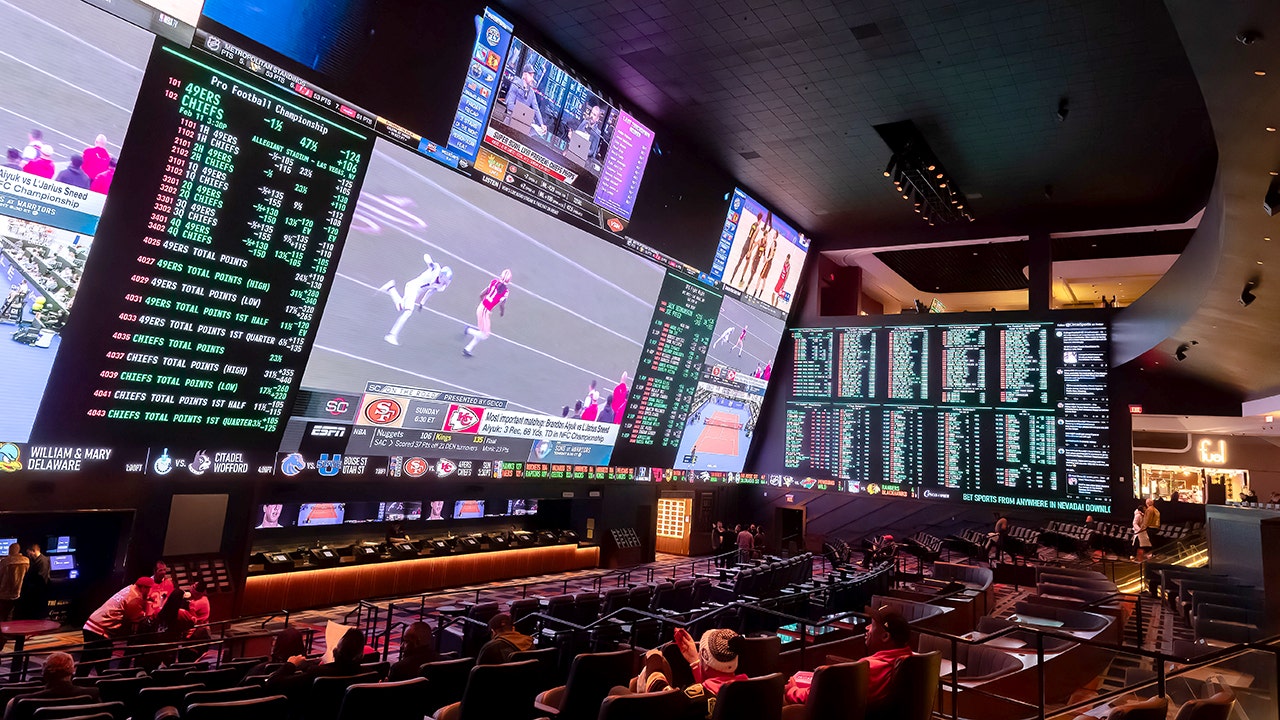
The timing of the announcement, just ahead of the NFL season and with the Super Bowl LVIII still fresh in memory from February 2024 at Allegiant Stadium in Las Vegas, underscores the policy's relevance. The Circa Resort & Casino sportsbook there buzzed with activity during the event, symbolizing the booming $10 billion-plus industry. Yet, as betting apps make wagers as easy as a smartphone tap, the dark side—harassment—has grown proportionally. Players in leagues like MLB, NBA, and NFL have reported similar upticks, with some unions pushing for league-wide protections.
Critics of expanded sports betting, including some player advocates, argue that policies like BetMGM's are reactive rather than preventive. They point to the addictive nature of gambling, which Loney herself acknowledged indirectly through Giolito's podcast remarks labeling it a "disease." However, industry representatives maintain that regulated operators like BetMGM, which operates in 20 states, are better positioned to monitor and mitigate issues than offshore, unregulated sites. No conflicting reports emerged from other sportsbooks, though competitors like DraftKings and FanDuel have similar general conduct rules without the athlete-specific focus announced here.
Looking ahead, Loney stressed the policy's role in fostering respect: "We shifted it to make sure that it was clear that this isn't going to be something that we'll tolerate and to send that message out to fans and sports bettors and also really to promote integrity within our industry, promote respect, integrity and to deter this type of conduct that's been occurring." As the 2024-2025 sports calendar unfolds, with MLB playoffs in October and NBA training camps starting soon, the effectiveness of such measures will be tested. Leagues and teams may increasingly partner with betting firms for joint enforcement, potentially setting a precedent for the entire sector.
While BetMGM leads with this explicit policy, the onus remains shared. Players like Giolito and McCullers continue to navigate the pressures, hoping deterrents like account bans reduce the volume of threats. For now, the message is clear: crossing the line from fan passion to personal harm will no longer be overlooked in the high-stakes world of sports betting.