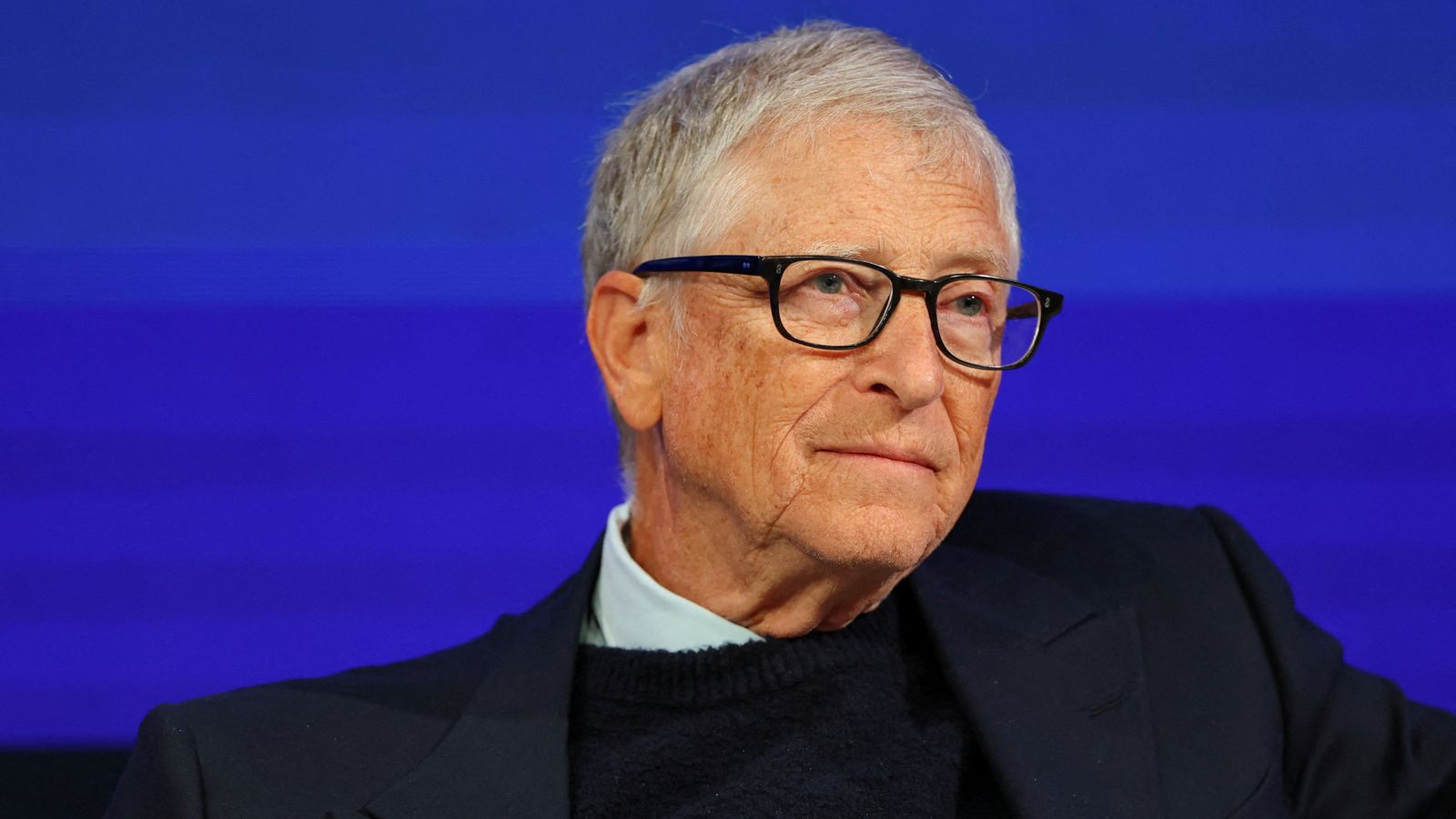
In a last-minute twist that has cast a shadow over India's ambitious push into artificial intelligence, Microsoft co-founder Bill Gates has withdrawn from the keynote address at the Indian AI Impact Summit, just hours before he was set to take the stage alongside some of the world's most prominent leaders and tech executives.
The summit, held in New Delhi on Thursday, February 19, 2026, was intended to position India as a global powerhouse in AI innovation. Organizers had billed it as a showcase of the country's technological prowess, drawing high-profile attendees including Indian Prime Minister Narendra Modi, French President Emmanuel Macron, Google CEO Sundar Pichai, and OpenAI CEO Sam Altman. Gates' participation was seen as a major coup, with his scheduled speech on the inauguration day expected to highlight AI's potential in health, development, and climate action.
However, the event has been plagued by a series of controversies that appear to have contributed to Gates' abrupt decision. Reports of mismanagement have surfaced, including logistical inconveniences for delegates, exhibitors, and the public stemming from extensive security sweeps. One particularly embarrassing incident involved Galgotias University, which allegedly made false claims about developing a Chinese 'robodog' technology. The institution later issued an apology, attributing the error to a misunderstanding.
The withdrawal was announced via a social media post from the Bill & Melinda Gates Foundation shortly before the summit's opening. "After careful consideration, and to ensure the focus remains on the AI summit's key priorities, Mr Gates will not be delivering his keynote address," the statement read. It added, "The Gates Foundation remains fully committed to our work in India to advance our shared health and development goals." As recently as Wednesday, the foundation had confirmed Gates' attendance, stating, "Bill Gates is attending the AI Impact Summit. He will be delivering his keynote as scheduled."
Gates' decision comes amid renewed scrutiny over his past associations, particularly following the U.S. Justice Department's release last month of emails, photographs, and documents detailing his interactions with convicted sex offender Jeffrey Epstein. The materials, made public as part of ongoing legal proceedings, revealed multiple meetings between the two men between 2011 and 2013. Gates has consistently maintained that their relationship was limited to discussions on philanthropy and that associating with Epstein was a regrettable mistake.
"It was a mistake for me to meet with him," Gates said in a previous statement, emphasizing that the encounters were focused on potential charitable initiatives rather than anything personal or illicit. The Epstein revelations have dogged Gates for years, but the recent document dump has reignited public and media interest, potentially amplifying the risks of his high-visibility appearance at the summit.
India's AI ambitions have been a cornerstone of Prime Minister Modi's economic agenda, with the government investing heavily in research, infrastructure, and international partnerships. The AI Impact Summit was envisioned as a platform to foster collaborations and demonstrate India's readiness to lead in ethical AI development. Experts note that events like this are crucial for emerging economies seeking to attract investment and talent in a field dominated by the U.S. and China.
Despite the setbacks, the summit proceeded with its roster of speakers intact minus Gates. Prime Minister Modi opened the event with remarks on India's role in shaping a responsible AI future, according to reports from the scene. French President Macron, attending virtually due to scheduling conflicts, praised the initiative as a "beacon for global cooperation." Sundar Pichai and Sam Altman were expected to address topics ranging from AI ethics to practical applications in healthcare and education.
The Galgotias University controversy added to the pre-summit buzz. An official from the institution had claimed during promotional materials that the university had pioneered the 'robodog'—a quadruped robot originally developed by Chinese firm Unitree Robotics. The claim drew swift backlash for misrepresenting foreign technology as homegrown. In a statement, Galgotias University apologized, saying, "We regret the misunderstanding and are committed to accurate representation of our innovations." Organizers of the summit distanced themselves from the incident, calling it an isolated error by an exhibitor.
Security measures at the venue, the India International Convention Centre in New Delhi, were notably stringent, leading to complaints from attendees. Delegates reported delays of up to two hours for bag checks and metal detectors, while public access to side events was curtailed. One exhibitor, speaking on condition of anonymity, described the atmosphere as "chaotic," with last-minute changes disrupting booth setups. Indian officials attributed the precautions to the presence of heads of state, insisting they were necessary for safety.
Gates' absence is particularly poignant given his longstanding ties to India. The Gates Foundation has poured billions into the country over the past two decades, funding initiatives in vaccination drives, sanitation, and agricultural innovation. In recent interviews, Gates has spoken optimistically about AI's role in accelerating these efforts. "AI will make it easier to combat climate change but must be 'used by people with good intent,'" he said in a separate discussion last year. His withdrawal statement reaffirmed this commitment, signaling no broader rift with Indian partners.
The Epstein connection, while not directly cited in the foundation's announcement, looms large in media coverage. The U.S. Justice Department's files included emails showing Gates and Epstein brainstorming ideas for a multibillion-dollar charitable fund, as well as photos from social gatherings. Gates' ex-wife, Melinda French Gates, has previously cited the Epstein meetings as a factor in their 2021 divorce. Philanthropy experts suggest that in today's hyper-connected world, such associations can quickly overshadow even the most positive endeavors.
For the AI Impact Summit, Gates' pullout represents a symbolic blow. Analysts point out that while the event will still generate significant buzz, the absence of one of AI's most influential voices could temper its international impact. "India needs these endorsements to build credibility," said one tech policy expert, who requested anonymity. "The controversies might make potential partners think twice."
Looking ahead, the summit is set to continue through Saturday, with panels on AI governance, workforce implications, and sustainable development. Organizers have not commented further on Gates' withdrawal, but sources close to the event suggest they were informed only hours in advance. Meanwhile, Gates has accelerated his plans to distribute his vast fortune through philanthropy, a process he discussed in recent profiles where he quipped that if born today, he might be diagnosed with autism due to his intense focus.
As India navigates its AI journey, this episode underscores the challenges of hosting global spectacles amid domestic and international pressures. The Gates Foundation's enduring work in the country offers some reassurance, but the summit's tarnished start serves as a reminder that perception can be as critical as innovation in the race for technological leadership.