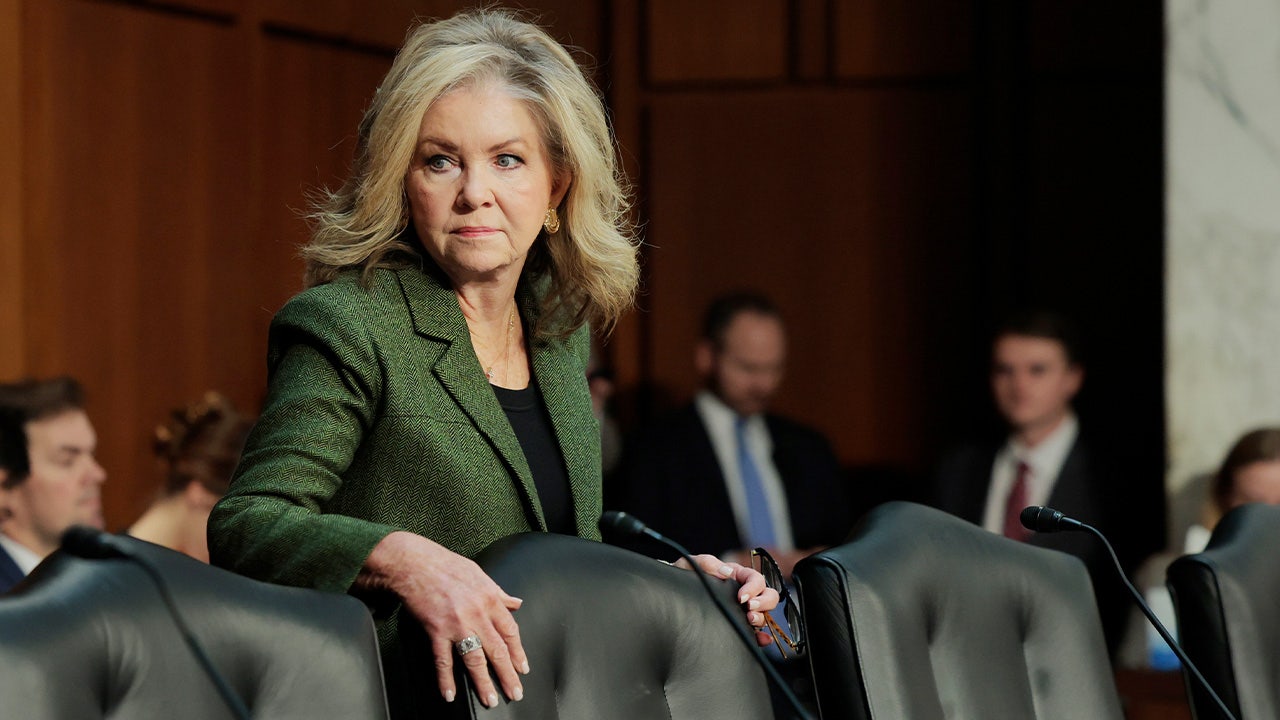
Sen. Marsha Blackburn, a Republican from Tennessee, has called on the Internal Revenue Service to investigate whether Planned Parenthood affiliates are jeopardizing their tax-exempt status by offering cosmetic services such as Botox injections. In a letter dated March 26, Blackburn urged IRS officials to examine the practices of organizations like Planned Parenthood Mar Monte, the largest affiliate in Northern California, which has launched a dedicated aesthetics program amid ongoing funding challenges.
The letter, addressed to Robert Malone, director of Exempt Organizations and Government Entities at the IRS, highlights reports that Planned Parenthood affiliates are expanding into elective procedures like neurotoxin injections and fillers to attract new clients and stabilize revenue. Blackburn described this shift as a departure from the organization's core mission as a charitable health care provider, potentially violating rules for 501(c)(3) tax-exempt entities.
"I write to draw your attention to a concerning article describing—and in some respects even promoting—efforts by Planned Parenthood affiliates to ‘attract a new clientele’ by offering neurotoxin injections similar to Botox and other aesthetic treatments while operating as tax-exempt 501(c)(3) charitable organizations," Blackburn wrote in the letter, which was obtained exclusively by Fox News Digital.
Planned Parenthood Mar Monte, headquartered in San Jose and operating 30 centers across California and Nevada, announced the new services in a March interview with KCRA News. Dr. Laura Dalton, the affiliate's chief medical officer, explained that Botox treatments would be available at $9 per unit—lower than the $12 or $15 typically charged at medical spas—and that nitrous oxide, or laughing gas, would be offered for pain management.
Dalton emphasized the financial benefits for supporters, stating, "If you were going to get this service anyways, and you want to support Planned Parenthood, why not do it together?" She portrayed the expansion as a way to provide another avenue for backing the organization's work while meeting patient demands for aesthetic services.
Blackburn's concerns stem from recent federal funding restrictions that have strained Planned Parenthood's budget. She referenced the Working Families Tax Cut Act, also known as Public Law 119-21, which imposed limits on federal Medicaid funding for tax-exempt community abortion providers. According to Blackburn, this has prompted affiliates to seek alternative revenue streams, including cosmetics, to bridge financial gaps.
"Let’s be clear what is actually occurring here," Blackburn wrote. "Planned Parenthood, in an effort to abuse its 501(c)(3) status, is appealing to the women’s beauty market after the Working Families Tax Cut Act imposed a restriction on federal Medicaid funding." She cited statements from Planned Parenthood Mar Monte President and CEO Stacy Cross, who acknowledged the move was necessary to "keep [our] doors open" and address an estimated $100 million revenue shortfall for the affiliate alone.
The senator's letter raises specific questions about IRS oversight of such activities. She asked for clarification on guidance provided to tax-exempt organizations offering elective cosmetic procedures, including how the agency determines if these generate unrelated business income that must be reported separately. Blackburn also inquired whether Planned Parenthood affiliates have filed such reports and requested any publicly available documentation.
Further, Blackburn probed safeguards to prevent federal funds or facilities from subsidizing these services. "Among other questions posted to the IRS, Blackburn also asked if there are safeguards that 'exist to ensure that federal funds, reimbursements, or federally supported facilities are not used—directly or indirectly—to subsidize elective cosmetic services offered by these or other affiliates?'" the letter states, according to reports.
Blackburn questioned whether the cosmetic offerings align with Planned Parenthood’s tax-exempt purpose of providing "crucial resources" and whether the IRS is reviewing additional state funding in light of these changes. She pressed for a determination on whether the new services fall within the organization's charitable scope.
This push comes against a backdrop of broader political battles over Planned Parenthood's funding. In February, California Gov. Gavin Newsom, a Democrat, signed legislation allocating $90 million in emergency funds to abortion providers after former President Donald Trump enacted prohibitions on federal support for such organizations. Earlier actions, including a 2019 appeals court ruling siding with the Trump administration on budget provisions cutting Planned Parenthood funds, have intensified scrutiny.
Younger GOP senators have also advocated for reinstating the "Protect Life Rule," which would block Title X funds from abortion clinics, underscoring ongoing partisan divides. Meanwhile, separate investigations, such as an Equal Employment Opportunity Commission finding that a Planned Parenthood affiliate segregated employees by race—leading to a $500,000 settlement in Illinois—have added to questions about the organization's operations.
Planned Parenthood has long defended its tax-exempt status, arguing that diverse services, including preventive care and education, align with its mission to provide affordable health care. Officials with Planned Parenthood Mar Monte told KCRA News that the aesthetics program builds on existing medical expertise, such as in dermatology and pain management, without detracting from core reproductive health services.
Fox News Digital reached out to the IRS and Planned Parenthood Mar Monte for comment but did not immediately receive responses. The IRS has not publicly addressed Blackburn's letter as of the latest reports. Planned Parenthood's national organization has historically pushed back against Republican-led probes, maintaining that its funding and activities comply with all federal regulations.
The investigation could have significant implications for how tax-exempt health organizations diversify revenue amid policy shifts. If the IRS finds unrelated business activities, it might require additional tax filings or even jeopardize exemptions, potentially affecting funding and operations nationwide. As debates over reproductive rights and federal spending continue, Blackburn's call highlights persistent tensions between conservative lawmakers and abortion providers.
For now, Planned Parenthood Mar Monte proceeds with its aesthetics program, aiming to serve clients in Sacramento, Reno, and other locations while navigating financial pressures. The outcome of the IRS review, if pursued, may set precedents for similar expansions by nonprofit health entities.