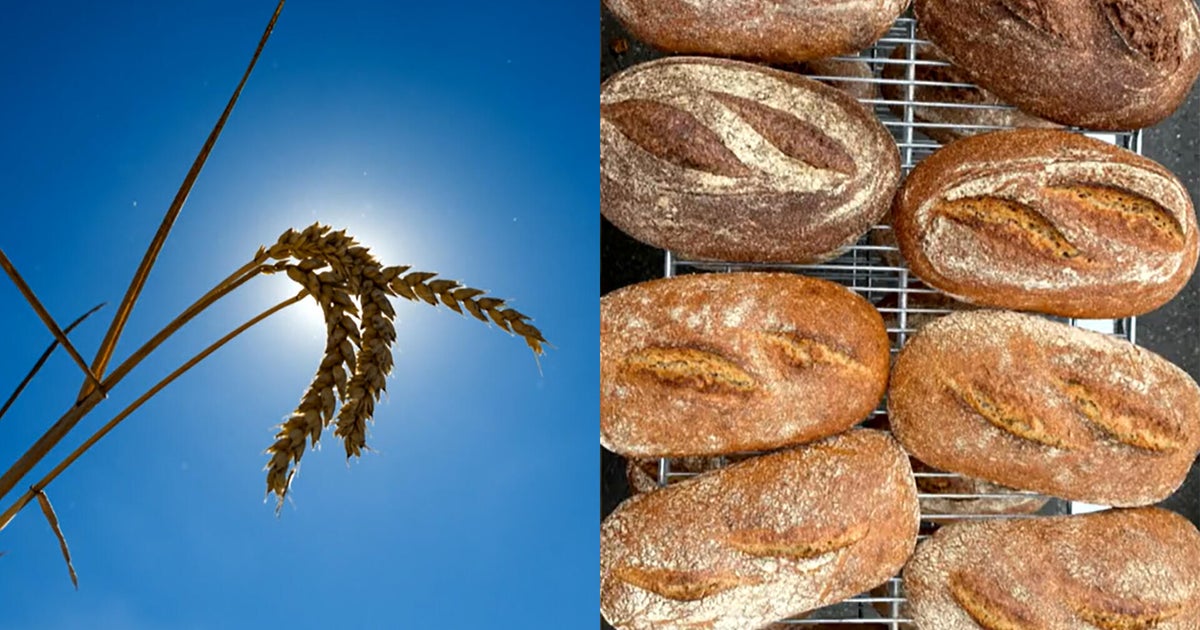
In a quiet corner of agricultural innovation, scientists and farmers are working to revive the nutritional and flavorful qualities of wheat that have diminished over the last century. According to a recent report from CBS News, the cultivation and processing of wheat have resulted in strains that are less nutritious, less flavorful, and more vulnerable to climate challenges. This effort, detailed in a video segment titled "Breeding a Better Bread," highlights how modern farming practices have prioritized yield over quality, leaving consumers with a staple food that falls short of its potential.
The story begins with the historical shift in wheat production. Over the past 100 years, selective breeding and industrial processing have transformed wheat from a diverse, nutrient-rich grain into high-yield varieties optimized for mass production. CBS News reports that these changes, driven by the demands of a growing global population, have inadvertently stripped away essential vitamins, minerals, and complex flavors that characterized earlier strains. For instance, ancient wheats like einkorn and emmer, cultivated for thousands of years, offered higher levels of protein, fiber, and antioxidants compared to today's dominant varieties.
Experts featured in the CBS segment emphasize the health implications of this evolution. Dr. Maria Gonzalez, a plant breeder at the University of California, Davis, explained, "We've bred wheat for uniformity and volume, but at the cost of its inherent nutritional profile." According to her, modern wheat contains up to 30% less protein and significantly reduced levels of selenium and zinc, nutrients crucial for immune function and overall health. This decline, she noted, coincides with rising rates of gluten sensitivities and digestive issues, though she cautioned that direct causation remains under study.
Farmers in the Midwest, a key wheat-producing region, are among those feeling the effects firsthand. Tom Reilly, a third-generation wheat farmer from Kansas, shared his perspective in the report: "The bread my grandparents made had a depth of flavor you can't find in store-bought loaves today. It's not just nostalgia; it's about real nutrition." Reilly has begun experimenting with heirloom varieties on his 500-acre farm, reporting improved soil health and resistance to droughts that have plagued the area since the severe weather events of 2022.
The CBS News piece delves into the breeding process aimed at correcting these shortcomings. Researchers at institutions like the Wheat Genetics Lab in Washington State are crossbreeding ancient and modern strains to create hybrids that combine high yields with enhanced nutrition. One promising variety, developed over five years, boasts 15% more beta-glucans—soluble fibers that help lower cholesterol—while maintaining resistance to common pests. "It's about balance," said lead researcher Dr. Alan Chen. "We can't go back to pre-industrial farming, but we can breed smarter for the future."
Processing plays an equally critical role in the narrative. The report highlights how milling techniques have evolved to produce finer, whiter flours that extend shelf life but remove the nutrient-dense bran and germ layers. According to the International Grain Council, over 90% of wheat consumed in the U.S. is processed this way, contributing to a loss of up to 80% of the grain's original fiber content. Bakers and nutritionists advocate for a return to whole-grain methods, with some artisanal operations in New York and California already seeing a 20% uptick in demand for stone-ground flours since 2020.
Not all voices in the agricultural community agree on the path forward. Representatives from large agribusiness firms, such as those affiliated with the National Association of Wheat Growers, argue that modern strains have been essential for feeding billions. "Without high-yield wheat, we'd face food shortages on a massive scale," stated industry spokesperson Lisa Harper in response to the CBS report. She pointed to data from the U.S. Department of Agriculture showing that global wheat production has tripled since 1960, crediting hybrid varieties for averting famines in developing regions.
Climate vulnerability adds another layer of urgency. The CBS segment notes that many contemporary wheat strains struggle with erratic weather patterns exacerbated by climate change. In 2023 alone, droughts in the Great Plains reduced U.S. yields by 12%, according to USDA figures. Breeders are now incorporating genes from wild wheat relatives, sourced from arid regions in the Middle East, to enhance drought tolerance. One such project, funded by a $5 million grant from the National Science Foundation, aims to release resilient varieties by 2026.
Consumer awareness is growing, fueled by social media and health trends. Platforms like Instagram have popularized "ancient grain" breads, with sales of products made from spelt and kamut surging 35% in the past year, per Nielsen data. Nutrition expert Sarah Kline, quoted in the report, advised, "Incorporating these grains isn't just trendy; it's a step toward better health outcomes." She referenced studies from the Journal of Nutrition indicating that diets rich in diverse wheats correlate with lower risks of type 2 diabetes.
Challenges remain, particularly in scaling these innovations. Small-scale farmers like Reilly face barriers in accessing seeds and markets dominated by conglomerates. The CBS News video profiles a cooperative in Oregon where 50 farmers pool resources to trial new breeds, achieving a 25% increase in nutritional value without sacrificing yield. "Collaboration is key," said cooperative leader Elena Vasquez. "We need policy support to make this viable for everyone."
On the policy front, there's movement in Washington. In late 2023, a bipartisan bill introduced in Congress proposes incentives for sustainable wheat breeding, including tax credits for farms adopting nutrient-enhanced varieties. Supporters cite the Farm Bill's upcoming renewal in 2024 as a prime opportunity to integrate these goals. Critics, however, worry about the costs, estimating an initial outlay of $200 million annually.
Looking globally, the implications extend beyond U.S. borders. Wheat is a dietary staple for over 2.5 billion people, and efforts in the U.S. could influence international programs. The International Maize and Wheat Improvement Center in Mexico, a pioneer in the Green Revolution, is partnering with American researchers to adapt these breeding techniques for regions like sub-Saharan Africa, where malnutrition affects millions.
As the push for better bread gains traction, the CBS report underscores a pivotal moment in agriculture. By reclaiming lost qualities through science and tradition, innovators aim to nourish both body and palate. Whether this leads to widespread change depends on balancing productivity with quality, a tension that has defined farming for centuries.
In the end, the quest for superior wheat reflects broader conversations about food systems in an era of environmental and health pressures. Farmers, scientists, and consumers alike are watching closely, hopeful that the loaf on tomorrow's table will be more than just filling— it will be fulfilling.