By Michael Thompson, The Appleton Times
CALGARY, Alberta — The Calgary Public Library is pressing ahead with plans for an innovative artist residency program focused on artificial intelligence, despite vocal opposition from Mayor Jeromy Farkas and some community members who argue it undermines local talent. Announced earlier this month, the program seeks a 'Artificial Collaborative Artist' to explore AI's role in creative processes, offering up to $8,000 in compensation over a 10-week period this summer.
The residency, running from June 29 to September 4, invites applications from artists in any discipline with a connection to Calgary who incorporate AI technology ethically into their work. According to the library's call for proposals, the selected artist will receive $50 per hour, with the total payout capped at $8,000 based on hours worked. The application deadline is April 7, and interested parties can find more details on the library's website at www.calgarylibrary.ca.
Mary Kapusta, the library's executive director of community and engagement, defended the initiative in an email statement on Thursday, emphasizing its relevance in an increasingly AI-driven world. "As AI becomes more prevalent in our community, there is a public need to help Calgarians navigate the opportunities and challenges it presents," Kapusta wrote. She added that the program is designed for a human artist to probe the technology's implications for creativity and art, using AI 'responsibly and ethically as part of their process.'
Kapusta highlighted the library's commitment to fostering intellectual freedom and shared learning amid the backlash. "The Library appreciates the opportunity to explore these important questions and remains committed to supporting creativity, intellectual freedom, and shared learning," she said. The library has shared information about the program with various community partners, including City of Calgary officials, and stands ready to address any inquiries.
The announcement has sparked criticism, particularly from Mayor Farkas, who expressed his disapproval at a separate event just three days after the call for applications went live. Farkas, a strong advocate for Calgary's arts scene, argued that the focus on AI diverts resources from organic, human-led artistic endeavors. "I’m strongly in support of our local arts and culture scene, but it has to be Calgarians driving the bus," he said. "And I feel it robs local talent of the opportunity to be able to engage, and to be able to access contracts like these, to be able to bid."
The mayor pointed to the wealth of talent in the region, including from First Nations and Indigenous communities, as a reason to prioritize traditional arts support. "There is an incredible amount of talent here locally, including from our First Nations and Indigenous neighbours," Farkas stated. He described the AI residency as a 'terrible idea' that sets a 'bad precedent,' vowing to raise questions with the library and its board.
Despite the mayor's stance, his office confirmed that while there have been informal discussions with Calgary Public Library officials, no formal meetings have taken place on the matter. Kapusta noted that the library has been proactive in communicating with partners like the city, saying, "We’re able to answer any questions they may have." This suggests that while tensions exist, dialogue remains open as the program moves forward.
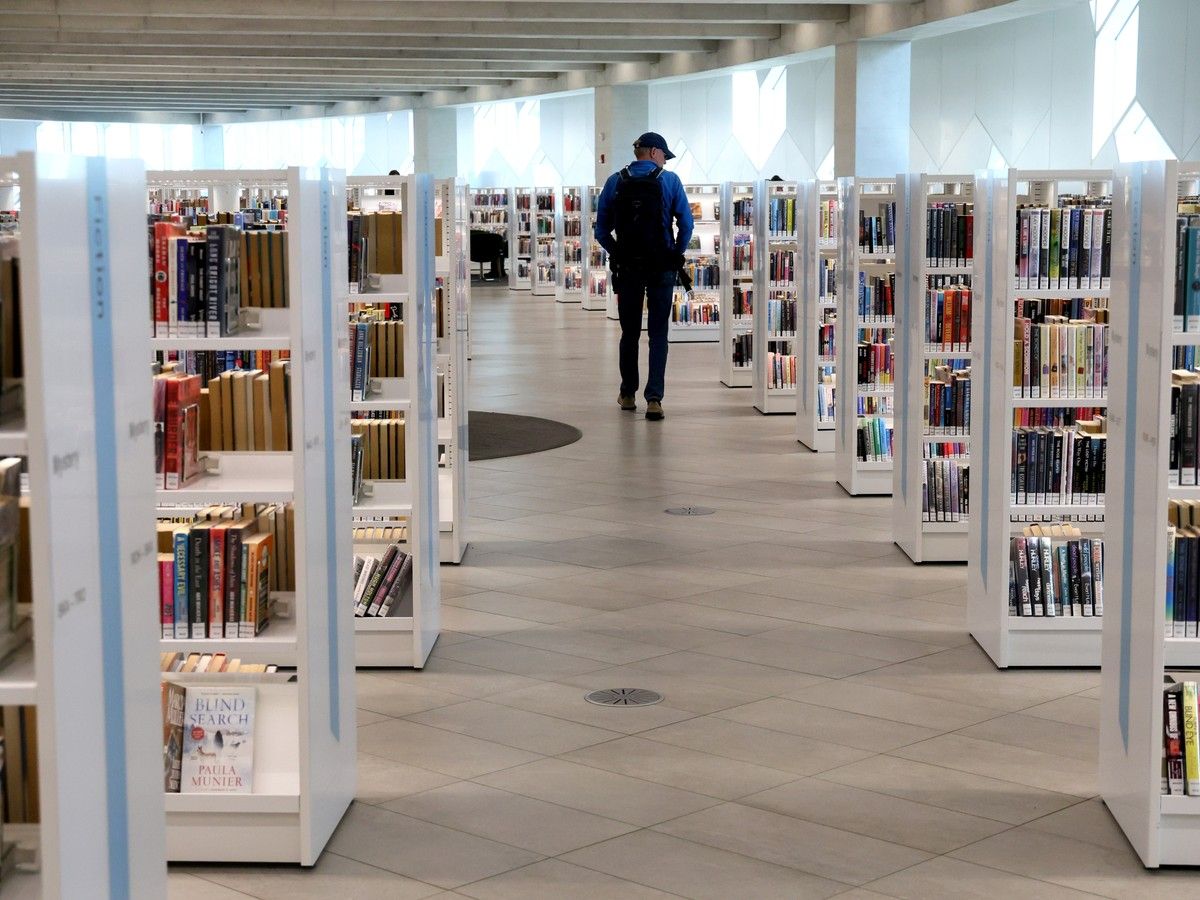
The controversy comes at a time when public institutions worldwide are grappling with AI's integration into creative fields. Libraries, traditionally guardians of knowledge and culture, are increasingly experimenting with technology to engage younger audiences and address emerging societal issues. In Calgary, the public library system serves over a million residents annually through its 22 branches, offering programs that blend education, arts, and innovation.
Critics like Farkas echo broader concerns about AI potentially displacing human artists, a debate that has intensified with tools like generative AI software becoming more accessible. According to reports, similar initiatives in other cities, such as artist residencies exploring digital ethics in Toronto and Vancouver, have faced mixed reactions but ultimately proceeded to spark public discourse. However, Farkas's position aligns with those who prioritize funding for established local creators amid economic pressures on the arts sector.
The Calgary Public Library's decision to continue despite the pushback underscores its role as a forward-thinking institution. Kapusta's statements frame the residency not as a replacement for human creativity but as a tool to interrogate it.
The Library is continuing with the Creative Artist in Residence — AI Collaborative Artist program, which is designed for a human artist in any discipline with a local connection to Calgary to explore the questions this technology raises in relation to creativity and art, using AI responsibly and ethically as part of their process,she elaborated.
Community responses have been varied, with some online comments on news sites praising the library's boldness and others decrying it as a misuse of public funds. The Calgary Herald, which first reported on the program, noted the library's determination amid the criticism, but no widespread protests or formal opposition groups have emerged yet. As applications roll in, the library anticipates selecting a resident who can bridge technology and tradition in a way that resonates with Calgarians.
Looking ahead, the residency could set a precedent for how public libraries adapt to technological shifts. If successful, it might inspire similar programs elsewhere, providing a model for ethical AI use in the arts. Conversely, if the mayor follows through on his pledge to question the library board, it could lead to policy discussions about funding priorities in Calgary's cultural landscape.
Farkas's office has not detailed specific actions beyond inquiries, but the lack of formal meetings indicates that the program is unlikely to be derailed in the short term. For now, the Calgary Public Library remains focused on its mission, viewing the AI residency as an essential step in preparing the community for the future. As Kapusta put it, the initiative addresses a 'public need' that extends beyond art to everyday life in an AI-influenced society.
In the broader context of Calgary's vibrant arts scene, which includes festivals, galleries, and Indigenous-led initiatives, this program adds a layer of experimentation. With applications closing on April 7, the coming weeks will reveal the level of interest from local artists. Whether it fosters innovation or fuels further debate, the AI artist residency has already ignited conversations about the soul of creativity in the digital age.
The story reflects ongoing tensions between tradition and progress in public institutions, with both sides presenting compelling cases. The library sees opportunity in exploration, while the mayor champions unadulterated human expression. As Calgary navigates these waters, the outcome of this residency may offer insights for cities worldwide facing similar crossroads.