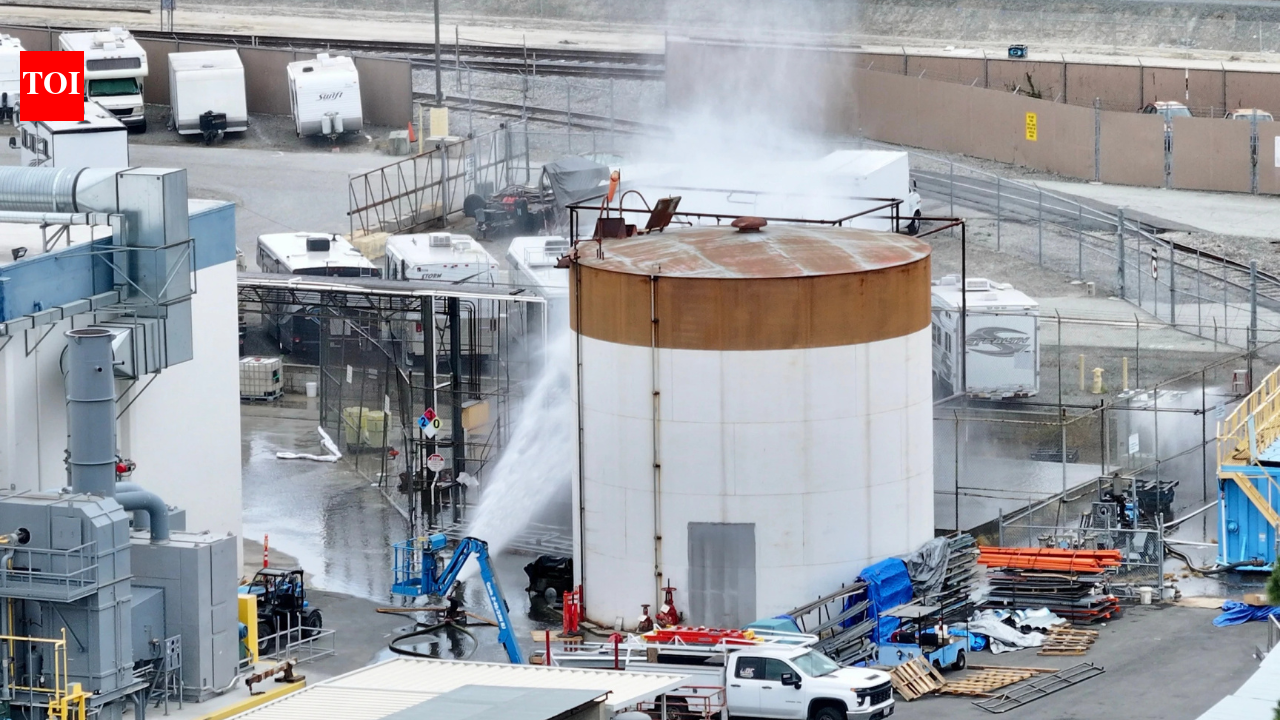
A chemical leak at a storage facility in Garden Grove, Orange County, has prompted the evacuation of approximately 40,000 residents, according to local authorities. The incident involves methyl methacrylate, a substance stored in a tank at the GKN site, forcing officials to order the large-scale departure from homes in the area.
Emergency responders were called to the scene after reports of the leak emerged, with evacuation orders issued to ensure public safety. Residents were instructed to leave immediately, with shelters set up in nearby locations to accommodate those displaced. The scale of the evacuation marks one of the larger chemical-related incidents in recent years in Southern California.
According to reports from the Times of India Science Desk, the chemical in question is methyl methacrylate, commonly used in the production of plastics and acrylic materials. Officials have not yet released details on the exact cause of the leak or the volume of the substance released. Investigations are ongoing as crews work to contain the situation.
Local fire departments and hazardous materials teams arrived quickly to assess the risks. Air quality monitoring was initiated around the affected zones to determine if any airborne hazards posed threats beyond the immediate area. No injuries have been reported so far, though officials continue to urge caution.
The evacuation order covers a significant portion of Garden Grove, impacting families, businesses, and schools in the vicinity. Some residents described being awakened by alerts on their phones and told to gather essentials before heading to designated safe zones. Traffic in the region has been heavy as people comply with the directives.
Experts note that methyl methacrylate can be flammable and irritating to the eyes and respiratory system in certain concentrations. Containment efforts focus on preventing further spread from the storage tank. The GKN facility has been cooperating with investigators, providing access and information as requested.
County officials have set up information hotlines for evacuees seeking updates on when they might return home. Temporary housing options remain available for those unable to stay with relatives or friends. The duration of the evacuation depends on how quickly the leak can be fully secured and the area deemed safe.
Similar incidents involving industrial chemicals have occurred in other parts of the state, though none recently matching this scope in Orange County. State environmental agencies are expected to review the facility's safety protocols once the immediate crisis subsides.
Community leaders have praised the rapid response from first responders while calling for transparency in the days ahead. Updates from the scene indicate that the situation remains fluid, with additional resources being mobilized if needed.
Residents outside the primary evacuation zone have been advised to stay indoors with windows closed as a precaution. Schools in the affected districts announced closures for the day, and some businesses followed suit to avoid unnecessary exposure.
The chemical's properties make it a standard component in manufacturing, yet its handling requires strict safety measures. Authorities continue to emphasize that the priority remains protecting the public while determining the sequence of events leading to the release.
Further details are anticipated as testing results come in and containment teams complete their work. The incident underscores ongoing concerns about industrial storage practices in densely populated regions.