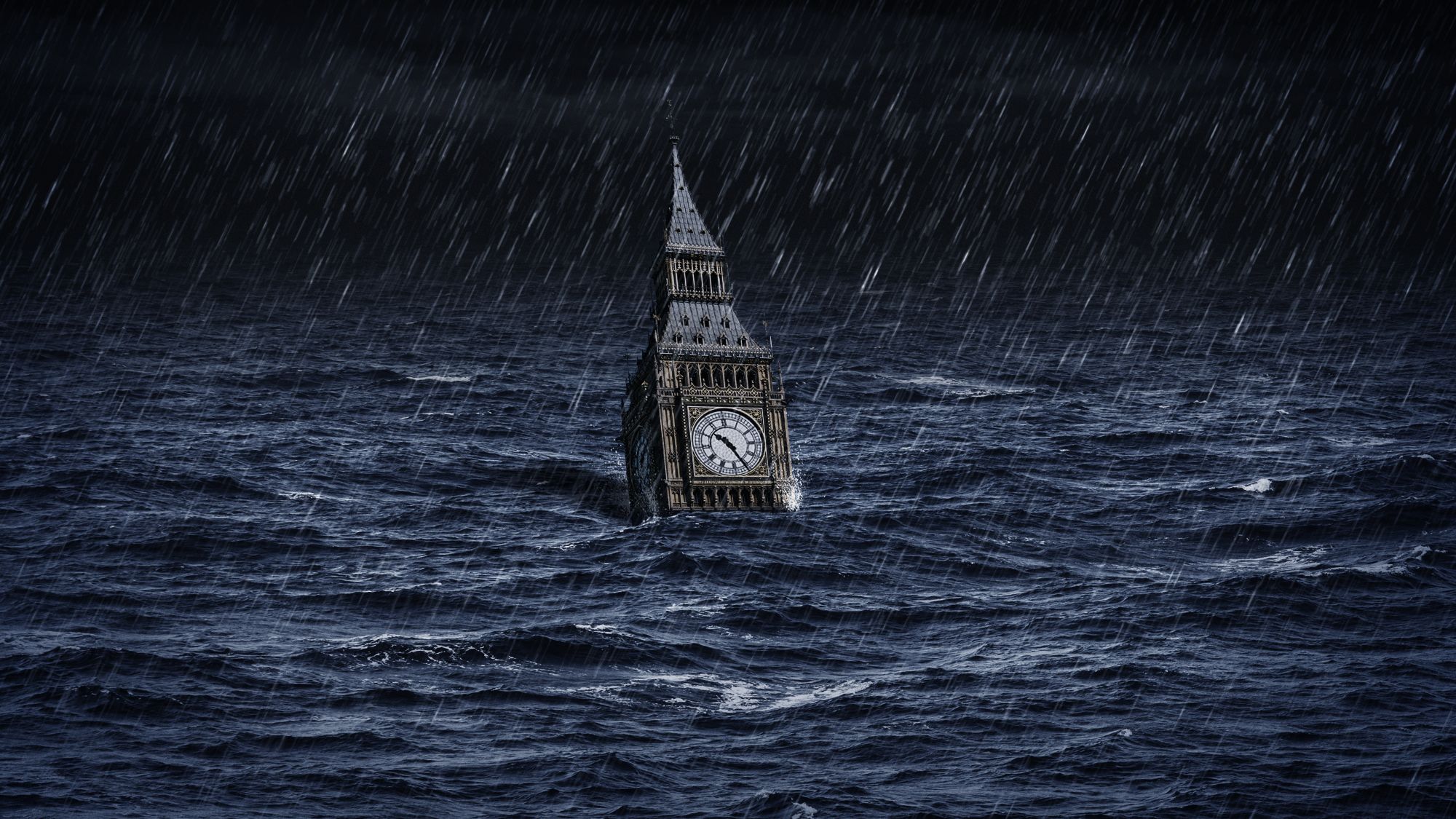
LONDON — Britons across the country are grappling with what feels like an unending torrent of rain, as parts of the United Kingdom endure some of the wettest conditions in recent memory. "You would be forgiven for thinking the rain this year has been relentless – because in some parts of the UK, it actually has been," said BBC weather presenter Ben Rich. More than 280 flood warnings and alerts have been issued across southwest and central England, Scotland, and Wales, according to reports from the Met Office and local authorities.
The deluge has shattered rainfall records at 26 weather stations nationwide, straining homes, businesses, and the natural environment. In the southwest of England and Scotland, which have borne the brunt of the downpours, the impacts have been particularly severe. The Independent described the constant rain as "some sort of biblical punishment," noting that few regions have escaped entirely unscathed.
Communities in Devon, Cornwall, and Worcestershire have faced daily downpours since December 31, extending through February 8, with more rain expected. Residents in North Wyke in Devon, Cardinham in Cornwall, and Astwood Bank in Worcestershire have been among the hardest hit, experiencing saturation that has led to widespread flooding. In Aberdeen, Scotland, the situation has been especially grim: as of February 10, the city had not seen a single minute of sunshine for two weeks, marking the longest such period since records began in 1957.
The Guardian reported that in the worst-affected areas, people have been "dodging deluges or showers" for 40 consecutive days. This persistent wet weather has disrupted farming operations, construction projects, and sports events, while also damaging roads and homes. Hundreds of individuals have been displaced or faced misery from flooded properties and businesses. Environmental concerns have mounted as well, with wild swimmers encountering sewage issues on beaches and inland waterways due to overwhelmed drainage systems.
Experts attribute the prolonged misery to a stubborn weather pattern driven by the Atlantic jet stream. According to the Met Office, the "main architect" of the current conditions is this powerful ribbon of air, which has been fixed in position further south than usual. Caused by significant cold plunges across North America, the jet stream acts as a conveyor belt, funneling low-pressure systems toward northern Europe and intensifying rain-bearing fronts.
High-pressure zones over mainland Europe have further exacerbated the problem by blocking the jet stream's progress, trapping the wet weather over the UK. The result, as described by meteorologists, is increasingly saturated ground, travel disruptions, and a sense that winter is repeating on an endless loop. The Times characterized this as the "apotheosis of British climate: unchangeably changeable weather," stuck on a miserable setting.
While the rain has dominated headlines, there have been occasional bright spots amid the gloom. In Somerset's Quantock Hills, organizers launched a "Month of Mud" festival to embrace the soggy conditions, turning the weather into a quirky celebration. On Studland beach in Dorset, the extreme tides and erosion have revealed a historic shipwreck believed to be the remains of a Dutch merchant ship that sank in 1631, drawing curious visitors despite the downpours.
The human toll extends beyond immediate flooding. Farmers have struggled with waterlogged fields, delaying planting and harvests, while builders report halted projects due to unsafe conditions. Sports enthusiasts, from amateur soccer players to professional events, have seen matches canceled or postponed. Wildlife has been affected too, with habitats disrupted and species facing challenges in the unrelenting wet.
In Aberdeen, locals have expressed frustration over the lack of sunlight, which has not only dampened spirits but also impacted daily life. One resident, speaking to local media, described the two-week dry spell as "depressing beyond words," highlighting the mental health strain of prolonged gray skies. Similar sentiments echo in the southwest, where business owners report losses from closures and damage repairs.
The Met Office has noted that while the immediate forecast remains gray and damp, there are signs of potential relief. This week is expected to mirror the previous ones, but data suggests a brief window where the lingering system could break down, allowing fleeting sunlight, particularly in Scotland. The Times cautioned, however, that any glimpse of sun around Valentine's Day would be more like a "skylight in the middle of a long, bleak and damp tunnel," with wet conditions set to return soon after.
Looking further ahead, BBC weather presenter Chris Fawkes offered a more optimistic note. "Change is on the horizon," he said, explaining that by the last week of February, the Atlantic jet stream is projected to shift to the far northwest of Scotland. This movement could allow high pressure to build, potentially ushering in more settled weather by month's end. "It’s a long way off, but it’s the least we deserve given just how wet and dull it’s been over recent weeks," Fawkes added.
The broader implications of this wet winter extend to the UK's ongoing climate challenges. While meteorologists emphasize that the jet stream's position is a natural variability amplified by global patterns, environmental groups point to the increasing frequency of such events as evidence of climate change. The saturated ground has heightened flood risks, prompting calls for improved infrastructure and drainage systems nationwide.
Government officials have responded with emergency measures, including additional funding for flood defenses in vulnerable areas. In Wales and central England, where alerts remain active, local councils are coordinating evacuations and sandbag distributions. The Environment Agency reported that over 1,200 properties have been protected by existing barriers, though critics argue more proactive investments are needed to prevent future crises.
As the UK navigates this soggy season, the experience underscores the nation's vulnerability to extreme weather. With spring on the horizon, residents are holding out hope for drier days, but the memory of these record rains will likely influence discussions on resilience and adaptation for years to come. For now, the umbrella remains an essential accessory across the country.