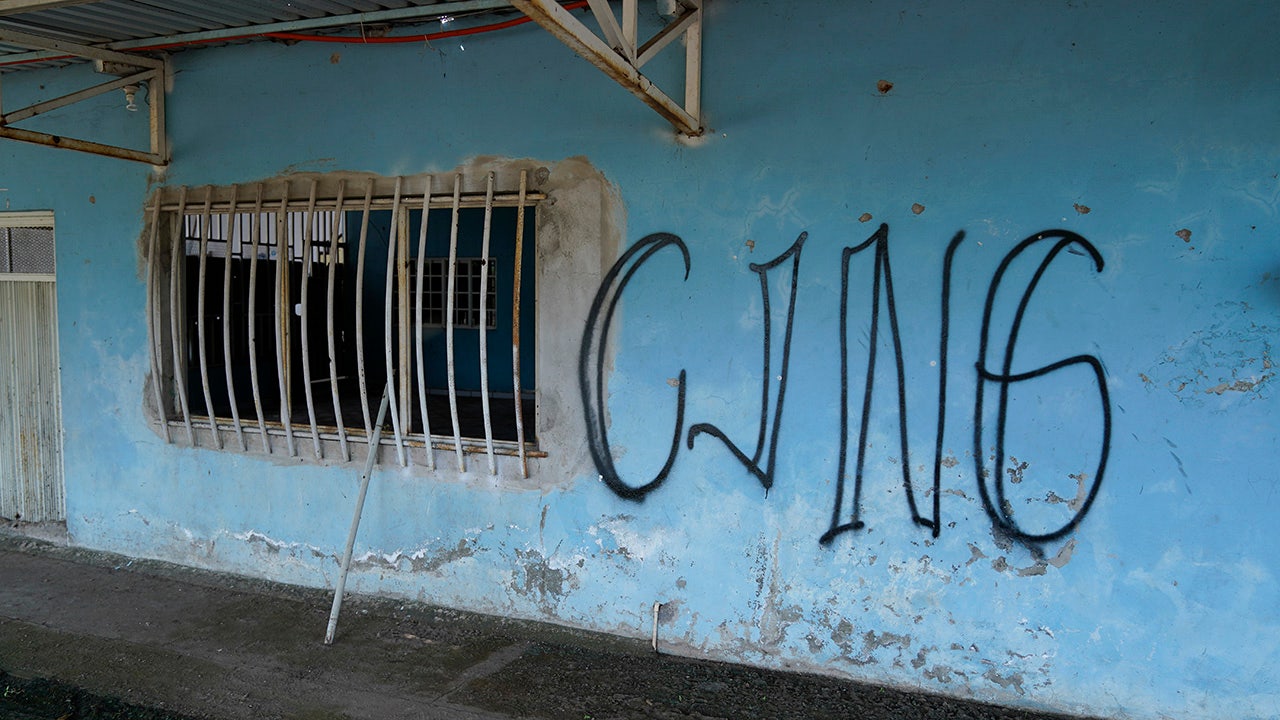
In a dramatic military operation in the Mexican state of Jalisco on Sunday morning, Mexican special forces killed Ruben 'Nemesio' Oseguera Cervantes, the notorious drug lord known as 'El Mencho,' leader of the Jalisco New Generation Cartel (CJNG). The raid, which involved aircraft from the Air Force and rapid-reaction units from the National Guard, not only eliminated one of Mexico's most wanted fugitives but also uncovered an arsenal of military-grade weapons, including rocket launchers capable of shooting down aircraft, highlighting the escalating firepower of Mexican cartels.
According to Mexican authorities, the operation unfolded as security forces targeted a CJNG stronghold, where they were met with immediate resistance from cartel gunmen. Officials reported that troops returned fire, deploying specialized units to neutralize the threat. In the aftermath, forces seized armored vehicles and heavy weaponry more commonly seen in armed conflicts than in standard law enforcement actions. 'The operation required the scale of force typically reserved for confronting senior cartel leadership,' a government statement noted, emphasizing the involvement of elite Mexican Special Forces.
The discovery of rocket launchers during the raid drew immediate attention to the CJNG's paramilitary capabilities. These weapons, officials said, could pose a direct threat to aerial operations, echoing a deadly 2015 incident in Jalisco where CJNG gunmen used rocket-propelled grenades to down a Mexican military helicopter, killing nine people aboard. That attack, which occurred on May 2, 2015, marked a pivotal moment, as it demonstrated the cartel's ability to engage federal forces with battlefield-grade armaments and shifted how authorities perceived the group's threat level.
Fox News correspondent Lucas Tomlinson, reporting on the raid during a segment on 'Fox Report,' described the scene as underscoring 'how the Mexican Jalisco New Generation Cartel (CJNG) amassed military-style firepower over the years.' Tomlinson highlighted that the seized equipment included items like the rocket launchers, which authorities linked to the cartel's history of bold assaults on security personnel.
El Mencho, whose real name is Ruben Oseguera Cervantes, had evaded capture for over a decade despite a $10 million bounty from the U.S. Drug Enforcement Administration (DEA). The 58-year-old, born in the rural village of Agua Caliente in Michoacán, rose through the ranks of drug trafficking organizations, eventually founding the CJNG around 2010 after splitting from the Milenio Cartel. Under his leadership, the CJNG expanded into one of Mexico's most violent and influential syndicates, controlling key trafficking routes for fentanyl, methamphetamine, and cocaine into the United States.
Former U.S. officials have long characterized the CJNG not as a traditional drug trafficking ring but as a paramilitary organization. 'The group commanded large numbers of gunmen and organized itself in a way that allowed it to deploy force quickly and visibly,' said a former DEA official in prior reporting. The cartel's tactics include coordinated roadblocks, armed convoys, and structured enforcement wings to maintain control in contested regions, often seizing vehicles and launching urban attacks to intimidate rivals and authorities alike.
The Sunday raid took place amid heightened tensions in Jalisco, a Pacific coast state known for its beaches and tourism hubs like Puerto Vallarta. Smoke was reported rising over the city during a related operation on February 22, 2026, though details of that event remain separate from the El Mencho takedown. Witnesses in the area described hearing intense gunfire and seeing military helicopters overhead, but no civilian casualties were reported in the immediate operation.
In response to the violence, the U.S. State Department issued a travel alert on Sunday, urging Americans in several Mexican states, including Jalisco, to shelter in place. The advisory cited 'ongoing security operations and related road blockages and criminal activity,' warning of potential instability following major cartel confrontations. Tourists in seaside resorts like Puerto Vallarta were specifically told to remain on resort grounds as clashes unfolded nearby.
Mexican authorities have increasingly turned to the military rather than local police to tackle high-level cartel figures, a strategy born out of necessity as groups like the CJNG bolstered their arsenals. In recent years, the cartel has been implicated in numerous high-profile attacks, including the 2015 helicopter downing and coordinated assaults that paralyzed cities. The CJNG's reputation as one of Mexico's most heavily armed organizations stems from such displays, which reinforce its dominance in drug production and trafficking corridors.
The operation's success comes at a time when U.S.-Mexico cooperation against cartels has intensified. The DEA has previously unsealed indictments against CJNG associates, including charges related to fentanyl production and violent crimes. Just last week, the U.S. Justice Department announced multi-state indictments against leaders of the Venezuelan Tren de Aragua gang for similar offenses, underscoring a broader crackdown on transnational crime networks.
While the death of El Mencho represents a significant blow to the CJNG, experts caution that such leadership vacuums can lead to internal power struggles and heightened violence. 'Cartels like the CJNG operate with a structure that allows rapid adaptation,' noted a former U.S. official familiar with the group's operations. Mexican officials have not yet confirmed the full extent of the seized arsenal or any arrests made during the raid, but they described it as a 'major step' in dismantling the cartel's command.
The raid also spotlighted the human cost of Mexico's drug war, which has claimed over 400,000 lives since 2006. El Mencho's elimination follows other high-profile takedowns, such as that of Sinaloa Cartel leader Ismael 'El Mayo' Zambada in July 2024, though the CJNG has remained a persistent rival. Authorities in Jalisco reported temporary road closures and heightened security patrols in the wake of the operation, with residents advised to avoid areas of known cartel activity.
Looking ahead, the Mexican government faces the challenge of sustaining momentum against the CJNG's sprawling network, which extends from rural labs in Michoacán to urban strongholds in Guadalajara. International pressure, including from the U.S., continues to mount for more aggressive action, with calls for enhanced intelligence sharing and border security measures. As one analyst put it in a recent report, 'Removing a figure like El Mencho disrupts operations, but the cartel's military-like organization ensures it will fight back.'
The broader implications of the raid extend to U.S. communities grappling with the opioid crisis, much of which is fueled by CJNG-supplied fentanyl. With the cartel's firepower now partially exposed, questions arise about how Mexico will address the proliferation of such weapons, often smuggled from Central America or sourced through corrupt channels. Officials on both sides of the border emphasize that joint efforts will be crucial in the coming months to prevent a surge in retaliatory violence.
As investigations continue, the Sunday operation stands as a stark reminder of the militarized nature of Mexico's battle against organized crime. While the fall of El Mencho may weaken the CJNG temporarily, the group's history of resilience suggests that the fight is far from over. Mexican and U.S. authorities alike are bracing for potential fallout, with enhanced vigilance in cartel hotspots across the region.