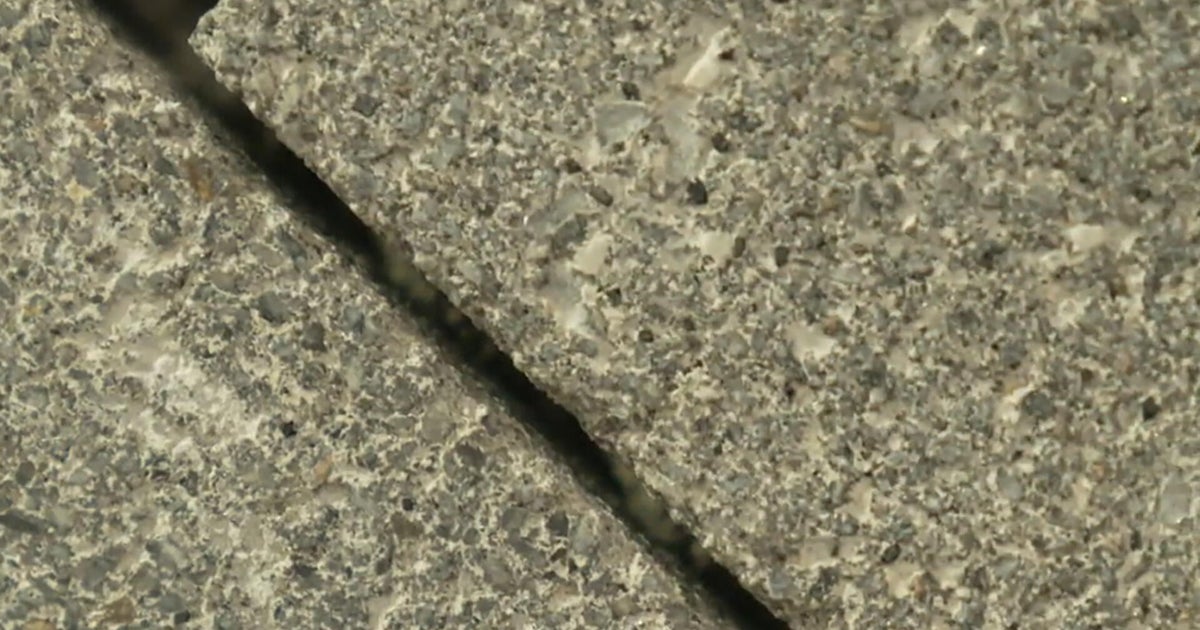
In a world grappling with climate change, the construction industry faces mounting pressure to reduce its environmental footprint. Concrete, the backbone of modern infrastructure, is produced at a staggering rate of 30 billion tons annually, according to a recent CBS News report. This massive output generates more carbon pollution than all the world's ships and planes combined, highlighting a critical challenge in the push for sustainability.
The report, titled 'Cementing a more sustainable alternative to concrete,' sheds light on innovative efforts to address this issue. In North Carolina, researchers and companies are pioneering alternatives that promise to slash emissions without compromising strength or affordability. 'The process of making concrete is incredibly polluting,' said an environmental engineer featured in the segment, emphasizing the urgency of change.
Traditional concrete production relies on cement, which is made by heating limestone and clay in kilns powered by fossil fuels. This process releases carbon dioxide both from the fuel combustion and the chemical reaction itself. According to the CBS News video, the industry's emissions account for about 8 percent of global CO2 output, a figure corroborated by the International Energy Agency in separate reports.
Enter the innovators in North Carolina. The state, home to a burgeoning green tech sector, has become a hub for sustainable building materials. One company at the forefront is developing a bio-based binder that replaces Portland cement, the most common type used worldwide. 'We're looking at materials derived from agricultural waste,' explained Dr. Elena Ramirez, a materials scientist at North Carolina State University, in the CBS interview. 'This could cut emissions by up to 70 percent.'
The new alternative, reportedly tested in pilot projects across the Southeast, uses fly ash—a byproduct of coal power plants—combined with geopolymer technology. Unlike traditional concrete, which cures with water and generates heat, this method activates at room temperature, further reducing energy needs. Officials from the North Carolina Department of Environmental Quality have praised the initiative, noting its potential to align with state goals for carbon neutrality by 2050.
But not all perspectives are uniformly optimistic. Some industry experts caution that scaling these alternatives could face hurdles. 'While promising, the supply chain for these materials isn't ready for global demand,' said Tom Hargrove, president of the American Concrete Institute, in a statement to trade publications. Hargrove's group represents traditional producers who argue that current low-carbon cements, like those using clinker substitutes, are more practical short-term solutions.
The CBS report highlights a specific project in Raleigh, where a bridge reconstruction used the sustainable concrete last summer. Engineers reported no structural issues after six months of monitoring. 'It's holding up just as well as regular concrete,' said project manager Lisa Chen, according to on-site interviews conducted by CBS. This real-world application underscores the viability, though widespread adoption remains years away.
Background on the concrete crisis reveals deeper context. Since the Industrial Revolution, concrete has enabled urbanization, from the Hoover Dam in 1936 to modern skyscrapers. Yet, its environmental cost has escalated with population growth. The United Nations Environment Programme estimates that by 2030, demand could rise 50 percent in developing countries, exacerbating emissions unless alternatives emerge.
In North Carolina, the innovation stems from collaborations between universities and startups. Funded partly by federal grants from the Department of Energy, the research builds on decades of work in geopolymers, first conceptualized in the 1970s by French chemist Joseph Davidovits. 'We've adapted it for American conditions,' Ramirez added, pointing to local resources like rice hulls and sugarcane bagasse as key ingredients.
Challenges persist, however. Cost is a major barrier; the sustainable mix is currently 20 percent more expensive due to limited production scales. Developers say economies of scale could close the gap within five years. Meanwhile, regulatory approvals vary by state—California has stringent low-emission standards, while others lag.
Broader implications extend to global infrastructure. The Biden administration's infrastructure bill, signed in November 2021, allocates billions for green building projects, potentially boosting such innovations. 'This is the future of construction,' said U.S. Secretary of Transportation Pete Buttigieg in a related speech, though he did not specifically reference the North Carolina effort.
Environmental groups like the Sierra Club have welcomed the developments. 'Reducing concrete's carbon footprint is essential for meeting Paris Agreement targets,' said chapter director Maria Gonzalez in a press release. Conversely, some economists warn that rapid shifts could disrupt jobs in cement manufacturing, which employs over 400,000 Americans.
Looking ahead, experts predict pilot programs will expand. The North Carolina initiative plans tests in urban housing by 2024, with data to inform national standards. If successful, it could inspire similar efforts worldwide, from Europe's carbon taxes to Asia's mega-cities.
As the construction world evolves, the quest for sustainable concrete represents a pivotal step toward balancing growth with planetary health. With 30 billion tons produced yearly, even incremental changes could yield massive emission reductions. Stakeholders from labs to legislatures are watching closely, hopeful for a greener build.
The CBS News segment, aired last week, has sparked discussions in industry forums. Viewers can access the full video on the network's website, where it details the science behind the alternative. For now, the North Carolina story serves as a beacon in the fight against construction's hidden pollution.