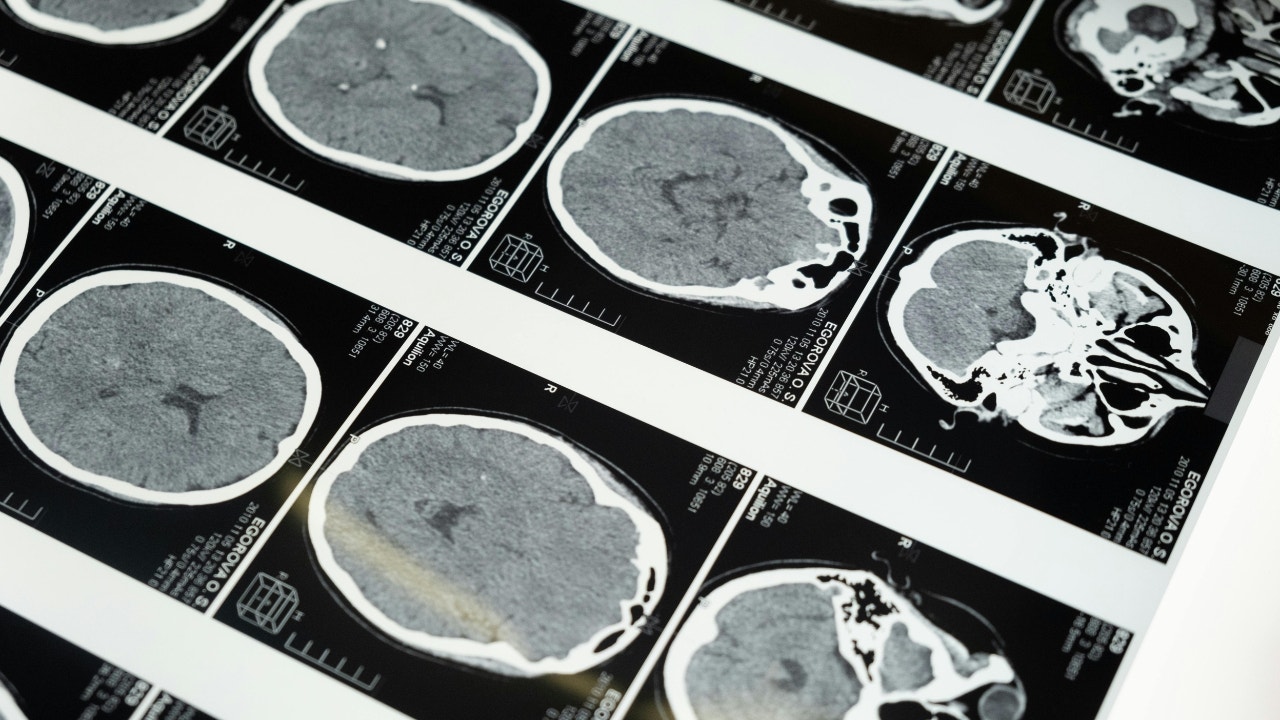
In the rapidly evolving field of neuroscience, a Chinese startup is pioneering a noninvasive approach to brain-computer interfaces using ultrasound technology, aiming to treat chronic pain without the need for surgical implants. Gestala, founded in Chengdu with offices in Shanghai and Hong Kong, announced its development of focused ultrasound systems that stimulate neural circuits in the brain, marking a significant push in China's race to lead in brain tech innovation.
The company's technology draws on the same principles as medical ultrasound imaging but adapts them for targeted brain stimulation. According to Gestala, their system directs high-frequency sound waves to specific regions, such as the anterior cingulate cortex, which is associated with the emotional processing of pain. Early pilot studies, as reported by the company, have shown that stimulating this area can reduce pain intensity for up to a week in some patients, offering a promising alternative to traditional pain management methods that often involve medications or invasive procedures.
Gestala's first-generation device is designed as a stationary system for use in clinical settings, where patients would attend hospital sessions for treatment. The company plans to evolve this into a wearable helmet for supervised home use, potentially making therapy more accessible. Over the longer term, Gestala envisions expanding its applications to address depression, other mental health conditions, stroke rehabilitation, Alzheimer's disease, and sleep disorders, each requiring navigation of distinct brain networks and regulatory challenges.
This ultrasound-based method contrasts sharply with more invasive brain-computer interfaces, such as those developed by Elon Musk's Neuralink, which involve implanting tiny threads into the brain to record electrical signals from neurons. Ultrasound, by comparison, avoids incisions and relies on sound waves to either stimulate or, in more advanced concepts, interpret brain activity. Kurt 'CyberGuy' Knutsson, an award-winning tech journalist contributing to Fox News, explained in a recent article that while focused ultrasound treatments are already approved for conditions like Parkinson's disease, uterine fibroids, and certain tumors, using it to study or decode brain signals presents far greater complexity.
Gestala is not alone in this global pursuit. Earlier this month, OpenAI revealed a significant investment in Merge Labs, a startup co-founded by Sam Altman and researchers connected to Forest Neurotech. Public statements from Merge Labs highlight goals of restoring lost abilities, supporting healthier brain states, and enhancing human-AI connections, though experts emphasize that practical applications remain years away. This investment underscores the intensifying international competition, with China positioning itself as a key player through companies like Gestala.
Researchers guiding the technology often use MRI to precisely target brain areas, as seen in studies on the anterior cingulate cortex for chronic pain. However, ultrasound faces inherent technical limitations. The human skull attenuates and distorts sound waves, complicating the delivery of precise signals. In controlled research environments, clearer readouts have sometimes necessitated special implants to bypass bone interference, though Gestala's approach emphasizes noninvasiveness.
Another challenge lies in ultrasound's mechanism: it primarily measures changes in blood flow rather than direct electrical activity from neurons. Blood flow alterations occur more slowly than neural firing, which Knutsson noted could restrict uses demanding real-time precision, such as decoding thoughts for speech translation. Stimulation via ultrasound is advancing, but accurate neural readout represents a steeper engineering hurdle.
China's focus on this technology aligns with broader national efforts to advance in biotechnology and artificial intelligence. Gestala's founding in Chengdu, a hub for tech innovation in western China, reflects the region's growing role in high-tech industries. The company's offices in Shanghai and Hong Kong further facilitate access to international talent and markets, positioning it to collaborate or compete with global leaders.
While Gestala's roadmap is ambitious, clinical validation remains a critical step. Pilot studies have yielded encouraging results for pain relief, but scaling to broader applications like Alzheimer's or depression will require extensive trials to ensure safety and efficacy. Regulatory bodies in China and potentially abroad will scrutinize these developments, given the brain's sensitivity and the ethical considerations of neuromodulation.
Experts caution that despite the hype, noninvasive brain interfaces are still experimental. Knutsson highlighted in his Fox News piece that consumers should not expect off-the-shelf brain helmets anytime soon. Yet, if successful, these devices could transform treatment for millions suffering from chronic conditions, offering relief without the risks of surgery.
The intersection of brain tech and AI raises profound questions about data privacy. Devices capable of analyzing brain states could generate highly personal information on mental health or emotions. As Knutsson pointed out, regulators, hospitals, and companies must establish robust frameworks for storing, sharing, and protecting such data to prevent misuse.
Looking ahead, the convergence of neuroscience and digital intelligence, exemplified by OpenAI's stake in Merge Labs, suggests a future where brain interfaces enhance human capabilities in unprecedented ways. Gestala's ultrasound innovations add to this momentum, potentially reshaping medicine and wellness. Progress, though steady, hinges on overcoming technical barriers and ensuring equitable access.
In Chengdu, where Gestala was established, local officials have expressed support for biotech ventures, viewing them as drivers of economic growth. The company's expansion plans into wearable tech could integrate with China's vast healthcare network, serving urban and rural populations alike. Meanwhile, international observers watch closely, as breakthroughs here could influence global standards for brain-computer interfaces.
Ultimately, the promise of sound waves interpreting or alleviating mental states prompts ethical deliberations. Who controls access to brain data, and how is it safeguarded? As Knutsson posed in his article, these questions will shape the field's trajectory. For now, Gestala's work represents a noninvasive frontier in a domain long dominated by surgical methods, with implications that extend far beyond chronic pain treatment.