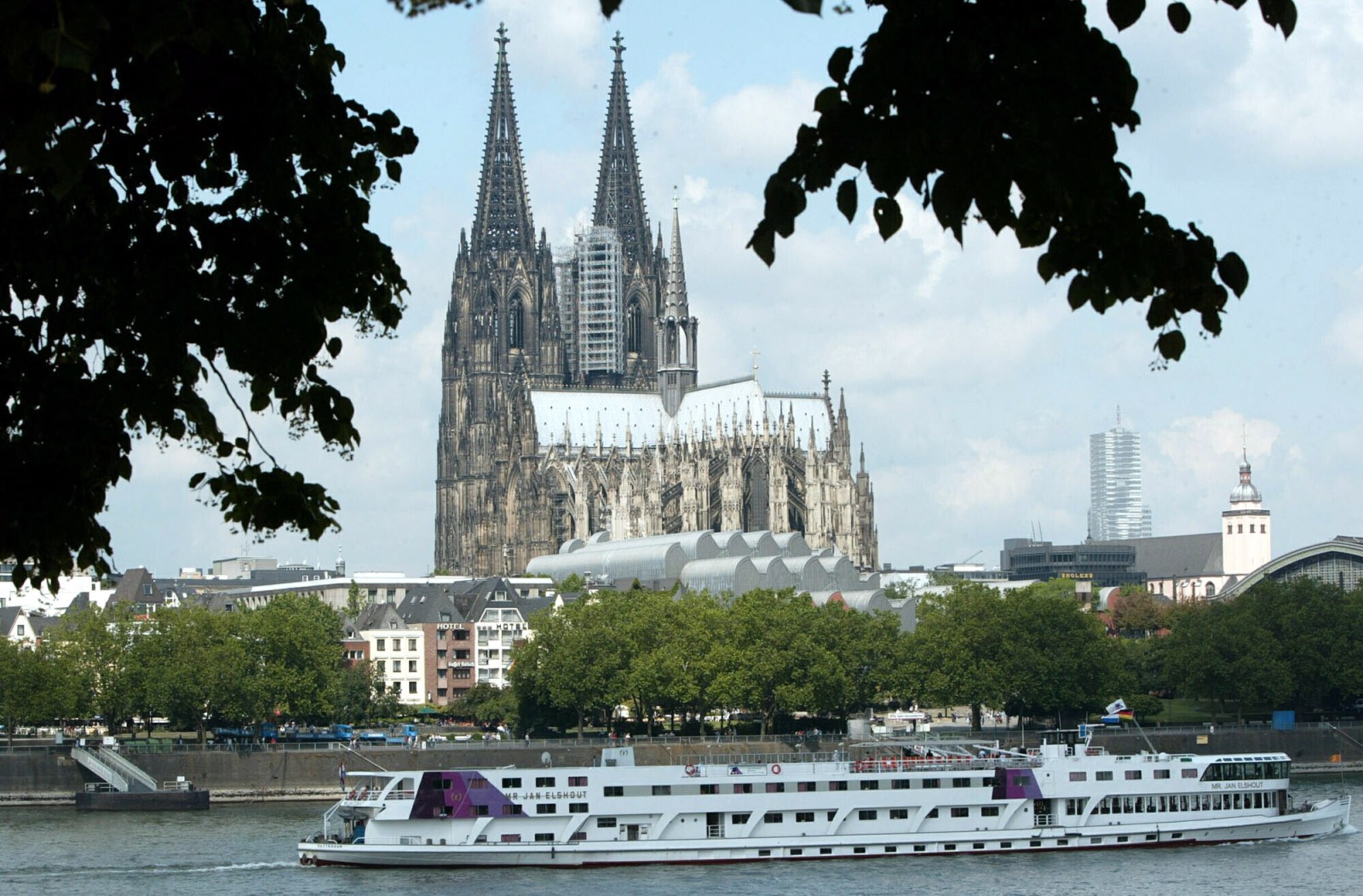
BERLIN — One of Germany's most iconic landmarks, the towering Cologne Cathedral, is set to introduce an admission fee for tourists later this year, marking a significant shift for the historic site amid escalating maintenance expenses.
The decision, announced by the cathedral's Catholic chapter on Thursday, comes as church officials grapple with the financial pressures of preserving the Gothic masterpiece. According to the chapter, the fee will take effect in the second half of 2024, though the exact amount has not yet been disclosed. This move aims to address the rising costs that have strained the cathedral's budget, including inflation and increasing personnel expenses.
Cologne Cathedral, known locally as Kölner Dom, has long been a free-entry destination that draws millions of visitors annually. Per the chapter's statement, the site attracts around 6 million people each year, making it one of Europe's busiest tourist attractions. Its imposing twin spires rise 157 meters above Cologne's skyline, overlooking the city's main railway station and the Rhine River, and it serves as a symbol of the city's resilience and cultural heritage.
Construction on the cathedral began in 1248, with the project halting for centuries before resuming in the 19th century and finally completing in 1880. In 1996, it was inscribed on the UNESCO World Heritage list, recognizing its architectural brilliance and historical significance as a prime example of High Gothic style. The cathedral not only houses relics like the Shrine of the Three Kings but also features intricate stained-glass windows and a treasury that has long been a draw for paying visitors seeking a closer look.
The financial challenges facing the cathedral are not isolated but reflect broader pressures on cultural and religious institutions across Europe. The chapter reported that upkeep costs for this year alone are projected to reach approximately 16 million euros, equivalent to about $18.6 million. These expenses cover everything from structural repairs to daily operations, all while visitor numbers have rebounded post-pandemic but revenue streams have not fully recovered.
Inflation has driven up the price of materials and labor, the chapter explained, while personnel costs continue to climb. In recent years, reserves that helped bridge funding shortfalls have been depleted, partly due to the COVID-19 pandemic's disruptions. During lockdowns and restrictions, fee-based attractions such as climbs to the cathedral's towers and visits to the treasury were off-limits for extended periods, leading to significant lost income.
To mitigate these issues, church officials have implemented cost-saving measures, including not replacing departing staff in the cathedral's architect's office. However, the chapter emphasized that such steps provide only short-term relief and cannot sustain the site's long-term needs. "Inflation and rising personnel costs have led to a constant increase in the price of the upkeep of the building," the chapter stated in its announcement, underscoring the urgency of the new policy.
Not all visitors will be affected by the change. The chapter specified that individuals entering for religious services or prayer in designated areas will be exempt from the fee, ensuring that the cathedral remains accessible for worshippers. This exemption aligns with the site's primary role as a functioning place of worship for Cologne's Catholic community, which has worshipped there for centuries.
The announcement has sparked discussions among tourism experts and local officials about the potential impact on Cologne's visitor economy. The city, with a population of around 1.1 million, relies heavily on tourism, and the cathedral is its undisputed star attraction. In 2023, tourism contributed over 2 billion euros to the local economy, according to city estimates, with many visitors citing the cathedral as their main reason for coming.
While the chapter has not detailed the fee structure, similar sites in Europe have adopted modest charges—such as 5 to 10 euros per adult—to balance accessibility with funding needs. For comparison, the nearby Notre-Dame Cathedral in Paris, which is undergoing restoration after the 2019 fire, has considered similar measures. Officials in Cologne have indicated that the fee will be calibrated to avoid deterring casual visitors while covering essential costs.
Local reactions have been mixed, though the chapter's statement did not include direct comments from residents or tourists. Some heritage advocates worry that any barrier to entry could alter the cathedral's role as a public space, while others support the move as necessary for preservation. "The measures taken so far can’t fix the problem in the long term," the chapter noted, highlighting the inevitability of such changes.
Beyond immediate finances, the decision underscores ongoing debates about the sustainability of free access to cultural landmarks. In Germany, where church taxes fund much of the Catholic Church's operations, the cathedral has historically benefited from such support. However, declining church membership—down to about 20% of Germans identifying as Catholic—has reduced these revenues, forcing institutions like Kölner Dom to seek alternative funding.
The cathedral's chapter, a body of clergy and lay representatives responsible for its administration, has managed the site since medieval times. Their Thursday announcement was made via an official press release, distributed to media outlets including the Associated Press. As preparations for the fee implementation proceed, the chapter plans to engage with tourism boards and visitor groups to minimize disruptions.
Looking ahead, the policy could set a precedent for other UNESCO sites in Germany, such as the historic centers of Lübeck or Regensburg, which face similar upkeep challenges. For now, Cologne Cathedral remains open without charge, allowing visitors to experience its grandeur freely until the second half of the year. Church officials expressed hope that the public will understand the necessity of the change to ensure the landmark endures for future generations.
In a city where the cathedral has weathered wars, including severe damage during World War II, this financial pivot represents another chapter in its storied history. Restored in the postwar era with international aid, Kölner Dom stands as a testament to collective effort. As it adapts to modern economic realities, the hope is that the fee will safeguard its legacy without diminishing its allure.