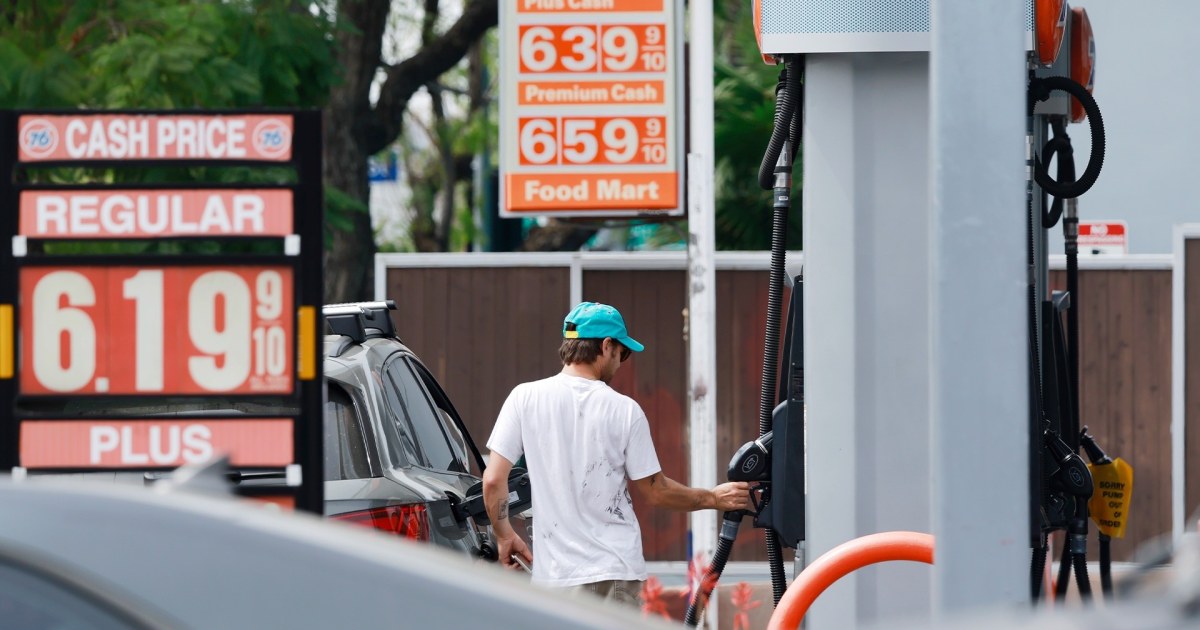
APPLETON, Wis. — As the United States grapples with escalating fuel costs tied to the ongoing war with Iran, everyday consumers are feeling the pinch through a wave of new surcharges and price hikes from major companies. Gas prices have surged to new highs since the conflict erupted, sending ripple effects throughout the American economy and prompting businesses to pass on the increased expenses to customers. According to a report by NBC News, Amazon has begun implementing shipping surcharges, while airlines are raising ticket prices to offset the soaring cost of jet fuel.
The war with Iran, which began in early 2026 amid heightened tensions over nuclear ambitions and regional proxy conflicts, has disrupted global oil supplies, particularly from the Middle East. This has led to a sharp increase in crude oil prices, with benchmarks like West Texas Intermediate crude jumping more than 20 percent in the past month alone, according to market analysts. For American drivers, the national average price for a gallon of regular unleaded gasoline now exceeds $5.50, up from around $3.80 at the start of the year, based on data from the U.S. Energy Information Administration.
NBC's Brian Cheung, reporting for Saturday TODAY on April 4, 2026, highlighted how these fuel cost spikes are translating into higher prices for essential services. "As gas prices hit new highs since the war with Iran began, the ripple effects of the conflict are now having significant impacts on the U.S. economy," Cheung stated in his segment. He noted that Amazon, the e-commerce giant responsible for billions of daily deliveries, announced the surcharges last week, adding an extra $1 to $3 per package depending on size and destination.
Amazon's move comes as the company faces mounting operational costs. A spokesperson for the retailer confirmed to NBC that the surcharges are temporary and directly linked to fuel expenses, which have risen by approximately 15 percent for their delivery fleet in the last quarter. "We're committed to keeping prices as low as possible for our customers, but the unprecedented fuel volatility requires these adjustments," the spokesperson said. This affects not just Prime members but all shoppers, potentially adding hundreds of dollars annually to household budgets for frequent online orders.
Airlines, already strained by post-pandemic recovery and labor issues, are following suit with their own increases. Major carriers like Delta, United, and American Airlines have reported fuel costs accounting for up to 30 percent of their operating expenses, a figure that has ballooned due to the Iran conflict. According to the Air Transport Association, ticket prices on domestic routes have climbed an average of 8 percent since March, with some international flights seeing hikes of up to 12 percent. "Fuel is our biggest variable cost, and with oil markets in turmoil, we have no choice but to adjust fares," said a representative from United Airlines in a statement to industry watchers.
The broader economic context underscores the severity of these changes. The Federal Reserve has warned of inflationary pressures exacerbated by the war, with economists projecting a potential 0.5 percentage point increase in the Consumer Price Index for the second quarter of 2026. Small businesses, particularly those reliant on shipping and travel, are hit hardest. In Appleton, local retailer owner Maria Gonzalez told The Appleton Times that her store's delivery fees from suppliers have doubled, forcing her to raise prices on goods by 10 percent. "Customers understand the war's impact, but it's tough when every penny counts," Gonzalez said.
Consumer advocacy groups have expressed concern over the pass-through of these costs. The Consumer Federation of America urged companies to explore alternatives like fuel-efficient vehicles or hedging strategies rather than immediate surcharges. "While fuel prices are undeniably higher, corporations have buffers from past profits that could absorb some of this shock," said Stephen Brobeck, a senior fellow at the organization, in an interview with NBC affiliates. However, industry experts counter that such measures are insufficient given the scale of the disruption.
Looking back, the Iran war's origins trace to a series of escalatory events in late 2025, including alleged Iranian attacks on U.S. allies in the Gulf and subsequent American military responses. By January 2026, open hostilities had commenced, with naval blockades tightening oil export routes through the Strait of Hormuz. This chokepoint, through which 20 percent of the world's oil passes, has seen tanker traffic reduced by half, per reports from the International Energy Agency. The U.S., though less dependent on Middle Eastern oil than in decades past, still feels the global market squeeze acutely.
Regional impacts vary, but in the Midwest like Wisconsin, where manufacturing and agriculture dominate, the effects are pronounced. Trucking companies, vital for transporting goods from farms to markets, report diesel prices topping $6 per gallon. "Our margins are evaporating," said Tom Reilly, president of the Wisconsin Motor Carriers Association, who estimated that freight rates have increased 12 percent across the state. Farmers in the Fox Valley area, including Appleton, are delaying shipments of dairy and produce to avoid higher transport costs, potentially leading to supply chain bottlenecks.
Government officials have acknowledged the strain but stopped short of direct interventions. Energy Secretary Jennifer Granholm stated during a April 3 press briefing that the administration is releasing oil from the Strategic Petroleum Reserve to temper prices, though she cautioned that the reserve's 600 million barrels won't last indefinitely amid prolonged conflict. "We're monitoring the situation closely and working with allies to diversify energy sources," Granholm said. Critics, including Republican lawmakers, argue for more aggressive sanctions or diplomatic pushes to end the war swiftly.
On the international front, allies like those in the European Union are experiencing similar woes, with Brent crude prices mirroring U.S. trends. OPEC+ nations have pledged increased production, but internal divisions—particularly with Iran's membership—have limited effectiveness. Analysts from Bloomberg Intelligence predict that if the war extends beyond summer 2026, global GDP growth could slow by 1 percent, with the U.S. facing recession risks if consumer spending falters under these pressures.
For consumers, coping strategies are emerging. Financial advisors recommend budgeting for higher fuel and shipping costs, with apps like GasBuddy gaining popularity for finding cheaper stations. In Appleton, community groups are organizing carpool initiatives and bulk-buying clubs to mitigate expenses. "It's about resilience in uncertain times," said local economist Dr. Elena Vasquez, who noted that historical oil shocks, like those in the 1970s, eventually led to innovations in energy efficiency.
As the war shows no immediate signs of resolution, with U.S. and Iranian officials trading accusations in UN forums, the economic fallout could deepen. Military briefings indicate ongoing operations in the Persian Gulf, further unsettling markets. Economists warn that without a ceasefire, surcharges could become permanent fixtures, embedding higher costs into the fabric of daily life.
In the end, the Iran war's shadow looms large over American wallets, from the checkout line at Amazon to the airport gate. While businesses justify the increases as necessary, consumers and policymakers alike are left navigating a landscape of volatility. For now, the focus remains on adaptation, with hopes that diplomatic breakthroughs might ease the burden before it spirals further.