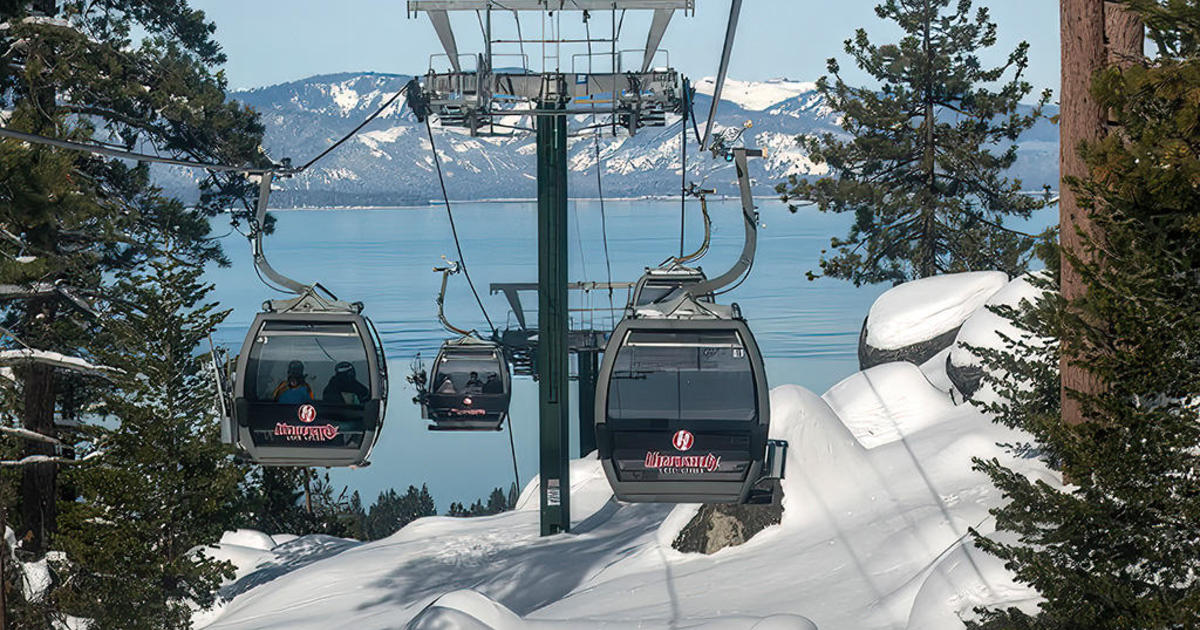
SOUTH LAKE TAHOE, Calif. — Two skiers lost their lives in separate incidents Friday at Heavenly Mountain Resort on the shores of Lake Tahoe, adding to a grim tally of fatalities that has plagued the region's ski areas this February. The deaths, reported by the Douglas County Sheriff's Office, occurred around 11:55 a.m. Pacific Time at the resort's Boulder Lodge area, which straddles the California-Nevada border. Authorities emphasized that the incidents were unrelated, with no known connection between the victims.
According to the sheriff's office, Heavenly Ski Patrol transported both individuals to the base area, where paramedics and patrol members performed life-saving measures. Despite these efforts, both skiers were pronounced dead at the scene. The victims, a 58-year-old man and a 33-year-old man, have not been publicly identified pending notification of their next of kin.
Heavenly Mountain Resort provided further details in a statement, clarifying the circumstances of each tragedy. "One of the incidents involved a 58-year-old man suffering a medical emergency on the Tamarack Trail," the resort said. The other fatality was described as a skiing accident on the Orion Trail involving the 33-year-old man. Officials have not released additional information on the nature of the medical emergency or the specifics of the skiing mishap.
The Douglas County Sheriff's Office described both as ski-related fatalities but stopped short of linking them to weather conditions or other external factors. An active investigation is underway, and authorities have not indicated any foul play or negligence on the part of the resort. Heavenly Resort, a popular destination known for its expansive terrain across 4,800 acres, has seen heavy traffic this season amid favorable snow conditions in the Sierra Nevada mountains.
This latest double tragedy caps a particularly deadly month for skiers in the Lake Tahoe region, where a combination of backcountry adventures, resort skiing, and variable weather has led to multiple losses. Just days earlier, on Tuesday, an avalanche near Castle Peak in Nevada County, California, turned catastrophic, claiming the lives of at least eight backcountry skiers. That event, involving a group of 15 on a guided touring trip, has been confirmed as the deadliest avalanche in California's recorded history.
Of the group caught in the slide, six managed to survive, according to California authorities. Search and rescue teams later located the bodies of eight victims, while a ninth person remains presumed dead. The incident has drawn scrutiny to the outfitter leading the trip, with state officials launching an investigation into possible criminal negligence. Details on the company's identity and the exact cause of the avalanche—potentially triggered by unstable snowpack after recent storms—have not been fully disclosed.
Earlier in the week, another somber discovery unfolded at Northstar California Resort, also on the California side of Lake Tahoe. A 21-year-old skier, who was an off-duty employee at the resort, was reported missing and later found dead on an advanced trail. Resort officials confirmed the finding but provided no further details on the cause of death, leaving open questions about whether fatigue, terrain difficulty, or other factors contributed.
Northstar has been at the center of multiple incidents this month alone. On February 15, a 53-year-old man from the San Francisco Bay Area succumbed to injuries after colliding with another skier on the slopes. The week before that, on February 8, a 26-year-old man from Los Angeles died while navigating an advanced trail at the same resort. In each case, authorities reported the deaths as skiing accidents, with no indications of broader safety lapses at the facility.
The string of fatalities has raised concerns among the skiing community and safety experts about the risks inherent in winter sports around Lake Tahoe. The area, renowned for its crystalline waters and towering peaks, attracts hundreds of thousands of visitors annually, particularly during peak snow seasons. February's unusually high number of deaths—now totaling at least 12 across various resorts and backcountry areas—has prompted discussions on skier preparedness and avalanche awareness.
While the Heavenly incidents do not appear weather-related, according to preliminary reports from the sheriff's office, the broader context of the month includes heavy snowfall and fluctuating temperatures that can destabilize snow layers. The U.S. Forest Service and local avalanche centers have issued warnings throughout the season, urging backcountry enthusiasts to check forecasts and carry proper equipment like beacons and probes. At resorts like Heavenly and Northstar, mandatory slow zones and patrol sweeps are standard, but incidents persist.
Representatives from Heavenly Mountain Resort expressed condolences in their statement, emphasizing the resort's commitment to guest safety. "Our thoughts are with the families and friends of those affected," the statement read, though it did not elaborate on operational changes in response to the deaths. Vail Resorts, which operates Heavenly, Northstar, and other Tahoe properties, has faced similar scrutiny in past seasons over crowd management and trail markings, but no such issues have been cited in these recent cases.
The avalanche at Castle Peak, in particular, highlights the dangers of venturing beyond resort boundaries. Backcountry skiing has surged in popularity post-pandemic, with more amateurs joining guided tours. California's investigation into the guiding company could set precedents for liability in such operations, potentially leading to stricter regulations on trip planning and risk assessments. Officials from the California Department of Parks and Recreation noted that the probe is ongoing, with forensic analysis of snow conditions expected to take weeks.
At Northstar, the deaths of the 21-year-old employee and the two earlier victims underscore the perils even for experienced individuals. The resort, with its 3,170 skiable acres and terrain parks, draws a mix of locals and tourists. Employee safety protocols, including off-duty advisories, are in place, but the young man's passing has reportedly shaken staff morale, according to unconfirmed reports from local ski industry sources.
As investigations continue into all these incidents, the Lake Tahoe ski community grapples with the human cost of its beloved pastime. Families of the victims at Heavenly await closure, while broader questions about seasonal safety linger. With the ski season stretching into spring, resorts are ramping up patrols and awareness campaigns, hoping to prevent further tragedies amid what has been a record-breaking snow year.
Authorities urge all skiers and snowboarders to prioritize education and caution. The Tahoe Daily Tribune and other local outlets have amplified calls from experts like those at the Eastern Sierra Avalanche Center, who stress that knowledge of terrain and weather is paramount. As the region reflects on this deadly February, the focus turns to honoring the lost while reinforcing the safeguards that make Tahoe's slopes a world-class destination.