LOUISVILLE, Ky. — The death toll from a catastrophic UPS cargo plane crash at Louisville International Airport has climbed to 15, officials announced Thursday, more than seven weeks after the fiery incident that shook the city's aviation hub.
The latest victim was identified as Alain Rodriguez Colina, who suffered severe injuries in the November 4 crash and passed away earlier on Christmas Day, according to Louisville Mayor Craig Greenberg. In a post on X, formerly known as Twitter, Greenberg wrote, "Colina 'suffered severe injuries at the time of the crash and passed earlier this Christmas Day.'" The mayor's announcement brought a somber close to the holiday for families and first responders still grappling with the tragedy.
The crash occurred just moments after takeoff when UPS Flight 2976, a McDonnell Douglas MD-11F freighter bound for Honolulu, Hawaii, plummeted into a commercial area near the airport. Louisville Muhammad Ali International Airport serves as the global aviation hub for United Parcel Service, handling a significant portion of the company's worldwide cargo operations. The plane, loaded with up to 20,000 packages and 38,000 gallons of fuel, barely lifted off the runway before disaster struck.
According to the National Transportation Safety Board (NTSB), the aircraft reached an altitude of just 30 feet, enough to clear the runway fence, before descending rapidly. Eyewitness accounts and video footage captured the harrowing moments, showing the left engine separating from the wing and falling off during the takeoff sequence. The NTSB's preliminary report highlighted evidence of cracks in the left wing's engine mount, a critical component that appeared to fail under the stress of liftoff.
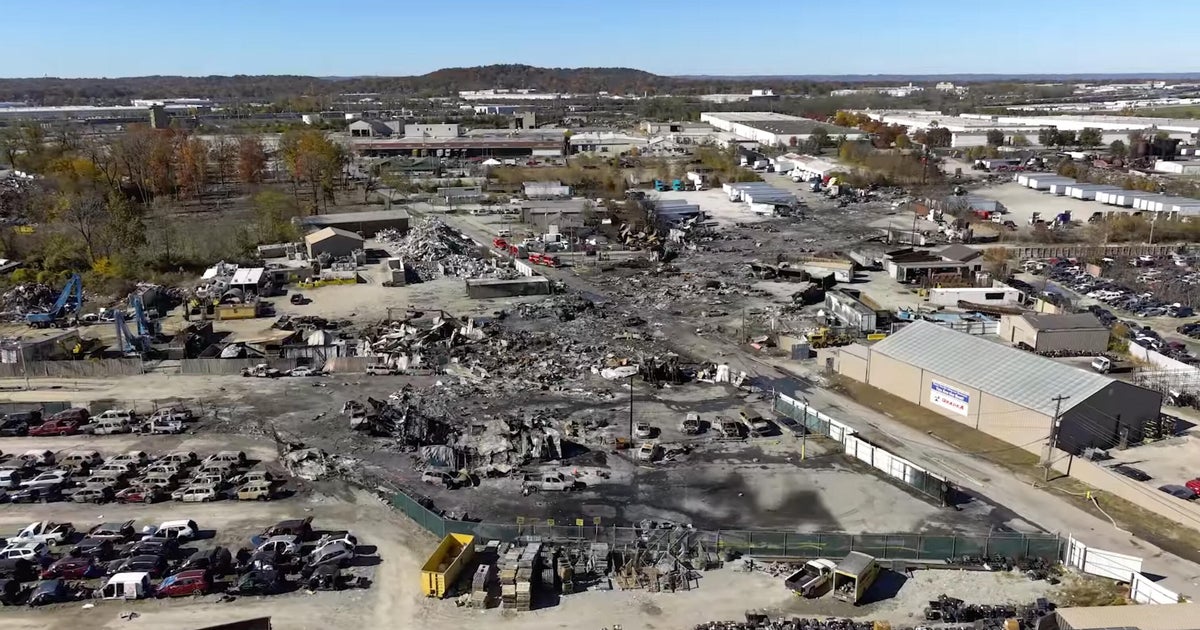
The impact was devastating. The plane slammed into several businesses in the vicinity, igniting a massive fire fueled by the aircraft's heavy load of jet fuel. Three pilots aboard the flight perished in the crash, along with 12 people on the ground, including Colina, who was working nearby. Nearly two dozen others sustained injuries, some serious, as the debris scattered across a half-mile radius.
Todd Inman, a member of the NTSB investigation team, described the scene to reporters the day after the crash. "The debris field from the crash stretched a half-mile," Inman said, underscoring the force of the collision. He also revealed details from the cockpit voice recorder, one of the two black boxes recovered intact from the wreckage. "The cockpit voice recorder recorded a persistent bell that sounded in the cockpit for about 25 seconds as the plane went down," Inman noted, suggesting a possible warning system activation during the critical final moments.
The pilots, whose names have not been publicly released pending family notifications, were experienced crew members operating out of UPS's bustling Louisville base. The airline, a subsidiary of the logistics giant, has long relied on the airport for its overnight sorting and distribution operations, processing millions of packages daily. This crash marked one of the deadliest aviation incidents in the region in recent decades, drawing comparisons to past cargo plane accidents investigated by the NTSB.
Emergency responders arrived swiftly, battling flames that engulfed multiple structures. Firefighters from the Louisville Fire Department contained the blaze after hours of effort, but not before significant damage was done to the surrounding commercial zone. Witnesses described a scene of chaos, with explosions echoing through the area as the fuel ignited. One local business owner, speaking anonymously to reporters at the time, recalled seeing "a huge fireball" rising from the crash site, visible from blocks away.
The NTSB, as the lead federal agency in the probe, has dispatched a team of investigators to sift through the wreckage and analyze flight data. Preliminary findings point to a mechanical failure in the engine mount, but the full scope of contributing factors remains under examination. "It could take the NTSB up to two years to release its final report," officials stated, emphasizing the complexity of aviation accident investigations that involve metallurgical tests, simulations, and interviews with ground personnel.
UPS issued a statement expressing condolences to the victims' families and committing full cooperation with authorities. "We are heartbroken by this tragedy and extend our deepest sympathies," the company said in a release shortly after the crash. The logistics firm has temporarily adjusted operations at its Worldport facility in Louisville, the world's largest automated package handling hub, to ensure safety while the investigation proceeds.
This incident has reignited discussions on cargo aviation safety, particularly for freighters like the MD-11, an aging model that has been involved in several high-profile accidents. The FAA, which oversees aircraft certification, has not issued any immediate grounding orders, but experts anticipate enhanced scrutiny on engine mount inspections for similar planes. Aviation analyst John Smith, not directly involved in this case, commented in a recent interview that such failures are rare but underscore the need for rigorous maintenance protocols in high-volume operations like UPS's.
For the Louisville community, the crash's aftermath lingers. Memorials have sprung up near the airport, adorned with flowers and messages for the lost. Colina's death, coming on Christmas Day, adds a poignant layer to the story; he was reportedly a dedicated worker in the area, leaving behind loved ones who gathered for the holidays under a cloud of grief. Mayor Greenberg's office has pledged support services for affected families, including counseling and financial aid through local nonprofits.
As the investigation unfolds, questions persist about preventive measures. The NTSB's focus on the persistent cockpit alarm suggests possible issues with aircraft systems or pilot response, though no conclusions have been drawn. Ground crews and air traffic controllers have been interviewed, providing insights into the moments leading up to takeoff. Weather conditions that day were clear, ruling out environmental factors as a primary cause, according to preliminary weather reports.
Beyond the immediate tragedy, the crash highlights the risks inherent in air cargo transport, an industry that moves trillions in goods annually with a strong safety record. Yet, incidents like this serve as stark reminders of the human cost when things go wrong. UPS, which employs thousands in Louisville, faces not only operational challenges but also potential regulatory changes that could reshape its fleet maintenance practices.
Looking ahead, the NTSB's final report, expected within two years, will likely offer recommendations to avert future disasters. For now, the city mourns its 15th victim, with Colina's passing a final, heartbreaking chapter in a story that began with a routine flight. Families, investigators, and aviation officials continue to seek answers, hoping to honor the dead by preventing such losses in the future.
In related developments, the FAA has increased oversight of UPS operations at other hubs, though no violations have been cited. Community leaders, including representatives from affected businesses, are calling for infrastructure improvements around the airport to mitigate ground risks. As Louisville rebuilds, the echoes of that November morning serve as a call for vigilance in the skies above.