COPENHAGEN, Denmark — In a bold move blending culinary innovation with cultural recognition, Denmark is embarking on an exploration to determine if gastronomy can be officially classified as an art form. The initiative, announced by Culture Minister Jakob Engel-Schmidt in January, could position high-end cooking on the same legal footing as painting, music, or literature, potentially making Denmark the first nation to do so.
At the heart of this push is the Alchemist restaurant in Copenhagen, where chef Rasmus Munk creates what he calls an “immersive dining experience” rather than traditional meals. Opened in 2019 in a former industrial harbor area, Alchemist earned the title of the world’s fifth-best restaurant in 2025 and holds two Michelin stars, denoting exceptional cuisine. Diners are treated to 50 “impressions,” many edible, over several hours in a planetarium-like domed room featuring projections, music, and performances.
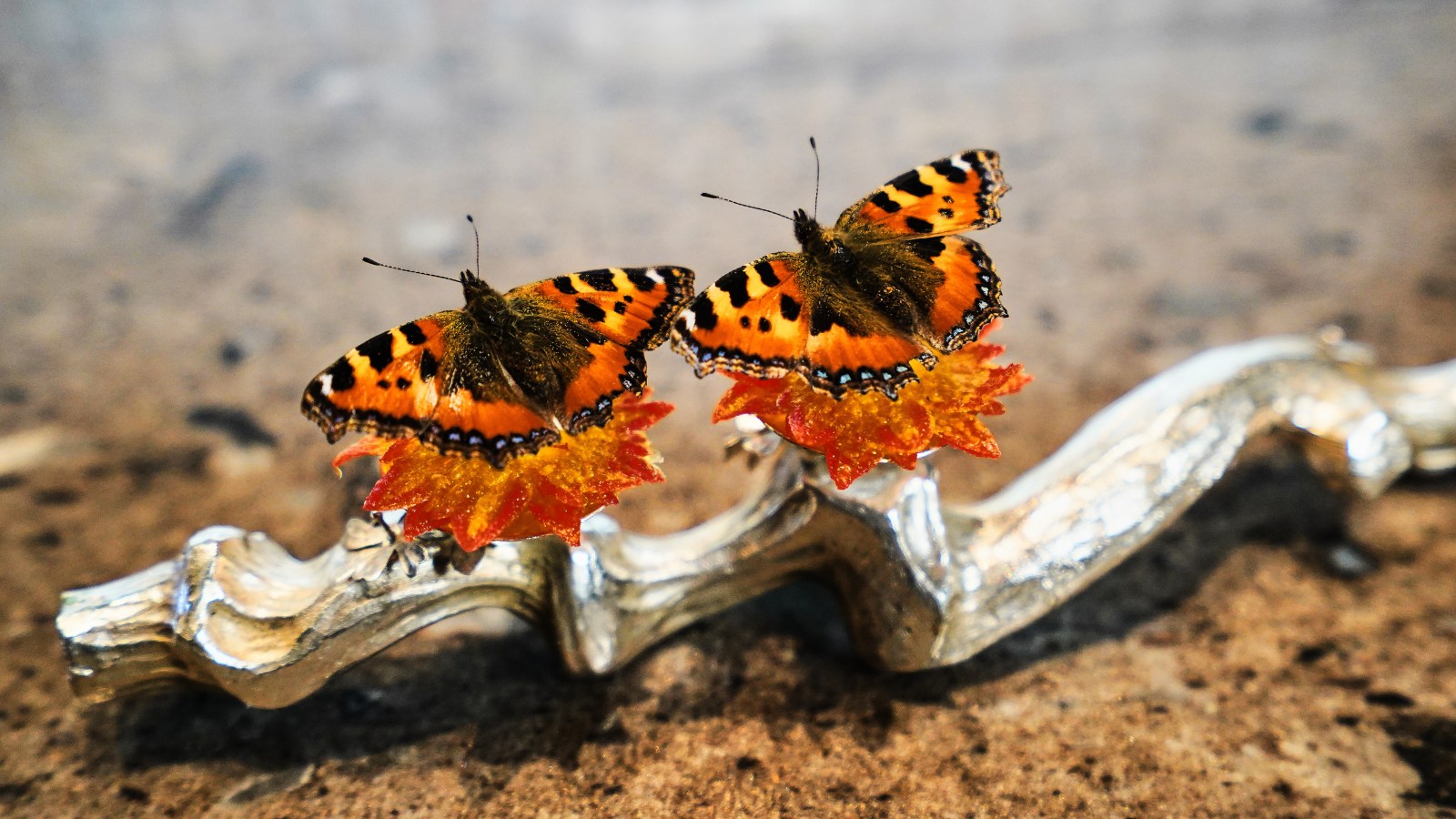
One signature offering is “edible plastic” crafted from algae and collagen derived from fish skins, served while holographic images of ocean-borne plastic pollution drift across the ceiling, evoking the vast garbage patches polluting the seas. Other dishes include a large eyeball featuring caviar and codfish eye gel, and nettle butterflies perched on cheese and artichoke leaves. “We convey messages through our food, our food is our medium of expressing ourselves,” Munk said, explaining how his creations also address themes like state surveillance and animal welfare.
Munk, 34, who spent nearly a decade refining his “artistic practices,” has been a key advocate for the recognition. He described the potential change as a “big milestone,” adding, “I don’t think all food is art … I think the craftsmanship needs to be on the highest level.” He noted that defining art remains a political decision, observing that currently, “this is a closed society for chefs.”
The proposal stems from Denmark’s evolving culinary landscape, which has gained global acclaim since the launch of the New Nordic movement in 2003. That year, René Redzepi’s Noma restaurant revolutionized Scandinavian cuisine by emphasizing foraging, fermenting, and local seasonal ingredients, moving beyond traditional staples like bacon, herring, and rye bread. Today, Copenhagen boasts 37 Michelin-starred establishments, cementing the country’s status as a dining destination for food enthusiasts worldwide.
Engel-Schmidt’s announcement signals a formal inquiry into reclassifying gastronomy from a craft to an art form, a shift that would require approval from Denmark’s 179-seat parliament. If passed, it could unlock state subsidies and funding from private foundations for chefs, similar to support available to writers, musicians, and visual artists. Proponents argue this would foster innovation and elevate the profession’s prestige.
Another Copenhagen chef embracing the artistic angle is Nicolai Nørregaard, head chef and creative director at the two-Michelin-starred Kadeau, which opened in 2011. Drawing inspiration from the seasonal flavors of the Danish island of Bornholm, Nørregaard said, “I approach it like I would approach making a piece of art, like an artwork or a piece of writing. It’s about getting sort of an experience.” He views the recognition as a “big step,” emphasizing, “To acknowledge that this can also be looked upon as art … that’s what’s important for me.”
Denmark has a history of broadening its definition of art and culture. In recent years, the country awarded a lifetime national arts honor to heavy metal musician King Diamond and bestowed the prestigious Sonning Prize—Denmark’s largest cultural award—on French gastronomic artist and chemist Hervé This last year. These precedents suggest a willingness to embrace diverse creative expressions.
However, the proposal has sparked debate, even within the culinary world. Nick Curtin, the American executive chef and owner of Copenhagen’s one-Michelin-starred Alouette restaurant, contends that gastronomy and art serve different purposes. “Art’s sole purpose is expression. It’s to evoke emotion. Food must be consumed,” he said. Curtin argued that while food can stir emotions, “(Art) can evoke disgust or disappointment or pain or sorrow or joy or longing. Food actually can’t express all of those things. It can, but it shouldn’t.”
Critics from the traditional arts community worry about resource competition. Some in Denmark’s art scene have voiced concerns that elevating gastronomy could intensify rivalry for limited funding between chefs and established artists like painters. Holger Dahl, architecture and art critic at the 277-year-old Berlingske newspaper, dismissed the idea outright, calling it “quite silly, there’s no use, it doesn’t make any sense.”
Dahl drew a vivid analogy to illustrate his point: “It’s a little bit like a bicycle and a car — they have round wheels, they’ll take you from one point to another point, but it’s not like a very good bicycle all of a sudden turns into a car. It doesn’t happen.” His critique highlights a broader skepticism about blurring the lines between consumable crafts and enduring artistic mediums.
The timing of this exploration adds another layer of uncertainty, as Denmark heads to a general election on March 24. It remains unclear how the political shift might affect the culture ministry’s plans, though supporters like Munk remain optimistic about the potential for change.
Internationally, Denmark’s bid stands out. Nations with renowned food cultures, such as France and Japan, have not pursued similar legal recognitions. Last year, UNESCO designated Italian cooking as intangible cultural heritage, a status that honors tradition without equating it to fine arts. If Denmark succeeds, it could inspire other countries to reconsider the boundaries of culinary creativity.
For now, the initiative is in its early, exploratory phase, with no set timeline for parliamentary consideration. Chefs like Munk and Nørregaard continue to push boundaries in Copenhagen’s vibrant dining scene, where meals double as thought-provoking spectacles. Whether gastronomy earns its artistic laurels could redefine not just Denmark’s cultural policy, but how the world perceives the intersection of food and expression.
As the debate unfolds, one thing is clear: Denmark’s culinary revolution, born from the New Nordic ethos two decades ago, shows no signs of slowing. With 6 million residents and a disproportionate number of world-class restaurants, the Nordic nation is proving that its influence extends far beyond the plate.