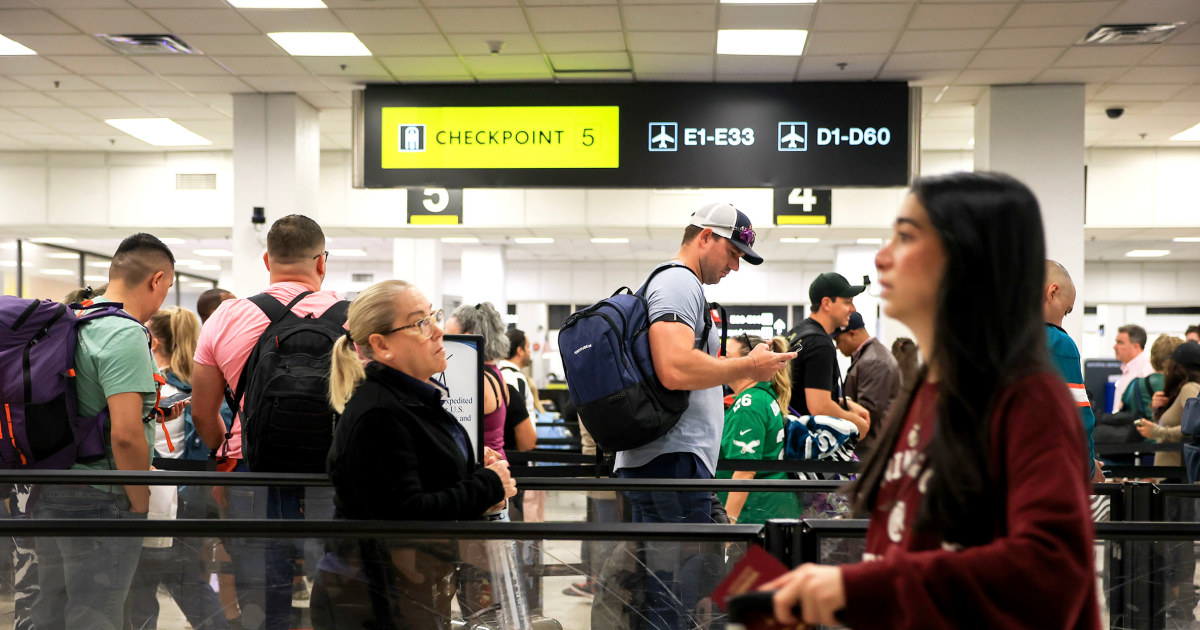
WASHINGTON — The Department of Homeland Security announced Saturday that it will suspend popular traveler programs including TSA PreCheck and Global Entry starting Sunday morning, citing a funding lapse that has left key agencies without paychecks for their personnel.
The suspension affects millions of enrolled travelers who rely on these expedited screening options at airports and border crossings. TSA PreCheck allows pre-vetted passengers to pass through security checkpoints with fewer restrictions, such as keeping shoes on and laptops in bags, while Global Entry provides U.S. citizens and permanent residents with streamlined customs processing upon re-entry to the country. According to a DHS official, the pause begins at 6 a.m. ET on Sunday, disrupting what is typically one of the busiest travel weekends of the year.
DHS spokeswoman Tricia McLaughlin confirmed the decision in a statement, noting that the move is a direct response to the ongoing funding shutdown that began on February 14. The lapse stems from stalled negotiations between the White House and Senate Democrats over proposed changes to DHS and its Immigration and Customs Enforcement agency. These talks were prompted by a controversial federal crackdown on undocumented immigrants in Minneapolis, where two individuals were killed by law enforcement personnel earlier this month.
Homeland Security Secretary Kristi Noem sharply criticized congressional Democrats for the impasse, arguing that the shutdown poses immediate risks to national security and the livelihoods of DHS employees. "Shutdowns have serious real world consequences, not just for the men and women of DHS and their families who go without a paycheck, but it endangers our national security," Noem said in a statement released Saturday. She added, "The American people depend on this department every day, and we are making tough but necessary workforce and resource decisions to mitigate the damage inflicted by these politicians."
The funding crisis has hit several DHS components hard. Personnel at the Federal Emergency Management Agency, the Transportation Security Administration, and the U.S. Coast Guard are among those not receiving paychecks, though most are required to continue reporting for duty because their roles are deemed essential to public safety. In contrast, agents with Immigration and Customs Enforcement and U.S. Customs and Border Protection are carrying on with paid operations, thanks to $75 billion in prior-year funding approved under President Donald Trump’s 2017 tax cut and spending legislation.
Noem outlined how the department plans to allocate its limited resources during the lapse. She said Customs and Border Protection and the TSA will focus on serving the general traveling public, potentially leading to longer lines and delays for everyone at major airports like those in New York, Chicago, and Los Angeles. "This is particularly important given this weekend another significant winter storm is forecast to impact the Mid-Atlantic and Northeast United States," Noem noted, highlighting the timing's unfortunate overlap with severe weather that could strain already stretched airport operations.
The decision to pause TSA PreCheck and Global Entry was first reported by The Washington Post, which detailed internal DHS memos outlining the cuts as a way to conserve funds for core missions. Travelers enrolled in these programs, which collectively serve over 20 million people according to recent TSA figures, may face significant inconveniences. For instance, at hubs like Hartsfield-Jackson Atlanta International Airport, the busiest in the world, PreCheck lanes handle up to 80% of screened passengers on peak days, and their closure could add hours to security wait times.
Global Entry, which costs $100 for a five-year membership and requires extensive background checks, is particularly vital for international business travelers and frequent flyers returning from Europe, Asia, and Latin America. The program's suspension at ports of entry, including major crossings like those at Los Angeles International Airport and the San Ysidro border point with Mexico, could slow re-entry processes and exacerbate backlogs for legitimate travelers.
The broader context of the shutdown traces back to escalating tensions over immigration enforcement. The Minneapolis incident, involving the deaths of two undocumented immigrants during a raid by federal agents, has fueled bipartisan debates in Congress. Senate Democrats have pushed for reforms to ICE's operational guidelines, including increased oversight and limits on use-of-force protocols, while the White House has resisted what it calls attempts to undermine border security. As of Saturday, no resolution appeared imminent, with negotiations described by sources close to the talks as "acrimonious."
Travel industry representatives expressed alarm over the potential ripple effects. The Airlines for America trade group, representing major U.S. carriers, warned that the suspensions could lead to widespread delays and frustrated passengers, especially with Super Bowl travel still lingering in some regions and Valentine's Day getaways winding down. "These programs are not luxuries; they are essential to efficient air travel," said a spokesperson for the group, who requested anonymity due to ongoing discussions with federal officials.
Meanwhile, FEMA's role in disaster response is also curtailed. The agency will halt non-emergency activities, such as community preparedness grants and long-term recovery planning, to focus solely on active crises. This comes at a precarious time, as the forecasted winter storm threatens power outages and road closures from Washington, D.C., to Boston, potentially overwhelming first responders without full federal support.
Coast Guard personnel, operating in harsh conditions from Alaska to the Gulf of Mexico, face similar hardships. Many are on active patrols for drug interdiction and search-and-rescue missions but will forgo pay until funding is restored. Historical precedents from past government shutdowns, like the 35-day impasse in 2018-2019, show that such furloughs can lead to morale issues and operational slowdowns, though DHS insists it has contingency plans in place.
Looking ahead, the fate of the suspended programs hinges on Congress. House Republicans, aligned with the Trump administration's priorities, have proposed a short-term funding bill that maintains current ICE authority, but it has little chance of passing the Democratic-controlled Senate without concessions. White House press secretary Karine Jean-Pierre, in a briefing Friday, urged lawmakers to act swiftly, stating, "No one wins in a shutdown, especially not the American families who rely on these services."
The implications extend beyond immediate travel woes. Economists estimate that prolonged disruptions to TSA operations could cost the aviation sector millions daily in lost productivity, while unpaid DHS workers—many with families—may turn to food banks and credit cards to make ends meet, echoing hardships from previous shutdowns. As the winter storm bears down, officials in affected states are bracing for compounded challenges without the full backing of federal resources.
For now, DHS advises travelers to prepare for standard screening procedures and check airport websites for updates. Enrollment centers for PreCheck and Global Entry will also close temporarily, halting new applications and renewals. As negotiations drag on, the suspension serves as a stark reminder of how partisan gridlock can ground even the most routine aspects of American life.