ST. PAUL, Minn. — The U.S. Department of Justice has unsealed an indictment charging 30 additional individuals in connection with an anti-Immigration and Customs Enforcement protest that disrupted a church service last month, bringing the total number of defendants to 39 in what authorities describe as a coordinated attack on a house of worship.
The announcement came Friday from Attorney General Pam Bondi, who emphasized the federal government's commitment to protecting religious freedoms. In a post on social media, Bondi stated that 25 of the newly charged defendants had already been arrested by federal agents, with more arrests expected. "YOU CANNOT ATTACK A HOUSE OF WORSHIP. If you do so, you cannot hide from us — we will find you, arrest you, and prosecute you," Bondi wrote. She added, "This Department of Justice STANDS for Christians and all Americans of faith."
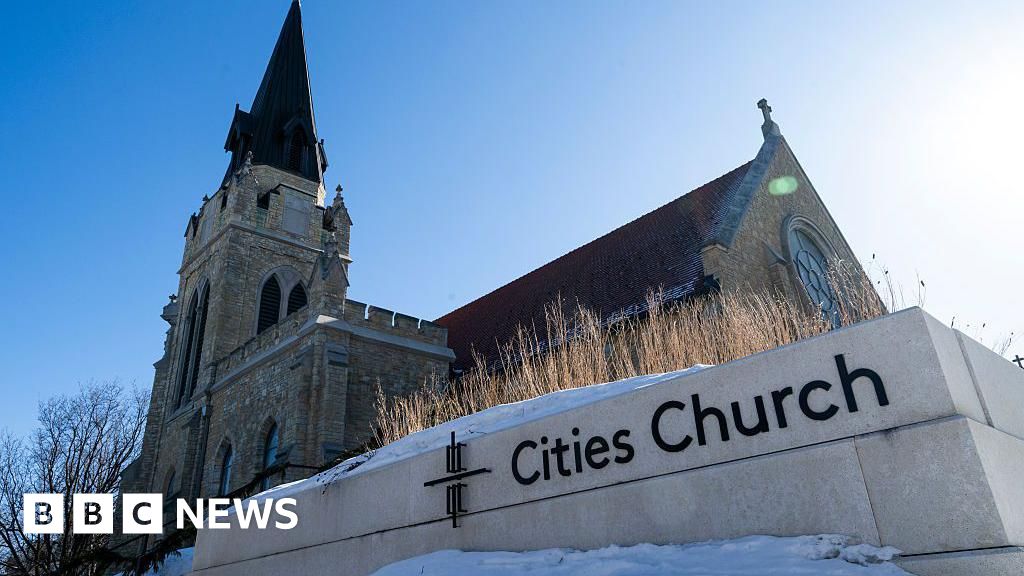
The protest in question occurred on January 18 at the Cities Church in St. Paul, a congregation affiliated with the Southern Baptist Convention. According to the indictment, a group of approximately 40 agitators, including all the named defendants, entered the church in what prosecutors called a "coordinated takeover-style attack." They allegedly engaged in acts of oppression, intimidation, threats, interference, and physical obstruction during the disruption of an ongoing worship service.
Footage from the incident captured a chaotic scene inside the church, where protesters chanted slogans such as "ICE out" and "Justice for Renee Good," referring to a Minnesota mother of three who was fatally shot by a U.S. Immigration and Customs Enforcement officer in Minneapolis the previous month. The chants interrupted the service, leading to shouting matches between protesters and church members, including instances where congregants, some with children present, expressed fear for their safety.
Among those initially arrested was former CNN anchor Don Lemon, who was one of 10 people charged shortly after the event. Lemon, along with the other original defendants, has pleaded not guilty to charges of civil rights violations, specifically conspiracy against religious freedom at a place of worship and injuring, intimidating, and interfering with the exercise of religious freedom. The indictment accuses Lemon and his co-defendants of participating in the coordinated entry and disruptive actions, though Lemon has maintained that he was acting in his capacity as an independent journalist.
In a statement released soon after his arrest, Lemon defended his involvement, saying, "I have spent my entire career covering the news. I will not stop now." He was live-streaming the protest when the confrontation escalated, a detail that prosecutors have highlighted as evidence of premeditated involvement rather than neutral reporting.
Doug Wardlow, the attorney representing the Cities Church, welcomed the additional charges in a statement posted to social media. "This sends a clear message: houses of worship are off limits for those who would use chaos and intimidation to advance a political agenda," Wardlow said. He further noted that the protest "placed congregants, including children, in fear for their lives," underscoring the impact on the church community.
The broader context of the protest ties into ongoing tensions over the Trump administration's immigration enforcement policies in Minnesota. Renee Good's death occurred during a demonstration against ICE operations, which have since been scaled back in the state. Good, a mother of three, was shot by an ICE officer amid what authorities described as a volatile protest situation in Minneapolis.
Just three weeks after Good's killing and one week following the church protest, another tragedy unfolded when federal agents fatally shot Alex Pretti, an intensive care nurse who was also protesting immigration enforcement efforts. Pretti's death prompted an internal review, with the involved border agents placed on administrative leave, according to reports from federal officials. Both incidents have fueled debates over the use of force by immigration authorities and the right to protest in public spaces.
Prosecutors have emphasized that all 39 defendants face the same federal charges, which carry potential penalties of up to 10 years in prison if convicted. The indictment details how the group allegedly planned their entry into the church, with some defendants reportedly coordinating via social media and messaging apps in the days leading up to January 18. Federal agents have been conducting a wider investigation since the initial arrests, leading to the expanded charges announced this week.
While the original 10 defendants, including Lemon, have entered not guilty pleas and are preparing for trial, details on the newly charged individuals remain limited. The DOJ has not released names of all 30 additional defendants, citing ongoing arrests, but sources close to the investigation indicate that many are local activists affiliated with immigration rights groups in the Twin Cities area.
Church leaders at Cities Church have expressed relief at the federal response but continue to advocate for stronger protections for religious institutions. In a sermon following the incident, the church's pastor described the disruption as an assault on faith communities, calling for unity amid political divisions. Meanwhile, civil rights advocates have criticized the charges as an overreach, arguing that the protest was a legitimate expression of First Amendment rights.
The case has drawn national attention, particularly given Lemon's high profile and the intersection of journalism, protest, and religious liberty. Legal experts following the matter suggest that the conspiracy charges could set precedents for how disruptions at places of worship are treated under federal law, especially in politically charged environments.
As the investigation continues, federal authorities are expected to announce further developments, including potential additional indictments. Bondi's office has signaled a zero-tolerance approach, framing the prosecutions as part of a larger effort to safeguard religious freedoms across the country. For the defendants and their supporters, the charges represent a chilling effect on activism against immigration policies.
In Minnesota, where immigration enforcement has been a flashpoint, the events at Cities Church serve as a stark reminder of the tensions simmering beneath the surface. With trials looming, the community awaits resolutions that could influence future protests and the balance between security and free speech.