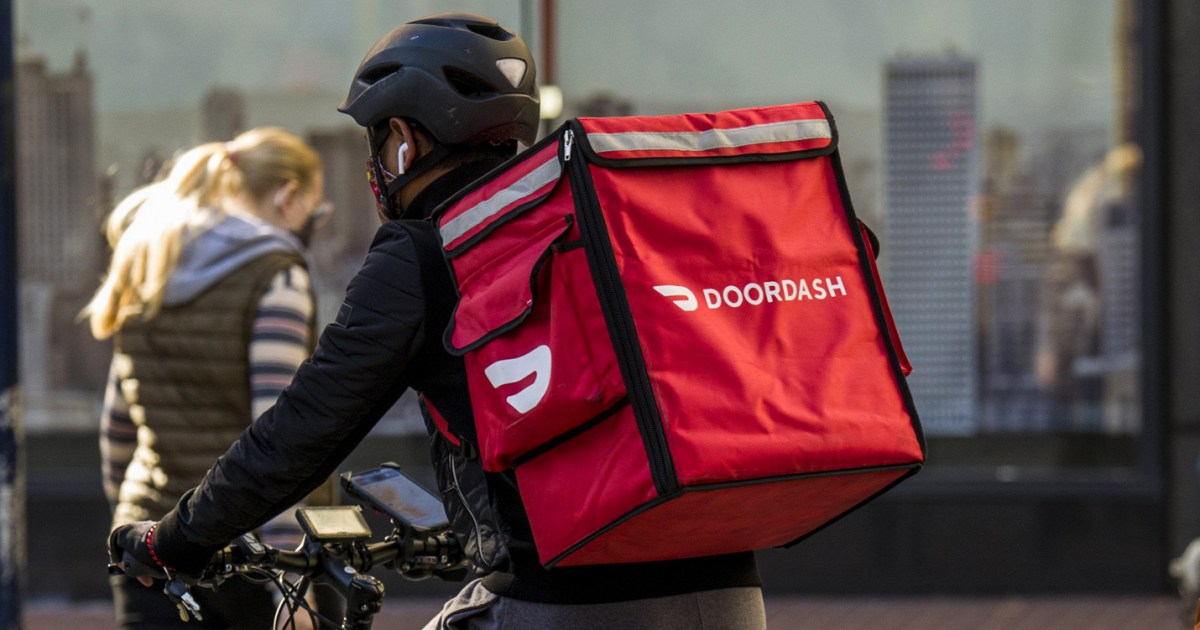
In a move that's expanding the gig economy into the realm of artificial intelligence, DoorDash has launched a new app allowing its delivery drivers to earn extra money by training AI models through everyday tasks. The company, which boasts 8 million gig workers in the U.S., introduced the standalone Tasks app on Thursday, enabling couriers to record themselves performing chores like folding clothes, handwashing dishes, and making a bed. These recordings are intended to help AI and robotics systems better comprehend the physical world, according to DoorDash's announcement.
The Tasks app offers payments based on the effort and complexity of each gig. Simpler activities come with modest payouts, while more challenging ones, such as pruning and repotting plants, provide higher compensation. Couriers can also monetize their language skills by recording unscripted conversations in languages other than English. For instance, one listing targets Spanish speakers, prompting them to engage in natural discussions with friends or family about everyday topics.
"We think this will be huge for building the frontier of physical intelligence," DoorDash cofounder and chief technology officer Andy Fang wrote in a social media post about the launch. "Look forward to seeing where this goes!" Fang's enthusiasm underscores the company's vision for leveraging its vast network of drivers to fuel advancements in AI and robotics.
A DoorDash spokesperson told NBC News that the app will initially concentrate on activities useful for training AI or robotics, with plans to incorporate additional types of tasks in the future. The spokesperson emphasized that the Tasks app represents a small pilot program compared to the broader opportunities in the main Dasher app, where couriers can pick up a wider variety of jobs between deliveries.
This initiative is part of a larger trend in the gig economy, where platforms are tapping workers to generate data for AI development. Last year, Uber tested a similar program for its U.S. drivers, permitting them to complete digital tasks like uploading photos and audio recordings to train AI systems. The data annotation sector has experienced significant growth, with numerous online platforms employing contractors to label and refine AI models.
Companies are increasingly focused on collecting physical data to train humanoid robots and other machines. Such data helps robots learn practical skills, like loading a dishwasher or navigating household environments. The Los Angeles Times reported that Instawork, a staffing app connecting businesses with local hourly workers for same-day jobs, has been hiring people in Los Angeles to wear headbands equipped with phone mounts while recording themselves cleaning their homes.
Other innovators in robotics are pursuing comparable data-gathering methods. Sunday Robotics, based in California, sends a "skill capture glove" to participants nationwide. Workers don the glove to perform household tasks, capturing motion data that trains the AI for the company's developing home robot. The glove records movements, which are then analyzed to improve robotic capabilities.
Beyond the new Tasks app, DoorDash plans to integrate more opportunities within its regular Dasher app. These could include verifying a restaurant's holiday hours, photographing difficult drop-off spots to aid future deliveries, or even assisting autonomous vehicles by helping them return to the road, as outlined in the company's news release.
"These are the kinds of real-world problems we’ve been solving for over a decade, and we realized the same capabilities that helped us could help other businesses too," said Ethan Beatty, general manager of DoorDash Tasks, in a statement. Beatty's comments highlight how the platform's logistics expertise is being repurposed to support broader technological progress.
DoorDash's entry into AI training gigs comes amid a booming demand for human-generated data to advance machine learning. Experts note that while digital data annotation has been around for years, physical world data remains a frontier, essential for creating robots that interact seamlessly with human environments. The company's 8 million drivers provide a ready pool of participants, potentially accelerating data collection at scale.
Critics of the gig economy, however, have raised concerns about worker exploitation in such programs, though DoorDash maintains that the Tasks app offers flexible, voluntary opportunities. The spokesperson clarified that payments are structured to reflect task difficulty, ensuring fair compensation for participants' time and effort.
This development follows DoorDash's ongoing evolution since its founding in 2013 as a food delivery service. Over the years, the company has expanded into groceries, retail, and now ancillary services like AI data contribution. With the Tasks app, DoorDash positions itself not just as a logistics provider but as a key player in the AI ecosystem.
Looking ahead, DoorDash intends to scale the pilot based on user feedback and demand. The company has not specified exact payout amounts or the number of tasks available initially, but early listings suggest a mix of household and conversational activities. As robotics technology advances, initiatives like this could become commonplace, blurring the lines between delivery work and data labor.
The broader implications extend to the future of work in an AI-driven world. By empowering gig workers to contribute to technological innovation, platforms like DoorDash may democratize AI development, though questions remain about data privacy and the long-term value of such gigs. For now, the launch marks an innovative step for DoorDash's workforce, offering a novel way to supplement income amid fluctuating delivery demands.
As more companies explore human-AI collaboration, DoorDash's Tasks app could set a precedent for how everyday actions fuel tomorrow's machines. With its announcement on Thursday, the San Francisco-based company invites its drivers to step into this emerging field, potentially reshaping the gig economy one task at a time.