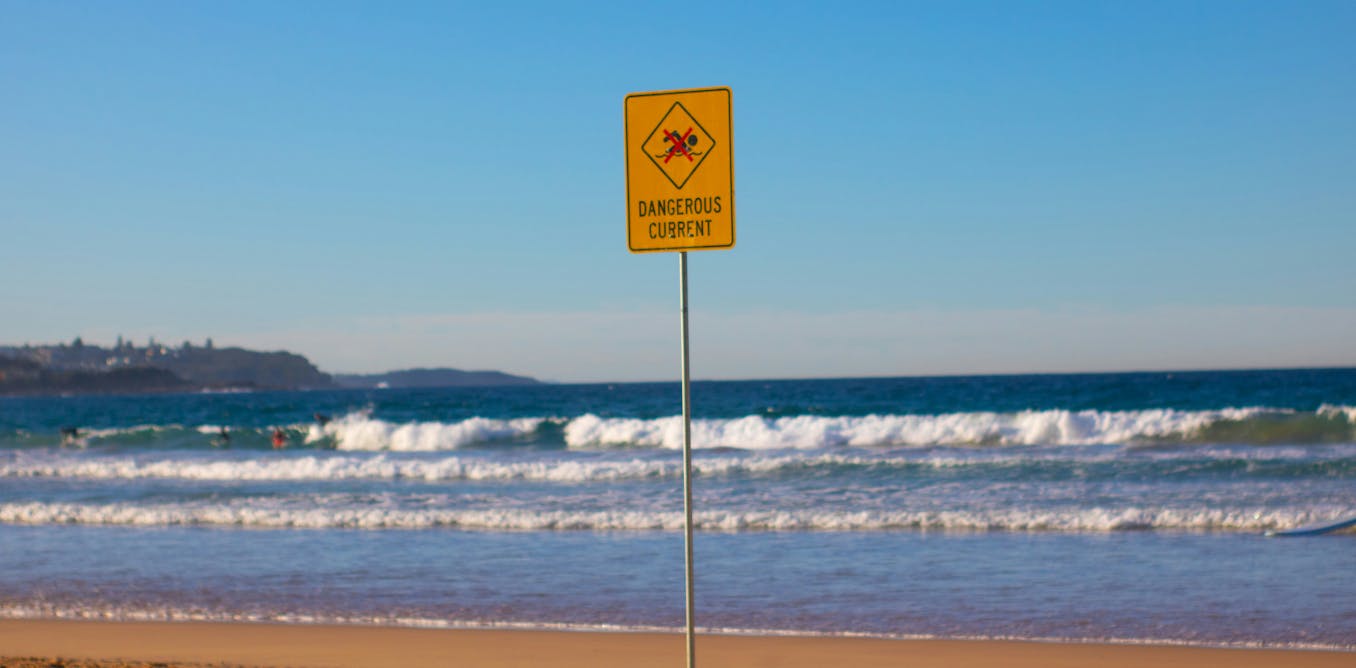
SYDNEY, Australia — Australia is grappling with its deadliest drowning season in three decades, with 357 fatalities reported between July 1, 2024, and June 30, 2025, according to data from water safety organizations. The surge has alarmed experts, who point to a combination of declining swimming proficiency and risky behaviors at unmonitored waterways as key contributors. As summer holidays bring more people to beaches and pools, authorities are turning to artificial intelligence to bolster prevention efforts, from detecting rip currents to alerting lifeguards in real time.
The stark rise in drownings comes amid what experts describe as “crisis-level” declines in swimming skills, particularly in regional, remote, and migrant communities. Many Australians, especially those in outer areas, lack access to formal swim training, leaving them vulnerable during recreational water activities. Unpatrolled beaches and inland waterways, which often lack lifesaving services, have seen increased incidents, alongside the hazardous practice of rock fishing, where individuals are swept off coastal rocks into turbulent waters.
With schools out and families flocking to the coast, drowning risks are amplified during the peak holiday period. Surf Life Saving Australia has launched its virtual “Beach Passport Campaign” this summer to guide the public toward safer, patrolled beaches. The initiative allows users to easily identify supervised swimming areas via an online tool, aiming to steer people away from dangerous spots.
Beyond traditional education, water safety specialists are collaborating with computer scientists to integrate AI into lifesaving strategies. One promising development is surveillance AI deployed at high-risk coastal sites, selected based on historical incident data. Cameras at these locations capture continuous video feeds, which AI algorithms analyze to spot emergency events almost instantly.
“The advantage of AI drowning detection is in reducing emergency response times in dynamic environments,” according to researchers involved in the projects. For instance, if a rock fisher is washed into the water, the system can identify the incident within seconds and notify emergency services, enabling rapid validation and deployment of rescue teams.
Rip currents pose another major threat, as these strong, narrow channels of fast-flowing water are hard for even experienced swimmers to spot. Australian researchers are addressing this through CoastSnap, a community-driven program where beachgoers use smartphones to snap photos of shorelines. These images help build a vast repository—thousands of photos containing rip currents—to train AI models for better detection.
In partnership with Surf Life Saving Australia, the RipEye initiative is a two-way street: it trains lifeguards to recognize rips more effectively, while lifeguards contribute data to refine the AI. Looking ahead, developers are creating a smartphone app for the public that would let users at beach locations capture real-time wave and current movements. The app would then signal whether conditions are safe for swimming, potentially preventing tragedies before they occur.
Public swimming pools, which see about 421 million visits annually across Australia, are also getting an AI upgrade. Local councils are investing in cameras, sensors, and algorithms to monitor these facilities, especially as campaigns like $2 entry fees encourage broader access. Overhead cameras track swimmer activity continuously, with machine learning algorithms trained to detect distress signals such as prolonged submersion or erratic movements.
Lifeguards at pools face constant challenges, from scanning wide areas amid glare, crowds, and weather to managing fatigue during long shifts. AI-enhanced smartwatches can deliver alerts to help overcome these hurdles, supplementing human vigilance. As one expert noted, even “highly trained operators are subject to the fundamental cognitive and perceptual limits of the human brain.”
However, implementing these AI systems requires careful human-centered design to ensure they aid rather than hinder lifesavers. Key considerations include what information to display—too much can overwhelm, while too little might be overlooked—and how to present it, whether through visual cues like colors and icons, audio tones, or vibrations. Placement matters too: alerts on smartwatches, wall displays, or augmented-reality glasses must not distract from other potential dangers.
Timing is critical in vigilance tasks like drowning detection, where attention wanes under stress or fatigue. Alerts that arrive too early might be ignored amid other duties, while those that come too late could miss the window for intervention. “These design decisions matter because drowning detection is a vigilance task – a type of attention known to decline rapidly under fatigue or stress,” researchers emphasize.
Despite their potential, AI tools are not flawless. Camera-based systems raise privacy concerns, as they involve constant monitoring of public spaces. Moreover, the technology can generate false alarms or miss genuine distress, necessitating robust training for users. Systems should explain their assessments clearly and adapt to errors, fostering a partnership between humans and AI rather than reliance on automation alone.
“The benefit of AI alerts depends on human operators’ ability to interpret, trust and act,” according to the experts. So, while AI excels at spotting dangers quickly, its success hinges on delivering information that is “cognitively digestible” when lifesavers need it most. Importantly, these innovations complement, but do not replace, basic safety measures like swimming lessons.
Parents are urged to enroll children in swim classes, where they learn essential skills for survival in water. Organizations stress that AI-powered methods require nearby rescue resources to be effective, underscoring the need for community investment in both technology and traditional lifesaving infrastructure.
As Australia heads into the heart of summer, the message from authorities is clear: technology offers hope, but personal responsibility remains paramount. “Never swim alone, swim between the flags, listen to lifesavers and be vigilant around the water,” advises Surf Life Saving Australia. With drownings at a 30-year high, these combined efforts—education, awareness, and AI—could turn the tide on this preventable crisis.