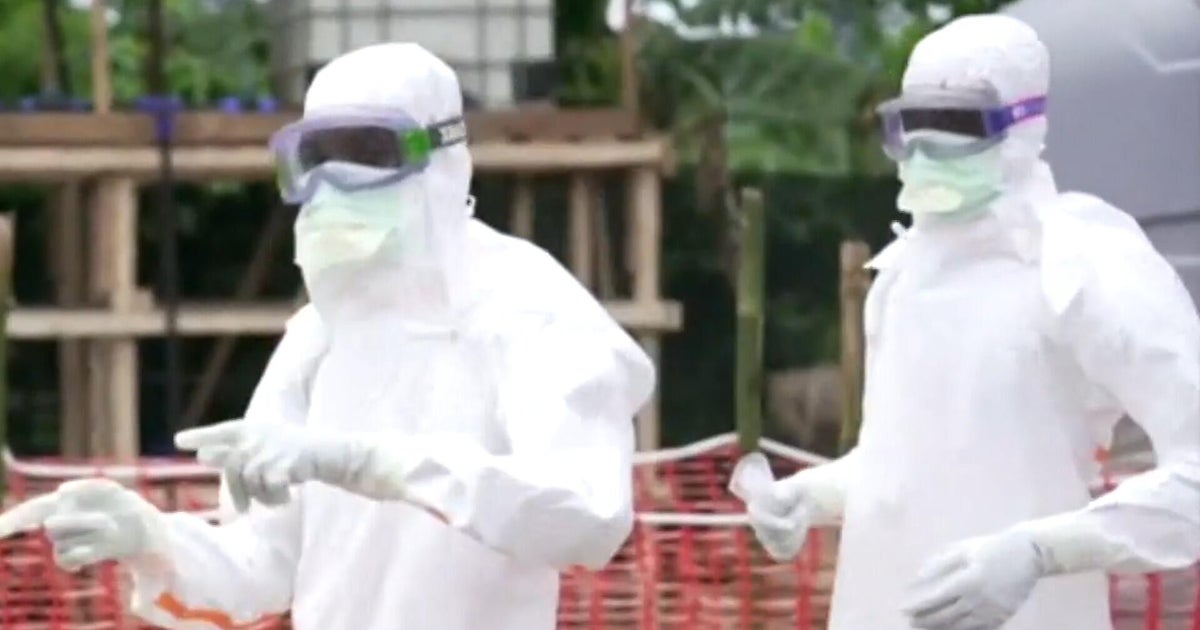
The World Health Organization has declared the ongoing Ebola outbreaks in two African countries a global health emergency, citing the need for a coordinated international response to contain the deadly virus. According to reports from CBS News, the decision comes amid rising cases that have already claimed numerous lives across the affected regions.
Officials said the declaration, known formally as a Public Health Emergency of International Concern, aims to mobilize resources and expertise from around the world. Imtiaz Tyab reported on the developments, highlighting how the outbreaks have prompted swift action from global health authorities.
The virus, which causes severe bleeding and organ failure, has a high fatality rate in previous epidemics. Health workers on the ground have described challenging conditions, with limited medical supplies and difficult terrain complicating efforts to trace contacts and isolate patients.
Local governments in the impacted nations have implemented travel restrictions and vaccination campaigns in an attempt to slow transmission. One official noted that "early detection remains critical to preventing further spread beyond current hotspots."
International aid organizations are reportedly preparing to send additional personnel and equipment. Experts have emphasized the importance of community engagement to build trust in health interventions, as past outbreaks have sometimes faced resistance due to misinformation.
Background on Ebola shows it was first identified in 1976 near the Ebola River in what is now the Democratic Republic of Congo. Subsequent outbreaks have varied in scale, with the 2014-2016 West Africa epidemic being the largest on record, resulting in over 11,000 deaths.
Current cases are concentrated in specific districts, though officials have not ruled out the possibility of undetected spread. Surveillance teams are conducting door-to-door checks and monitoring borders closely.
Pharmaceutical companies have accelerated production of experimental treatments and vaccines that proved effective in earlier trials. A spokesperson for one such firm stated that supplies are being prioritized for the hardest-hit areas.
Critics of the response timing argue that earlier intervention could have reduced the initial caseload. However, WHO representatives maintain that the emergency declaration reflects the latest available data and risk assessments.
Neighboring countries have heightened their own preparedness measures, including screening at airports and ports. Travelers are advised to monitor symptoms and seek medical attention if they develop fever or other warning signs after visiting affected zones.
Economic impacts are beginning to surface, with disruptions to trade and tourism in the region. Local businesses have reported declines in activity as residents limit movement to avoid potential exposure.
Researchers continue to study the virus's genetic makeup to understand any mutations that might affect transmissibility or severity. Preliminary findings suggest no major changes from previous strains, according to laboratory reports.
Future steps include regular updates from the WHO and potential follow-up meetings with international partners. The focus remains on supporting frontline responders while advancing research into long-term prevention strategies.
As the situation evolves, health authorities urge the public to rely on verified information from official channels rather than unconfirmed social media reports.