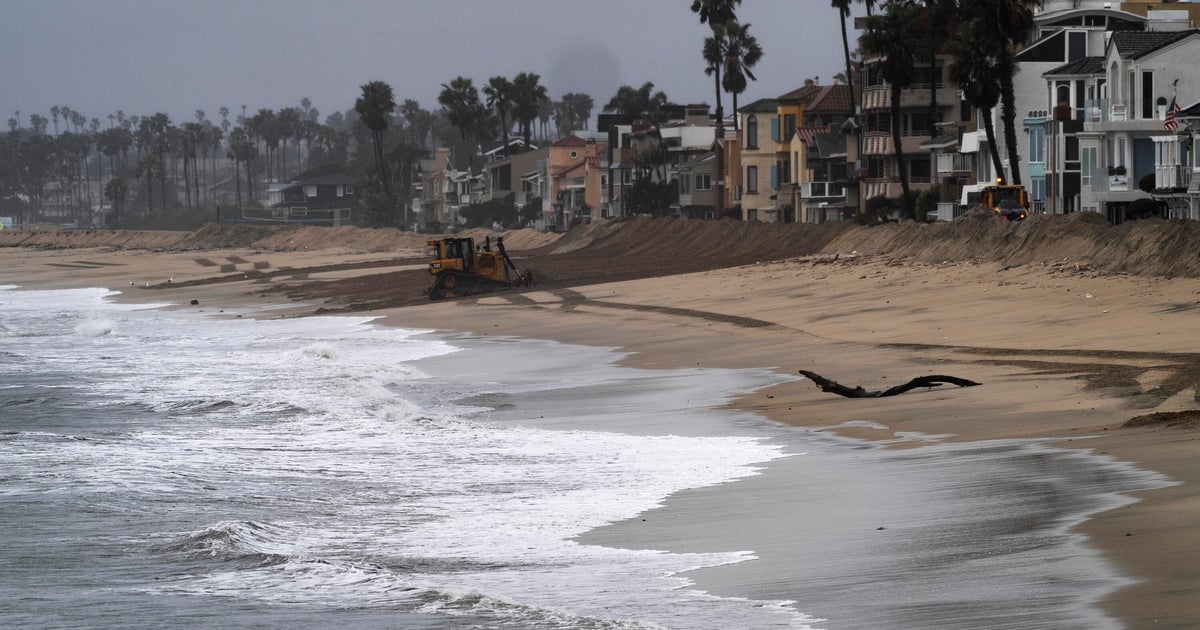
Scientists are warning that an emerging El Niño weather pattern could lead to frequent and widespread high tide flooding along U.S. coasts in the coming years, even in the absence of storms, according to the National Oceanic and Atmospheric Administration.
NOAA oceanographer William Sweet described the situation as a potential "double whammy." He explained that decades of sea level rise have already brought waters close to the brim in many coastal communities. "And now with this second punch — a strong El Niño — coastal communities face more frequent, deeper and widespread high tide flooding along both the West and East Coasts," Sweet said.
The El Niño-Southern Oscillation cycle is currently in a neutral phase after transitioning out of La Niña earlier this year. Forecasters predict El Niño will emerge with at least an 82% chance by July and persist through February in the Northern Hemisphere, according to NOAA's Climate Prediction Center.
El Niño weakens trade winds across the tropical Pacific Ocean, which warms the ocean and raises sea levels around the Americas for several months. This can result in high tides and strong surf on the West Coast, more storm surge along the Atlantic coast, and excessive rain in the southeastern and Gulf coasts.
Sweet noted that strong El Niño events, such as those in 2015-2016 and 2023-2024, led to noticeable increases in high tide flooding compared to previous years. NOAA has been tracking these patterns to better understand the impacts.
The agency is urging coastal communities to monitor conditions using its coastal inundation dashboard, which provides current water levels, forecasts, and monthly flooding outlooks.
High tide flooding, also known as sunny day flooding, has become more common due to rising sea levels, making areas more vulnerable even without major weather events. The combination with El Niño could amplify these risks significantly in 2026 and beyond, officials said.
Communities on both coasts are advised to prepare for potentially deeper and more frequent inundations. NOAA continues to monitor the situation closely as the pattern develops.
Background on the ENSO cycle shows it shifts every two to seven years, alternating between warmer El Niño and cooler La Niña phases. The current forecast marks a shift that could affect weather patterns nationwide.
While the exact intensity of the upcoming El Niño remains uncertain, past strong events provide a basis for concern among researchers. Sweet emphasized the need for awareness and proactive measures in vulnerable regions.
Residents and local officials can access real-time data through NOAA tools to stay ahead of potential flooding. This approach helps mitigate risks associated with the combined effects of long-term sea level rise and the seasonal phenomenon.
Overall, the warning highlights ongoing challenges for coastal areas facing climate-related changes. NOAA's guidance focuses on information and preparedness rather than immediate alarm.