WASHINGTON — Energy Secretary Chris Wright offered a glimmer of hope to Americans grappling with soaring gas prices on Sunday, predicting that the ongoing war with Iran will "certainly" conclude within the next few weeks, potentially easing the strain at the pump.
In an interview on ABC News' This Week with co-anchor Martha Raddatz, Wright addressed the escalating conflict that has disrupted global oil supplies and driven up fuel costs across the United States. "I think that this conflict will certainly come to an end in the next few weeks," Wright said. "Could be sooner than that, but the conflict will come to the end in the next few weeks."
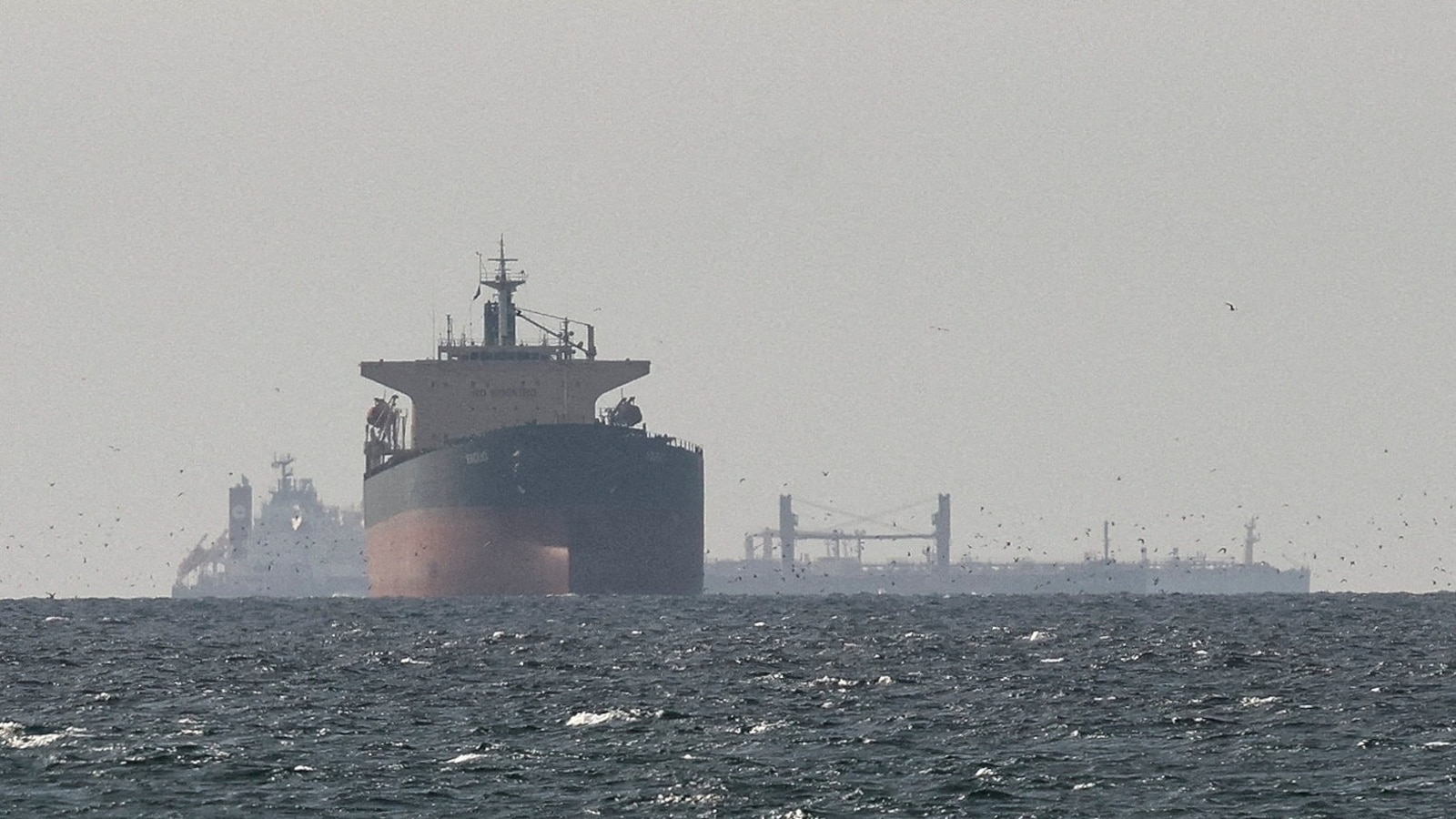
The remarks come amid widespread concerns over the economic fallout from the war, which erupted several weeks ago following heightened tensions in the Middle East. Iran, a major oil producer, has maintained significant leverage through its control of the Strait of Hormuz, a narrow waterway linking the Persian Gulf to the Gulf of Oman. Approximately 20% of the world's crude oil supply transits through this chokepoint daily, making it a vital artery for global energy markets.
According to the source material, Iran has effectively closed the strait to commercial shipping, a move that has sent international oil prices into a tailspin. This disruption has rippled through to U.S. consumers, where gasoline prices have surged dramatically. Data from GasBuddy, a popular fuel price tracking service, showed as of Sunday morning that the national average had risen 76 cents per gallon since the war's onset—a steep climb in a matter of weeks that has added hundreds of dollars to annual driving costs for many households.
Wright acknowledged the immediate hardships but urged patience, suggesting that relief could be on the horizon as the conflict winds down. He noted that the U.S. Navy had previously indicated it was "quite likely" to escort oil tankers through the strait to restore flow, though officials reaffirmed on Sunday that such operations are not yet underway. "Americans should expect gas prices to come down in the next few weeks," Wright told Raddatz, adding a note of caution: "but that there is no guarantee."
"There's no guarantees in wars at all," Wright said. "This is short-term pain to get through to a much better place."
The energy secretary's optimistic timeline contrasts with the uncertainty surrounding the war's trajectory. The conflict, which began with targeted strikes and escalated into broader military engagements, has drawn international attention and condemnation. U.S. officials have described Iran's actions as aggressive provocations, while Tehran has framed them as defensive measures against perceived encroachments on its sovereignty.
Beyond the economic impacts, the war has heightened security risks on U.S. soil. In a related development, the FBI issued an alert warning of Iranian aspirations to launch drone attacks on California in retaliation for the ongoing hostilities. According to the bulletin, intelligence sources indicate that Iran-backed operatives had explored targets in the state, though no specific plots have been confirmed as active. "This is a credible threat that we're monitoring closely," an FBI spokesperson said in a statement released late Saturday, emphasizing heightened vigilance at key infrastructure sites.
President Donald Trump, speaking from the White House on Sunday, called on allied nations to join efforts to secure the Strait of Hormuz. In live updates from the region, Trump urged countries with naval capabilities, including those in Europe and the Gulf Cooperation Council, to provide assistance in reopening the vital passage. "We can't do this alone—our partners need to step up now," Trump said during a brief address to reporters. His comments underscore the multinational dimension of the crisis, with several NATO allies already pledging logistical support but stopping short of direct military involvement.
The broader geopolitical context adds layers of complexity to Wright's predictions. The Strait of Hormuz has long been a flashpoint; historical tensions date back to the 1980s during the Iran-Iraq War, when similar disruptions led to naval confrontations. Today, with global oil demand rebounding post-pandemic, the closure has exacerbated supply shortages, pushing Brent crude futures above $100 per barrel for the first time in years. Analysts from the International Energy Agency have warned that prolonged blockage could tip the world economy into recession if alternative routes aren't secured swiftly.
Domestically, the gas price spike has fueled political debates. Critics of the administration argue that the war's escalation was avoidable, pointing to diplomatic overtures that were reportedly rebuffed by Iranian leaders. Supporters, however, credit the military response with deterring further aggression. Wright's appearance on This Week was seen as an effort to steady public nerves, particularly in swing states where fuel costs could influence upcoming elections.
In a separate but tangentially related incident, officials at Old Dominion University in Norfolk, Virginia, reported that ROTC students played a heroic role in subduing and ultimately killing a gunman on campus Saturday evening. According to university police, the assailant, identified as 24-year-old Marcus Hale, opened fire in a dormitory, wounding three before being confronted by a group of Reserve Officers' Training Corps cadets. "These young men and women acted with incredible bravery," said university president Jonathan Felton in a press release. The event, while unrelated to the Iran conflict, highlights the domestic security strains amid national alerts.
Tragedy struck the U.S. military as well over the weekend, with the Pentagon identifying six Air Force airmen killed in a KC-135 refueling aircraft crash during a training mission near Spokane, Washington. The incident, which occurred Friday night, involved a mid-air malfunction, according to preliminary investigations. The airmen, all stationed at Fairchild Air Force Base, were remembered in a somber briefing by base commander Col. Jeremy Murphy. "Their sacrifice reminds us of the risks our service members face every day," Murphy said.
As the war with Iran enters what Wright hopes is its final phase, questions linger about the path to resolution. Diplomatic channels remain open, with UN Secretary-General Antonio Guterres calling for an immediate ceasefire in a statement issued Monday morning. Envoys from both sides are reportedly in indirect talks mediated by Oman, though progress has been slow. For American consumers, the immediate focus remains on the pump: with summer travel season approaching, even a short delay in reopening the strait could prolong the pain.
Energy experts caution that while Wright's timeline is encouraging, external factors like weather disruptions or renewed Iranian actions could alter the outlook. The U.S. Strategic Petroleum Reserve, tapped earlier this month to release 50 million barrels, has provided some buffer, but officials say it's not a long-term fix. As one economist at the Brookings Institution noted, "The real test will be whether supply chains recover before demand spikes further."
This story is developing, with ongoing coverage of the Iran conflict and its ripple effects. The Appleton Times will provide updates as new information emerges from Washington and the Middle East.