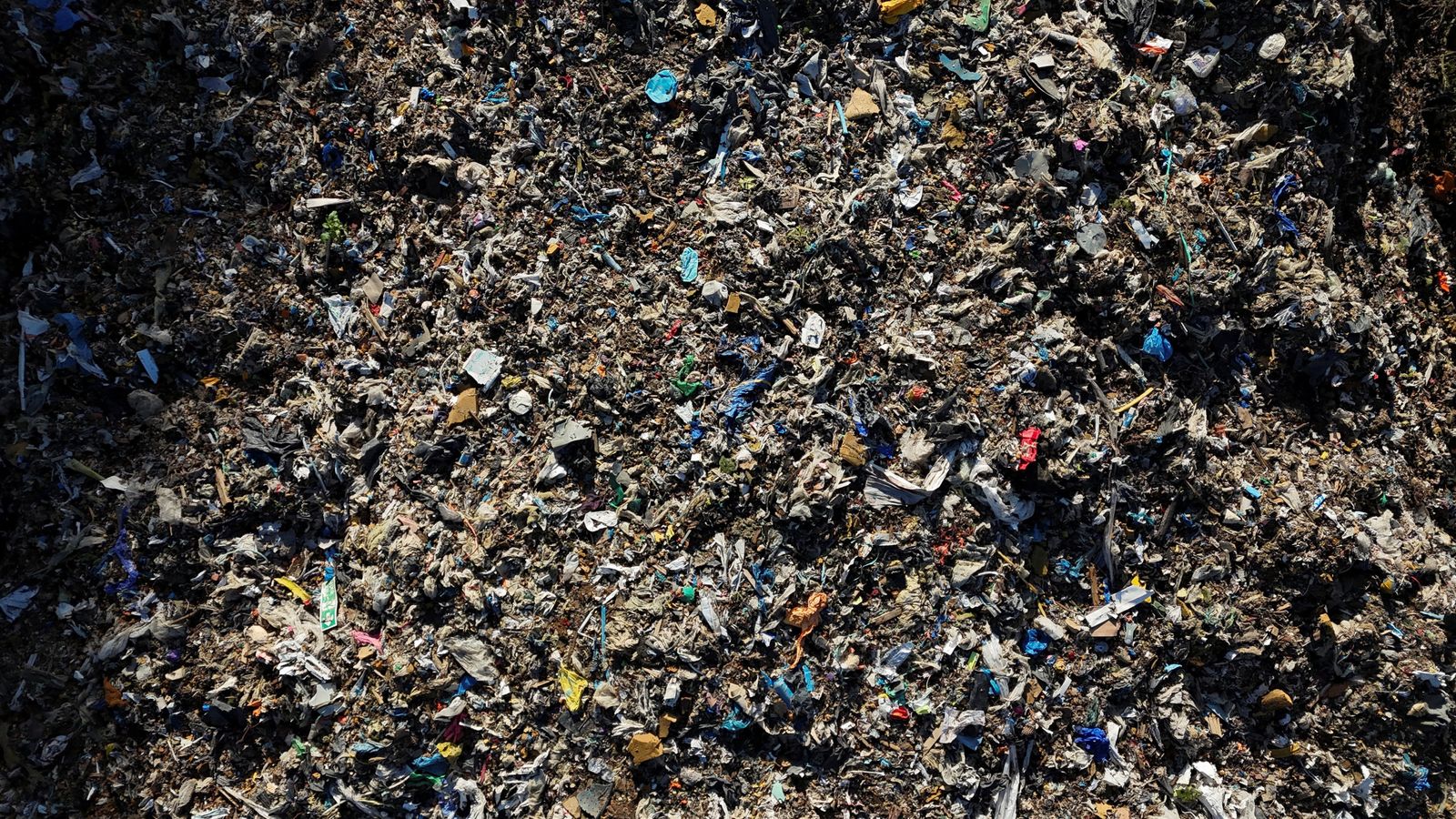
In a bold move to combat the rising tide of illegal waste dumping across England, the government has announced plans to equip Environment Agency enforcement officers with police-style powers, allowing them to arrest suspects without warrants and seize assets linked to waste crime. This initiative, set to be detailed in the forthcoming Waste Crime Action Plan, underscores a zero-tolerance approach to fly-tipping and unauthorized waste sites that have plagued communities and the environment for years. Officials from the Department for Environment, Food and Rural Affairs (DEFRA) described the expansion of powers under the Police and Criminal Evidence Act (PACE) and the Proceeds of Crime Act 2002 (POCA) as a critical step in treating waste crime as serious organized crime.
The announcement comes amid growing concerns over the scale of waste crime, which Sky News investigations have highlighted as a booming underground business exploited by criminal gangs. According to estimates, about a fifth of all waste in England—roughly 34 million tonnes annually, equivalent to filling four million skips—is managed illegally. This illicit activity costs the economy around £1 billion per year, while legitimate waste operators reportedly lose an additional £3 billion in business due to undercutting by fly-tippers who avoid taxes and proper disposal fees. The previous head of the Environment Agency once likened this scourge to the new narcotics, emphasizing its addictive profitability and devastating environmental impact.
Sky News reporters have documented numerous instances of organized fly-tipping, including a July 2023 incident where they tracked a group of suspected offenders who flaunted wads of cash on TikTok after dumping rubbish in rural areas. Such operations often involve being paid to haul away waste only to abandon it in countryside fields or set up illegal sites without sorting or regulatory compliance. In one notable case in Kidlington, Oxfordshire, two men were arrested last year over rubbish dumped in a local field, illustrating the grassroots level at which these crimes occur and affect everyday communities.
Environment Secretary Emma Reynolds, in a statement released alongside the announcement, condemned waste crime as a disgrace that blights the countryside and damages both the environment and economy. "Waste crime is a disgrace. It blights our countryside and communities, damaging our environment and economy," Reynolds said. "That is why we are taking decisive action. We're giving the Environment Agency the police-like powers they need to stop waste criminals in their tracks and bring those responsible swiftly to justice." Her words reflect the government's commitment to enhancing enforcement amid reports of illegal sites proliferating nationwide.
Under the proposed measures, EA officers would gain the authority not only to make warrantless arrests but also to search premises and confiscate assets believed to be proceeds of waste-related crimes. This aligns with broader legislative changes that could impose prison sentences of up to five years on those caught transporting or dealing in illegal waste. DEFRA officials emphasized that these powers would enable earlier interventions, more prosecutions, and financial disruptions to organized gangs. "This would allow officers to intervene earlier, bring more criminals to justice and hit the organised gangs behind illegal waste where it hurts by disrupting their finances," a DEFRA spokesperson stated.
The Environment Agency has already intensified its efforts against waste crime. From July 2024 through the end of last year, the agency secured 122 prosecutions, resulting in 10 custodial sentences and the closure of 1,205 illegal waste sites. These figures demonstrate a ramped-up response, but agency leaders argue that expanded powers are essential to tackle sophisticated criminal networks. Philip Duffy, chief executive of the Environment Agency, acknowledged the progress while calling for continued collaboration. "Waste crime causes misery across communities, and we have significantly stepped up our response to it already. But we are not standing still," Duffy said.
Duffy further stressed the need for comprehensive support beyond internal enhancements. "While having more boots on the ground is important in tackling these criminal networks, we also need to make sure our officers have as many powers as possible to bring them down," he added. "But we can't do this on our own. We are working closely with the police and local government. And we need the eyes and ears of the public to report potential dumping through Crimestoppers or our incident hotline. Working together, we can drive criminals out of our waste sector." This plea for public involvement highlights the pervasive nature of the problem, which often goes unreported until environmental damage is evident.
The government's strategy extends beyond enforcement powers to include innovative information-sharing protocols. Plans are underway to facilitate data exchange between enforcement bodies, banks, and financial institutions, alerting them to suspected waste criminals. This would empower financial entities to reassess business relationships with individuals or firms involved in illegal activities, potentially starving offenders of funding sources. DEFRA described this as a key component in making waste crime financially unviable, treating it on par with other forms of organized crime.
Contextually, waste crime's environmental toll is profound, contributing to pollution, habitat destruction, and health risks in affected areas. Reports have surfaced of communities living in the shadow of massive illegal dumps, such as a 25,000-tonne site that has tormented residents with odors and contamination fears. In response to such challenges, experimental technologies are being explored, including drones equipped with lasers to detect and deter illegal rubbish dumps. These advancements signal a multifaceted approach, blending traditional policing with cutting-edge tools to safeguard public spaces.
While the Waste Crime Action Plan remains unpublished, its inclusion of these police-like powers marks a significant policy shift. The government positions the EA among a select group of organizations with such authorities, sending a clear message about the seriousness of waste offenses. Critics and environmental advocates have long called for stronger measures, pointing to lax enforcement as a primary enabler of the crime's growth. Legitimate industry players, meanwhile, welcome the changes, hoping they will level the playing field against cheap, illegal competitors.
Broader implications of this crackdown could ripple through rural and urban areas alike, where fly-tipping has become a visible blight. In Oxfordshire's Kidlington, for instance, the arrest of two men over a field dumping incident underscores how local enforcement intersects with national policy. As the plan takes shape, stakeholders anticipate it will deter opportunistic offenders and dismantle larger syndicates, potentially reducing the 34 million tonnes of unmanaged waste burdening England's landscapes each year.
Looking ahead, the success of these measures will depend on implementation and inter-agency cooperation. With prosecutions already yielding custodial outcomes, the addition of warrantless powers could accelerate justice delivery. Public reporting lines, such as Crimestoppers and the EA's incident hotline, are expected to play a pivotal role, empowering citizens to contribute to the fight. As Environment Secretary Reynolds put it, the goal is to halt waste criminals in their tracks, restoring cleaner communities and a more sustainable economy.
Related environmental discussions, such as a recent survey revealing that canine food production accounts for 1% of UK greenhouse gas emissions, highlight the interconnectedness of waste management and climate goals. Meanwhile, farmers have expressed relief over political shifts, like Prime Minister Sir Keir Starmer's Christmas U-turn on inheritance tax, which could indirectly support rural efforts against illegal dumping. These threads weave into a larger narrative of environmental stewardship, where tackling waste crime is just one front in a broader battle.
In summary, the government's Waste Crime Action Plan promises a robust framework to address a crime wave that has evaded adequate punishment for too long. By empowering the Environment Agency with enhanced tools and fostering partnerships across sectors, authorities aim to reclaim England's green spaces from the grip of illegal operators. As details emerge, the plan's effectiveness will be closely watched by communities, businesses, and watchdogs alike.