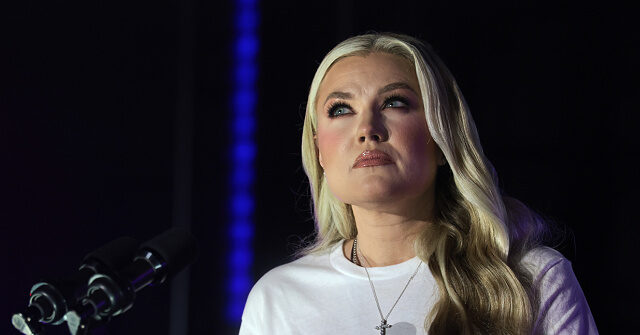
WASHINGTON — Gunfire shattered the glamour of the White House Correspondents' Dinner on Saturday evening, sending high-profile guests scrambling for safety at the Washington Hilton Hotel. Erika Kirk, the CEO of Turning Point USA and widow of the late conservative activist Charlie Kirk, was among those hastily evacuated from the ballroom, tearfully repeating, “I just want to go home,” as security personnel ushered her away from the chaos.
The incident unfolded around 8 p.m., approximately 20 minutes after President Donald Trump arrived at the annual event, which draws journalists, politicians, and celebrities to celebrate the press corps. According to witnesses and officials, a 31-year-old man identified as Cole Allen allegedly stormed a security checkpoint outside the ballroom, armed with a shotgun, a handgun, and several knives. The shooting prompted an immediate evacuation of top officials, including Trump, first lady Melania Trump, and Vice President JD Vance, who were rushed to secure locations by Secret Service agents.
Kirk's emotional plea was captured on video by attendees, showing her being led through a side exit amid the sounds of alarms and panicked shouts. The footage, which quickly spread on social media, highlighted the terror that gripped the room as guests, including Washington reporters, dove under tables in fear of further attacks. “It was like a nightmare unfolding in real time,” one anonymous journalist told reporters outside the hotel afterward, describing the sudden eruption of gunfire that echoed through the grand halls of the Hilton.
The attack comes at a particularly poignant time for Erika Kirk, who lost her husband, Charlie Kirk, in a separate assassination on September 10 while he was speaking at Utah Valley University in Orem, Utah. Charlie Kirk, the founder of Turning Point USA, was a prominent figure in conservative circles, known for his work mobilizing young voters for Republican causes. His death, which authorities attributed to a politically motivated gunman, drew widespread condemnation and heightened security concerns at public events involving political figures. Erika Kirk assumed leadership of the organization following her husband's passing, vowing to continue his legacy amid ongoing threats to conservative leaders.
Allen, the suspected shooter, reportedly traveled from Los Angeles to Chicago by plane before continuing to Washington, D.C., via train, according to Acting Attorney General Todd Blanche. Blanche told NBC News that Allen checked into the Washington Hilton a day or two prior to the dinner, suggesting premeditation. A senior Trump administration official, speaking on condition of anonymity, revealed that Allen had authored a manifesto outlining his grievances and had participated in a “No Kings” protest earlier in the week—a demonstration critical of perceived executive overreach that drew left-leaning activists to the capital.
While the motive remains under investigation, the official described the manifesto as containing “anti-Trump rhetoric and calls for resistance against what he saw as authoritarian policies.” Law enforcement sources indicated that Allen, a California resident with no prior criminal record, may have targeted the event due to its symbolic importance as a gathering of the political and media elite. The FBI and Metropolitan Police Department swiftly took Allen into custody outside the hotel, where he was subdued after a brief struggle, officials said.
President Trump, addressing the nation from the White House later that evening, expressed relief at the safe evacuation of attendees and outlined plans to enhance security for future high-profile events. “We will build a new White House ballroom that is drone-proof and bulletproof—a fortress for our democracy,” Trump said in a prepared statement. He praised the quick response of security teams, noting that no injuries were reported among the dignitaries, though several guests suffered minor cuts and bruises in the scramble to escape.
The White House Correspondents' Dinner, held annually since 1921, has long been a staple of Washington's social calendar, blending humor, networking, and policy discussions. This year's event, themed around “Pressing Forward: Journalism in the Age of Division,” featured comedian Trevor Noah as the host and included speeches from key administration figures. The shooting marked the second major security breach at the dinner in recent years, following a 2019 protest outside the venue that led to arrests but no violence inside.
Reactions poured in from across the political spectrum as news of the incident broke. House Speaker Mike Johnson called it “a direct assault on our freedoms,” urging Congress to revisit gun control measures while emphasizing mental health support. On the Democratic side, Senate Minority Leader Chuck Schumer described the event as “a stark reminder of the toxic rhetoric poisoning our discourse,” without directly implicating any party. Advocacy groups like the National Rifle Association issued statements defending Second Amendment rights, while Everytown for Gun Safety highlighted the proliferation of weapons at public venues.
Erika Kirk's organization, Turning Point USA, released a brief statement late Saturday expressing gratitude for the outpouring of support. “Tonight's events are a tragic echo of the loss we suffered last fall, but we remain committed to our mission,” the statement read. Kirk herself has not issued further public comments, but sources close to her said she was en route to a secure family location outside the capital.
Investigators are poring over Allen's digital footprint, including social media posts and emails, to piece together his path to the Hilton. According to preliminary reports from the Justice Department, Allen had been vocal online about opposition to Trump's policies, particularly on immigration and election integrity. The “No Kings” protests, organized by a coalition of progressive groups, had rallied against what participants called “monarchical tendencies” in the administration, drawing thousands to Lafayette Square earlier in the month.
The broader context of political violence in the U.S. has intensified since the 2024 election cycle, with incidents including the assassination of Charlie Kirk and several thwarted plots against other figures. Security experts note that events like the Correspondents' Dinner, with their mix of open access and high visibility, present unique challenges. “We've seen a rise in targeted attacks on symbolic gatherings,” said former Secret Service Director Kimberly Cheatle in a pre-incident interview with The Appleton Times, stressing the need for layered defenses.
As the investigation continues, questions linger about how Allen evaded initial screenings at the hotel, which had been bolstered by federal agents for the occasion. The Secret Service confirmed that standard protocols were in place, including metal detectors and bag checks, but declined to comment on specifics. Acting Attorney General Blanche indicated that federal charges, including attempted murder and weapons violations, would be filed against Allen by Monday.
The shooting has prompted calls for a reevaluation of event security nationwide, with some lawmakers proposing federal funding for reinforced venues at political functions. President Trump reiterated his commitment to safety, stating, “No American should fear attending a dinner or a rally—this ends now.” For the media community, the incident underscores the vulnerabilities of covering power up close, even in celebratory settings.
In the days ahead, authorities expect to release more details from Allen's manifesto and travel records, while the White House Correspondents' Association prepares to reschedule any unfinished portions of the evening's program. Erika Kirk's words—“I just want to go home”—resonate as a human cry amid the machinery of politics and security, a reminder of the personal toll exacted by such violence. As Washington grapples with the aftermath, the city—and the nation—awaits clarity on how to prevent the next breach.