GENEVA, Switzerland — Voters in Switzerland are preparing to head to the polls on June 14 for a highly anticipated referendum that could fundamentally reshape the country's immigration policies by capping the national population at 10 million people before 2050. The initiative, spearheaded by the right-wing Swiss People's Party (SVP), the largest party in parliament, comes amid growing concerns over rapid population growth and its strain on resources. With the current population hovering near 9.1 million according to the Federal Statistics Office, the proposal has ignited fierce debate across the alpine nation and beyond.
The SVP announced the referendum on Wednesday after successfully collecting enough petition signatures to force a national vote. The party, which has long advocated for stricter immigration controls, framed the measure as a necessary response to what it describes as "uncontrolled immigration." In 2024 alone, more than 1 million immigrants from the European Union arrived in Switzerland, contributing to a foreign-born population that now accounts for about 27 percent of the total, officials noted.
"Our small country is bursting at the seams," the SVP stated in its campaign materials. "Nature is being paved over. There are ever more traffic jams on the roads, overburdened public transport, overburdened schools, housing shortage and rising rents, massively increasing crime and exploding costs for Swiss taxpayers." The party highlighted the influx of asylum seekers, particularly Muslim men from North Africa, the Middle East, and Afghanistan, as a key driver of the demographic shift.
If approved, the cap would apply to both Swiss citizens and foreign residents, setting a hard limit of 10 million by mid-century. Should the population reach 9.5 million prior to that deadline, the government would be empowered to implement restrictive measures, including tighter controls on asylum applications and family reunification policies. Proponents argue these steps would preserve Switzerland's quality of life and environmental integrity, drawing on the country's tradition of direct democracy where citizens frequently vote on major issues through referendums.
Switzerland's political landscape provides important context for the proposal. The SVP has been a dominant force in Swiss politics for years, securing the most seats in the federal parliament and influencing policy on issues like immigration and national sovereignty. The party gained prominence in the 2014 referendum that imposed quotas on EU immigrants, though that measure was later softened through negotiations with Brussels. This latest initiative builds on that legacy, reflecting ongoing tensions between Switzerland's non-EU membership and its deep economic ties to the continent.
Opposition to the referendum has been swift and vocal from other major political groups. Centrist, left-leaning, and liberal parties have reportedly rejected the initiative outright, warning of potential damage to Switzerland's international relations. Most foreign-born residents in the country hail from other EU nations, and critics fear that a population cap could undermine the 2002 Agreement on the Free Movement of Persons between Switzerland and the EU, which allows citizens to live and work across borders freely.
"Lawmakers could not have made it clearer that they don't care about the concerns of the population, which is increasingly suffering from uncontrolled immigration," the SVP countered in a statement, accusing opponents of ignoring public sentiment. The party emphasized that it has no immediate plans to scrap the free movement agreement, describing its termination as a "last resort" only if the Federal Council, Switzerland's executive body, fails to rein in immigration flows.
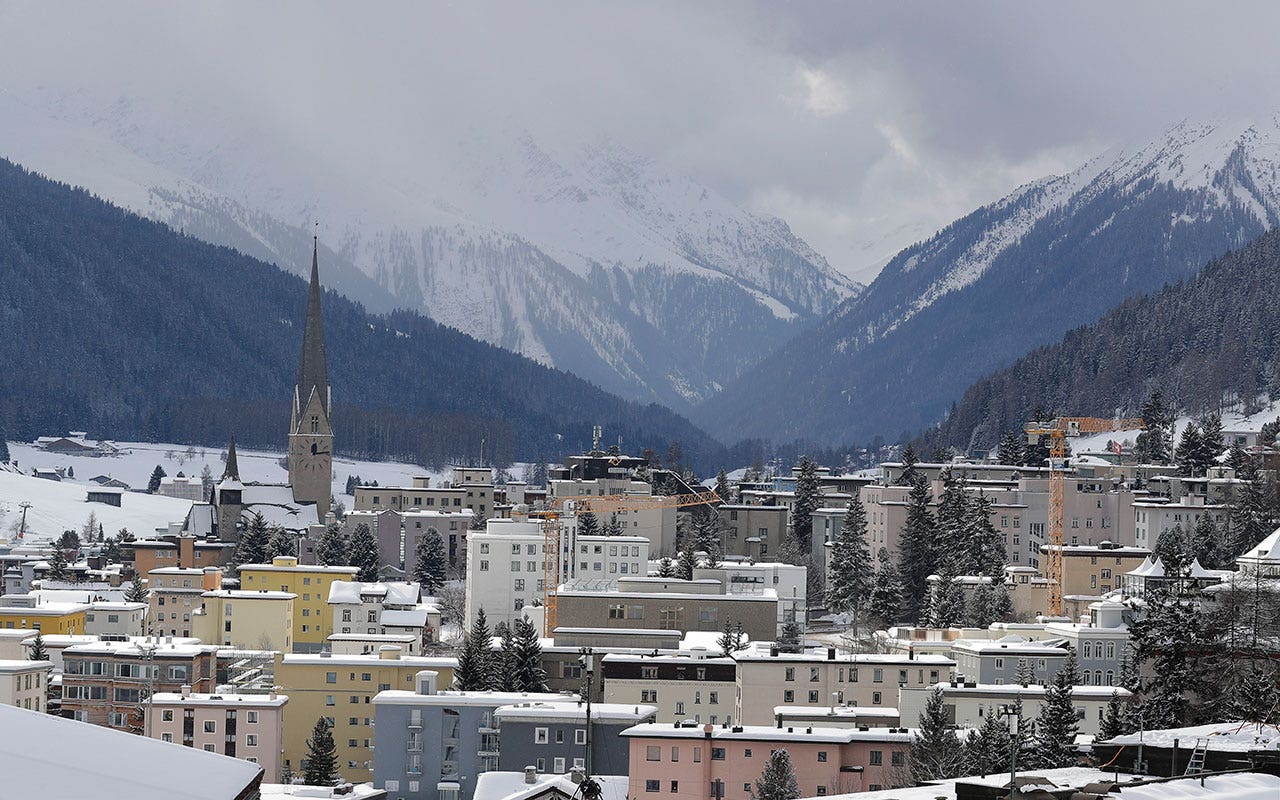
The timing of the vote adds another layer of intrigue. Switzerland's population has grown steadily over the past decade, fueled by economic opportunities in sectors like finance, pharmaceuticals, and tourism. Cities such as Zurich and Geneva have seen particular pressure, with housing shortages driving up rents and contributing to urban sprawl. Environmental advocates have joined the chorus, pointing to the paving over of natural landscapes in the scenic regions around Davos and Adelboden, where recent images captured massive crowds waving Swiss flags amid snowy hills.
Broader European trends underscore the referendum's significance. Across the continent, immigration has become a flashpoint, with similar debates raging in countries like Ireland, where recent protests in Dublin turned violent following an alleged sexual assault by a migrant, and the United Kingdom, where Prime Minister Keir Starmer's digital ID requirements for workers have sparked backlash from both left and right. In Greenland, the prime minister's declaration of choosing Denmark over potential U.S. interests highlights shifting alliances in migration and sovereignty discussions.
Supporters of the SVP's measure point to tangible impacts on daily life. Traffic congestion on alpine roads has worsened, public transport systems in major cities are frequently overwhelmed, and schools struggle with overcrowded classrooms. The party also cites rising crime rates and increased taxpayer burdens, attributing these to the demographic changes. While exact figures on crime linked to immigration remain debated, the SVP's narrative resonates with voters in rural areas who feel the effects of urbanization most acutely.
Critics, however, argue that the proposal is overly simplistic and potentially discriminatory. By targeting asylum and family reunification—pathways often used by non-EU migrants from conflict zones—the measure could disproportionately affect vulnerable populations. International relations experts warn that straining ties with the EU, Switzerland's largest trading partner, might lead to economic repercussions, including barriers to the single market that underpins much of the country's prosperity.
The referendum process itself is a hallmark of Swiss governance. Citizens can initiate national votes by gathering 100,000 signatures within 18 months, a threshold the SVP easily surpassed. If passed, the cap would require constitutional amendments, binding future governments to enforce it. Polling ahead of the vote suggests a divided electorate, with urban liberals leaning against and conservative rural voters in favor, mirroring splits seen in previous immigration referendums.
Looking ahead, the outcome could set a precedent for other nations grappling with migration pressures. As Europe faces ongoing challenges from conflicts in Ukraine, the Middle East, and Africa, Switzerland's decision will be watched closely by policymakers in Brussels and beyond. Regardless of the result, the debate has already elevated immigration to the forefront of Swiss politics, forcing all parties to confront the balance between openness and sustainability.
For now, as spring approaches the snow-capped peaks, the eyes of Switzerland—and much of Europe—are on this pivotal vote. The Federal Statistics Office continues to monitor population trends, with projections indicating that without intervention, the 10 million mark could be reached by the early 2030s. Whether voters opt for restraint or continuity remains to be seen, but the conversation has undeniably shifted the nation's trajectory on one of its most pressing issues.