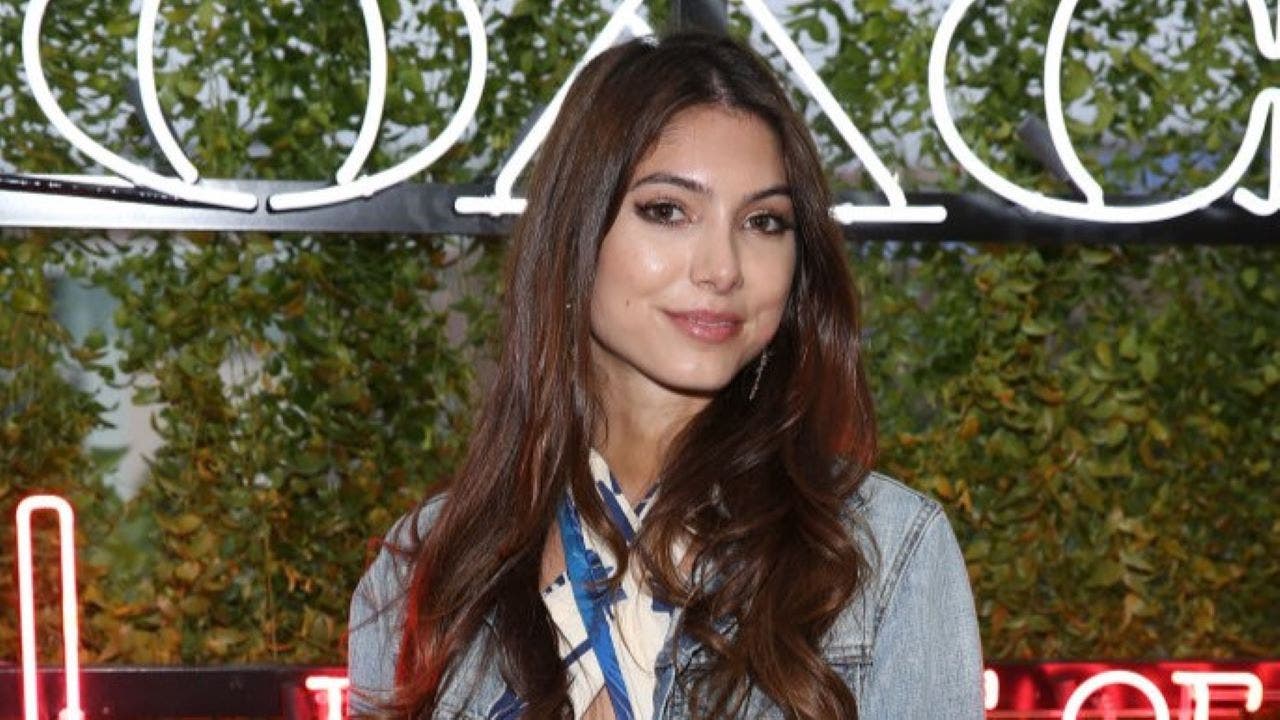
In a poignant interview over the weekend, exiled Iranian Princess Noor Pahlavi issued an urgent appeal to President Donald Trump, asserting that the Islamic regime in Iran has never been closer to collapse and that its people are desperately seeking American intervention. Pahlavi, whose grandfather was the last Shah of Iran before his ouster in 1979, spoke to The California Post from her home abroad, emphasizing the regime's vulnerability amid ongoing protests and a brutal crackdown by authorities. "It’s never been this close, and the regime has never been this weak," she said, describing how Iranians are "begging him to come in and help them because they’re fighting this government empty handed."
Pahlavi's comments come at a tense moment in U.S.-Iran relations, as nuclear talks between Washington and Tehran appear to be on the brink of breakdown. President Trump, speaking to reporters at the White House on Friday, indicated he is "considering" a limited military strike on Iran to compel its leaders into a nuclear agreement. He warned that the window for diplomacy is closing fast, giving Iran no more than "10, 15 days, pretty much maximum" to reach a deal. "We’re either going to get a deal, or it’s going to be unfortunate for them," Trump added during a Thursday statement, underscoring the high stakes involved.
The princess, who has never set foot in Iran despite her deep emotional ties to the country, expressed heartbreak over the government's violent response to demonstrators. "Imagine if this were happening to you and your country," she told The California Post. "It’s happening at the hands of the government, the government that’s meant to protect them. It’s literally a government waging war on its own citizens. It’s just incredibly painful to watch, to hear about." She stressed the moral imperative for the world not to ignore the suffering, saying, "And it’s hard for people here to see and hear about. But it’s our responsibility not to look away."
Her remarks highlight a surge in anti-regime sentiment inside Iran, where protesters have reportedly named streets after Trump and waved signs bearing his image during demonstrations. According to Pahlavi, the Iranian people took heart from Trump's earlier messages of support, interpreting them as a signal that assistance was forthcoming. This comes against the backdrop of widespread global protests calling for regime change in Iran, which erupted in major cities worldwide following a particularly bloody crackdown by security forces on demonstrators.
The U.S. has been bolstering its military presence in the region for weeks, with deployments near Iran signaling potential escalation. Two U.S. officials, speaking to Reuters on condition of anonymity, described options under consideration that could include targeted strikes on specific individuals or even broader efforts toward regime change, should President Trump issue such orders. The officials did not specify potential targets, but the discussion evokes memories of Trump's 2020 drone strike that killed Iranian General Qassem Soleimani, the commander of the Islamic Revolutionary Guard Corps' elite Quds Force, outside Baghdad International Airport.
That assassination, carried out on January 3, 2020, marked a dramatic escalation in tensions and drew vows of retaliation from Iran's leadership. Soleimani, long considered a key architect of Iran's regional influence, was traveling with Iraqi militia leaders when U.S. forces struck. The operation, justified by the Trump administration as a preemptive measure against imminent threats to American personnel, intensified debates over U.S. involvement in the Middle East.
Last week, when asked directly about the possibility of regime change in Iran, Trump responded affirmatively, stating, "Well it seems like that would be the best thing that could happen." This aligns with his administration's long-standing "maximum pressure" campaign against Tehran, which included withdrawing from the 2015 Joint Comprehensive Plan of Action nuclear deal and imposing stringent sanctions. Iran's President, in a recent address, adopted a somewhat softer tone on nuclear negotiations following Trump's warnings of dire consequences if no agreement is reached.
Pahlavi's family history adds layers of context to her advocacy. Her grandfather, Mohammad Reza Pahlavi, ruled Iran as Shah from 1941 until the 1979 Islamic Revolution, which saw the rise of Ayatollah Ruhollah Khomeini and the establishment of the current theocratic regime under Supreme Leader Ali Khamenei, who succeeded Khomeini in 1989. The revolution, fueled by widespread discontent over the Shah's authoritarianism, Westernization efforts, and economic inequalities, led to the exile of the Pahlavi family. Noor Pahlavi, born after these events, has become a vocal critic of the Islamic Republic from afar, often using her platform to champion the cause of Iranian dissidents.
"The people really listened when the president told them that help was on the way and that they should continue taking to the streets," Pahlavi said. "They’ve named streets after him. They’re holding up signs with his face on them."
These symbols of support for Trump among protesters illustrate a paradoxical dynamic: while Iran's leadership rails against American imperialism, segments of the population view U.S. involvement as a potential liberator. Reports from inside Iran, though difficult to verify due to government restrictions on media and internet access, suggest that protests have persisted despite severe reprisals, including arrests, internet blackouts, and lethal force by security forces.
The timing of Pahlavi's interview coincides with renewed focus on Iran's nuclear program. U.S. intelligence assessments, as reported in various outlets, indicate that Iran has accelerated uranium enrichment activities, bringing it closer to potential weapons-grade material than at any point since the 2015 deal's collapse. Trump has repeatedly criticized the agreement, brokered under President Barack Obama, as insufficiently stringent, arguing it failed to curb Tehran's ballistic missile development or support for proxy militias in Syria, Yemen, and elsewhere.
From the Iranian perspective, officials have accused the U.S. of sabotaging diplomacy through aggressive posturing. Supreme Leader Khamenei, in a recent speech alongside senior military officials, reiterated Iran's right to a peaceful nuclear program while condemning external interference. Iran's foreign ministry has called for the lifting of sanctions as a precondition for talks, a stance that clashes with Washington's demands for verifiable limits on enrichment and inspections.
Broader implications of any U.S. military action could ripple across the Middle East, potentially destabilizing oil markets and emboldening adversaries like Russia and China, which have deepened ties with Tehran. Analysts note that while regime change might appeal to exiled opposition figures like Pahlavi, it carries risks of prolonged conflict, as seen in Iraq and Afghanistan. The U.S. buildup, involving aircraft carriers and additional troops in the Persian Gulf, serves as both a deterrent and a readiness signal.
As the deadline Trump outlined approaches, all eyes are on the White House and Tehran. Diplomatic channels remain open, with indirect talks mediated through European allies, but momentum appears to favor confrontation. Pahlavi's plea underscores the human element in these geopolitical maneuvers, where the aspirations of ordinary Iranians hang in the balance. Whether Trump's considerations translate into action or a last-minute deal remains uncertain, but the princess's words echo a hope shared by many in the diaspora: that external support could tip the scales toward freedom.
For now, the world watches as Iran grapples with internal unrest and external pressures, a situation that has evolved dramatically since the Shah's fall nearly five decades ago. The Appleton Times will continue to monitor developments in this critical story.