By Rachel Martinez
The Appleton Times
WASHINGTON — Public health officials are probing a multistate outbreak of drug-resistant Salmonella infections potentially tied to Rosabella-brand moringa powder capsules, with seven people falling ill and three requiring hospitalization across seven states. The U.S. Food and Drug Administration announced the investigation on Thursday, joining forces with the Centers for Disease Control and Prevention and state health departments to trace the source of the contamination.
According to the FDA, the illnesses have been reported in Arizona, Florida, Iowa, Illinois, Indiana, Tennessee, and Washington. All cases involve a strain of Salmonella known for its resistance to certain antibiotics, raising concerns about treatment challenges for affected individuals. The agency has not yet confirmed the exact number of infections directly attributable to the product but stated that epidemiological evidence points to the moringa capsules as the likely culprit.
Ambrosia Brands, the distributor of the Rosabella moringa powder, has issued a voluntary recall for specific lots of the supplement. The affected products are packaged in 60-count white bottles with green lids and labels, sold primarily through Rosabella's website and TikTok shop, as well as online retailers like eBay and Shein. Consumers who purchased these items are urged to stop using them immediately.
The recalled lots are identified by SKU numbers beginning with 1356, followed by a lot code ending in -1 or -2. Expiration dates on these batches range from March 2027 to November 2027, as detailed in the FDA's recall notice posted online. A full list of impacted lot numbers is available on the agency's website for verification.
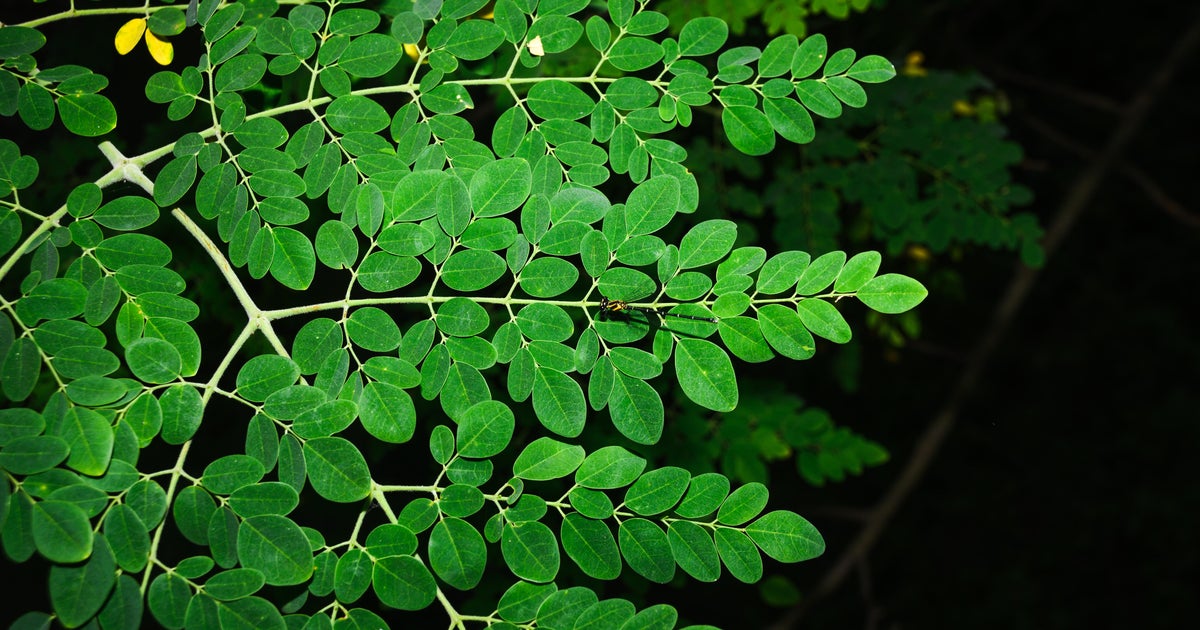
Moringa powder, derived from the leaves of the Moringa oleifera tree native to warm regions in Africa, Asia, and South America, has surged in popularity as a dietary supplement. The National Institutes of Health notes that the plant's leaves and pods are rich in essential nutrients like vitamins A, C, and E, as well as minerals such as calcium and iron. Traditionally, moringa has been used in beverages and remedies to address conditions including ulcers, toothaches, and hypertension.
Despite its nutritional profile, experts caution that many health claims surrounding moringa lack robust scientific backing.
"Some of the health claims around moringa (especially the claims made by supplement manufacturers) don't have a lot of evidence to support them," according to a recent article by the Cleveland Clinic. "Much more (and better quality) research is needed before healthcare providers can say that moringa prevents or treats illness of any kind."This skepticism underscores the importance of regulatory oversight in the booming supplement industry, where products often enter the market without pre-approval from the FDA.
The current outbreak highlights ongoing challenges in food safety for herbal and plant-based supplements. Salmonella, a common bacterial pathogen, typically spreads through contaminated food or water, causing symptoms such as diarrhea, fever, stomach cramps, and vomiting. While most healthy adults recover within a week without treatment, the infection can lead to severe dehydration and bloodstream infections, particularly in vulnerable populations.
The FDA emphasized that Salmonella poses a serious risk to individuals with compromised immune systems, young children, the elderly, and pregnant people. "Salmonella can cause serious, and sometimes fatal, infections in people with compromised immune systems," the agency stated in its public advisory. No deaths have been reported in connection with this outbreak so far.
Investigators from the CDC and FDA are conducting whole-genome sequencing on bacterial samples from patients to confirm links to the recalled product. State health officials are also interviewing those affected to identify common exposures. As of the latest update, the outbreak appears to have started in recent months, though exact onset dates for individual cases remain under review.
This incident is not isolated in the world of dietary supplements. In recent years, the FDA has recalled numerous products contaminated with Salmonella, including nut butters, spices, and even pet foods. For instance, a 2022 outbreak linked to Jif peanut butter sickened over 100 people across 37 states, prompting a massive recall. Such events often reveal gaps in supply chain monitoring, especially for imported ingredients like moringa, which may originate from regions with varying sanitation standards.
Ambrosia Brands has not issued a public statement beyond confirming the voluntary recall, but the company is cooperating with federal investigators. Retailers like eBay and Shein have been notified to pull the products from their platforms. Consumers who believe they may have purchased the affected lots are encouraged to contact the distributor for refund information or further guidance.
Health officials recommend thorough cleaning of any surfaces, utensils, or containers that may have come into contact with the moringa powder to prevent cross-contamination. Those who have consumed the product should monitor for symptoms, which can appear anywhere from six hours to six days after exposure. Anyone experiencing severe symptoms, such as bloody diarrhea, high fever, or prolonged vomiting, should seek medical attention promptly.
The broader implications of this outbreak extend to consumer trust in the supplement market, valued at over $50 billion annually in the U.S. alone. Advocacy groups like the Center for Science in the Public Interest have long called for stricter FDA regulations on supplements, arguing that current laws treat them more like food than drugs, allowing unverified claims to proliferate. While the FDA maintains that most supplements are safe, outbreaks like this one serve as stark reminders of potential risks.
As the investigation continues, public health agencies are working to prevent further illnesses. The CDC has updated its outbreak tracking page with details on the Salmonella cases, urging vigilance among supplement users. Officials expect to release more information in the coming weeks, including any expansions to the recall or additional states involved.
For now, the focus remains on protecting public health amid the growing trend of natural remedies. With moringa's popularity fueled by social media platforms like TikTok, where influencers tout its benefits, this outbreak may prompt renewed scrutiny of how such products are marketed and distributed. Consumers are advised to check product labels carefully and consult healthcare providers before incorporating new supplements into their routines.