WASHINGTON — The Trump administration is set to freeze more than $10 billion in federal funding for child care and social services programs in five Democratic-led states, citing concerns that taxpayer dollars have been improperly directed to non-citizens, according to a report in The New York Post.
The Department of Health and Human Services (HHS) plans to withhold funds from the Child Care Development Fund (CCDF), the Temporary Assistance for Needy Families (TANF) program, and the Social Services Block Grant, impacting California, Colorado, Illinois, Minnesota, and New York. Officials informed The New York Post that the pauses, totaling over $7.3 billion from TANF, nearly $2.4 billion from CCDF, and $869 million from the Social Services Block Grant, stem from allegations that benefits were fraudulently funneled to non-U.S. citizens. Letters notifying state officials of the funding freezes were expected to be sent on Monday.
The move comes amid heightened scrutiny of welfare programs in these states, particularly in Minnesota, where a sprawling fraud scandal has drawn national attention. In December, HHS sent letters to Minnesota Gov. Tim Walz and Minneapolis Mayor Jacob Frey requesting information on whether billions in taxpayer funds may have unlawfully supported "illegal and mass migration." Those inquiries followed investigations by the Treasury Department and the House Oversight Committee into nonprofits linked to the Twin Cities' Somali community.
Minnesota's Somali diaspora, which exceeds 100,000 people and is largely concentrated in the Minneapolis-St. Paul area, has been at the center of the controversy. According to the Pew Research Center, an estimated 130,000 illegal migrants lived in Minnesota as of 2023, up about 40,000 from 2019 and representing roughly 2% of the state's population. Prosecutors have charged more than 90 individuals — most from the Somali community — since 2022 in what has been called the nation's largest COVID-era fraud scheme involving meal and housing programs, daycare centers, and Medicaid services.
The scope of the alleged fraud in Minnesota remains under investigation, with the U.S. attorney in the state estimating losses could exceed $1 billion and potentially reach as high as $9 billion. Some defendants who have pleaded guilty used the proceeds to purchase luxury cars, real estate, jewelry, and international vacations, according to court records. Authorities have also raised concerns that portions of the funds were sent overseas, possibly to Islamic terrorists.
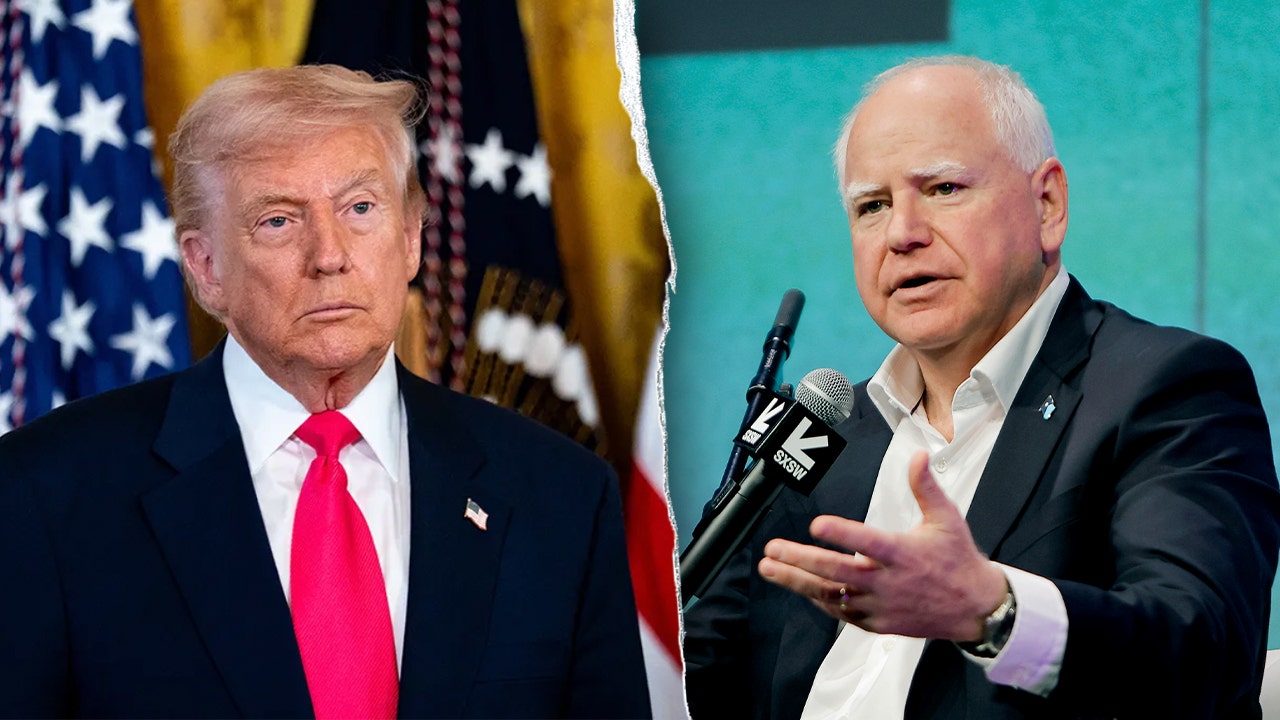
The funding freeze announcement coincided with Gov. Walz's decision on Monday to end his reelection campaign for a third term. Walz had launched his bid in September but faced intense criticism from President Donald Trump, Republicans, and even some Democrats over his handling of the fraud crisis in a state known for its strong tradition of good governance.
President Trump reacted swiftly to Walz's withdrawal in a post on Truth Social. "Minnesota’s Corrupt Governor will possibly leave office before his Term is up but, in any event, will not be running again because he was caught, REDHANDED, along with Ilhan Omar, and others of his Somali friends, stealing Tens of Billions of Taxpayer Dollars," Trump wrote. He added, "I feel certain the facts will come out, and they will reveal a seriously unscrupulous, and rich, group of ‘SLIMEBALLS.’"
Trump extended his criticism to other Democratic governors, stating, "Governor Walz has destroyed the State of Minnesota, but others, like Governor Gavin Newscum, JB Pritzker, and Kathy Hochul, have done, in my opinion, an even more dishonest and incompetent job." He concluded, "NO ONE IS ABOVE THE LAW!"
Republican lawmakers in Minnesota have amplified calls for Walz's resignation amid the scandal. House Fraud Committee Chair Rep. Kristin Robbins, R-Minn., discussed the issue on Fox News' 'The Story,' expressing no surprise at Walz's campaign exit and vowing that hearings would leave "no stone unturned." GOP spokesperson Karoline Leavitt warned that "people will be in handcuffs" as federal probes intensify.
In Texas, Gov. Greg Abbott ordered a comprehensive fraud probe into the state's child care funding following the Minnesota revelations, signaling broader ripple effects across the country.
New York Democrats have vehemently opposed the funding freeze, viewing it as political retaliation rather than a legitimate anti-fraud measure. A 2019 audit by the HHS Office of Inspector General found that New York State improperly claimed $24.7 million in federal reimbursements for child care subsidies in New York City due to system errors and oversight failures, not criminal activity. State officials agreed to refund the money and implement corrective measures.
Sen. Kirsten Gillibrand, D-N.Y., accused the administration of targeting vulnerable families for partisan gain. In a post on X, she wrote, "Trump is threatening to freeze child care funding in New York and targeting our children for political retribution. It’s immoral and indefensible." Gillibrand shared a public statement emphasizing her faith-guided commitment to serving those in need, regardless of politics.
"My faith guides my life and public service. It’s our job to serve the people most in need and most at risk – no matter what state they live in or what political party their family or elected representatives belong to," she said. "To use the power of the government to harm the neediest Americans is immoral and indefensible."
Gillibrand further argued, "This has nothing to do with fraud and everything to do with political retribution that punishes poor children in need of assistance." She demanded that President Trump "unfreeze this funding and stop this brazen attack on our children."
The funding pauses could disrupt services for low-income families across the affected states, where child care assistance is critical for working parents. In New York alone, the withheld funds would impact programs serving thousands of children. Critics like Gillibrand warn of harm to innocent families, while administration supporters point to the need for accountability in federal spending.
As investigations continue, the Minnesota case has intensified national debates over immigration, welfare eligibility, and citizenship requirements. GOP figures have pushed for stripping citizenship benefits in fraud-prone programs, while Democrats decry the moves as xenophobic. The coming weeks will likely see legal challenges from the states and further congressional hearings, potentially reshaping how federal aid is distributed amid ongoing political tensions.
Fox News Digital reporters Paul Steinhauser and Andrew Mark Miller contributed to this report.