In a move that has caught the attention of soccer fans worldwide, FIFA has introduced new, premium ticket categories for the 2026 World Cup, significantly driving up prices for some of the most sought-after seats. According to a report from ESPN, the governing body is now charging as much as $4,105 for a front-row Category 1 ticket to the United States' opening match against Paraguay on June 12 in Inglewood, California. This represents a sharp increase from the previous top price of $2,735 for standard Category 1 seats announced just last week.
The addition of these "front category" tiers was made quietly to FIFA's online sales platform without a public announcement, first brought to light by The Athletic on Thursday. For the same U.S. opener at SoFi Stadium in Inglewood, front Category 2 tickets are now priced between $1,940 and $2,330, offering fans closer access to the action at a premium. The World Cup, co-hosted by the United States, Mexico, and Canada, is scheduled to run from June 11 to July 19 across 16 cities, promising to be the largest edition of the tournament with 104 matches involving 48 teams.
FIFA's initial ticket information, released on September 9, described Category 1 seats as the highest-priced options, primarily located in the lower tier of stadiums, while Category 2 seats were positioned outside those prime areas in both lower and upper tiers. However, it now appears that the organization held back some of the most desirable front-row seats from the standard categories, reserving them for these new, even costlier options. FIFA did not respond to an email from ESPN seeking comment on the changes.
Similar price hikes have been applied to other high-profile matches. For Canada's opening game against Bosnia and Herzegovina on June 12 in Toronto, front Category 1 seats are now available for up to $3,360. In the knockout stages, FIFA has added $905 seats in the front Category 4 for round-of-16 games at Lincoln Financial Field in Philadelphia, providing more options but still at elevated costs compared to earlier listings.
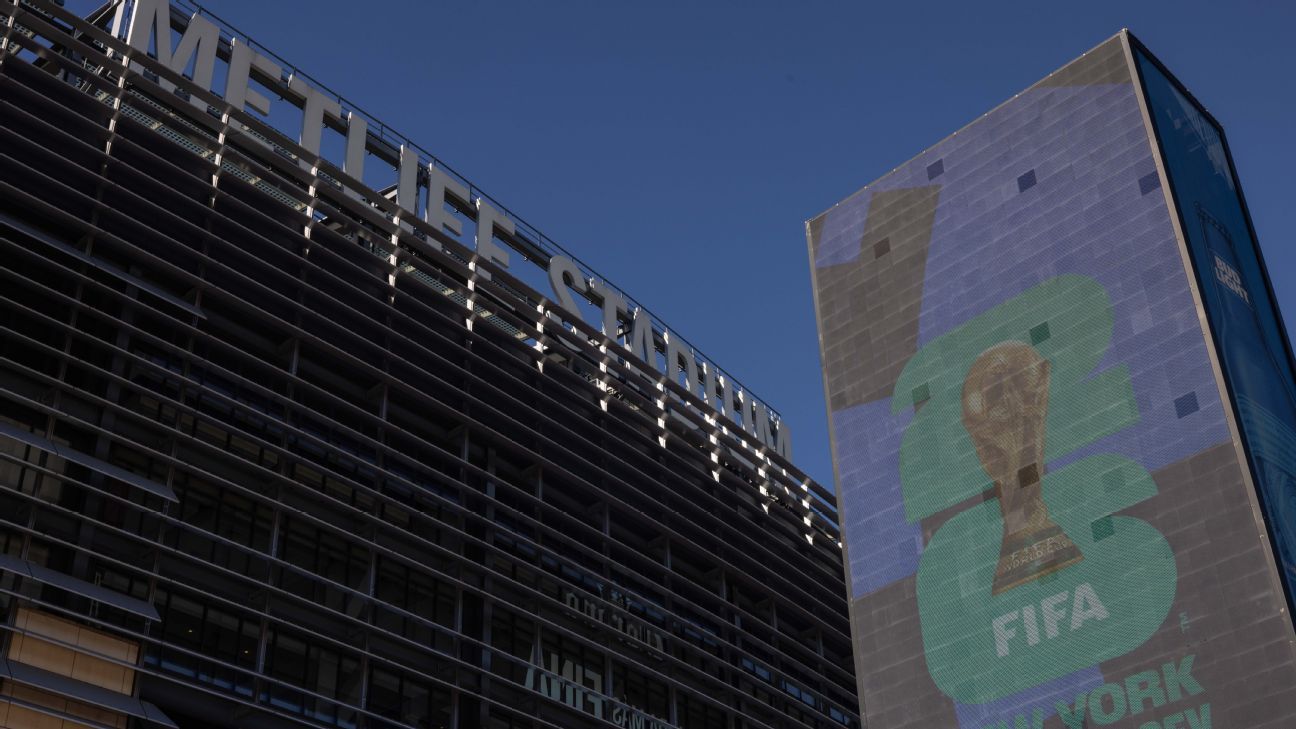
The adjustments come amid ongoing sales for the tournament, which reopened last week following the December draw. During that reopening, plagued by technical glitches on FIFA's website, the top price for the World Cup final on July 19 at MetLife Stadium in East Rutherford, New Jersey, was raised to $10,990—a jump from the previous $8,680. Category 2 tickets for the final now cost $7,380, up from $5,575, while Category 3 seats have increased to $5,785 from $4,185. As of Thursday, no tickets for the final were available on FIFA's site, underscoring the high demand and limited supply.
FIFA President Gianni Infantino has been vocal about the tournament's popularity, repeatedly stating that "all 104 matches of the 2026 World Cup will be sold out." This optimism follows initial fan backlash over the steep prices when tickets first went on sale after the draw. In response to those concerns, FIFA introduced a more affordable "supporters-tier" category in December, aimed at making the event accessible to dedicated fans who might otherwise be priced out.
The 2026 World Cup marks a historic expansion, growing from 32 to 48 teams and extending the tournament's duration to nearly six weeks. Venues span from the Pacific Northwest to the Northeast, including stadiums in Seattle, Los Angeles, and New York/New Jersey, with additional sites in Mexico City and Toronto. This tri-nation hosting arrangement was approved in 2018, with the U.S. taking the lead role after early bids from Morocco and a joint North American proposal.
Background on ticket sales reveals a pattern of evolving pricing strategies. When FIFA first unveiled its ticketing framework in September, the focus was on broad categories to accommodate diverse fan bases, from casual viewers to die-hard supporters. Yet, the unannounced addition of front-row premiums suggests an effort to capitalize on the event's global allure, particularly for opening matches and the final, which are expected to draw massive international audiences.
Experts in sports economics have noted that such dynamic pricing is common in major events like the Super Bowl or Olympics, where proximity to the field commands a premium. However, for the World Cup, which prides itself on inclusivity, these increases have sparked discussions about accessibility. While FIFA has not commented, the supporters-tier addition indicates some responsiveness to criticism, offering tickets at lower prices—though exact figures for that category remain tied to group-stage matches starting around $15.
Looking at specific examples, the U.S. opener in Inglewood highlights the pricing disparity. SoFi Stadium, home to the NFL's Rams and Chargers, will host not only the U.S.-Paraguay clash but also other group-stage games, making it a focal point for American fans. The jump to $4,105 for the best seats there is more than double the initial Category 1 price, potentially limiting attendance to high-income spectators or corporate buyers.
Canada's match in Toronto at BMO Field follows a similar pattern, with the $3,360 front seats reflecting the excitement around the host nation's debut. Bosnia and Herzegovina, a surprise qualifier in this context, adds an intriguing matchup, but the cost could deter local supporters. FIFA's strategy seems geared toward maximizing revenue from the expanded tournament, which is projected to generate billions in economic impact across the host countries.
In the knockout rounds, the Philadelphia addition of $905 front Category 4 seats for round-of-16 games provides a more modest premium, perhaps acknowledging that later-stage excitement doesn't always translate to the same front-row demand as openers. Lincoln Financial Field, known for its Eagles games, will see soccer fervor, but availability and pricing will be key factors in fan turnout.
The final's price escalation to nearly $11,000 for top seats has drawn particular scrutiny, especially after the sales site's glitches frustrated early buyers. MetLife Stadium, with its capacity for over 82,000, is poised to host what could be the most-watched sporting event in history. Yet, with no tickets currently listed, scalpers and secondary markets may soon dominate, further inflating costs for average fans.
Beyond pricing, the tournament's logistics are advancing, with FIFA confirming hospitality packages and travel deals to complement ticket sales. The organization's silence on the new categories leaves questions about transparency, but the reliance on reports from outlets like The Athletic and The Associated Press underscores the challenges in official communication. As sales continue, fans are advised to monitor FIFA's website for updates, though the rapid changes highlight the fluid nature of availability.
Overall, these developments signal FIFA's balancing act between profitability and fan engagement for what promises to be a landmark World Cup. With sold-out predictions from Infantino and ongoing adjustments, the 2026 edition could redefine soccer's global reach in North America, even as it tests the limits of affordability for its passionate followers.