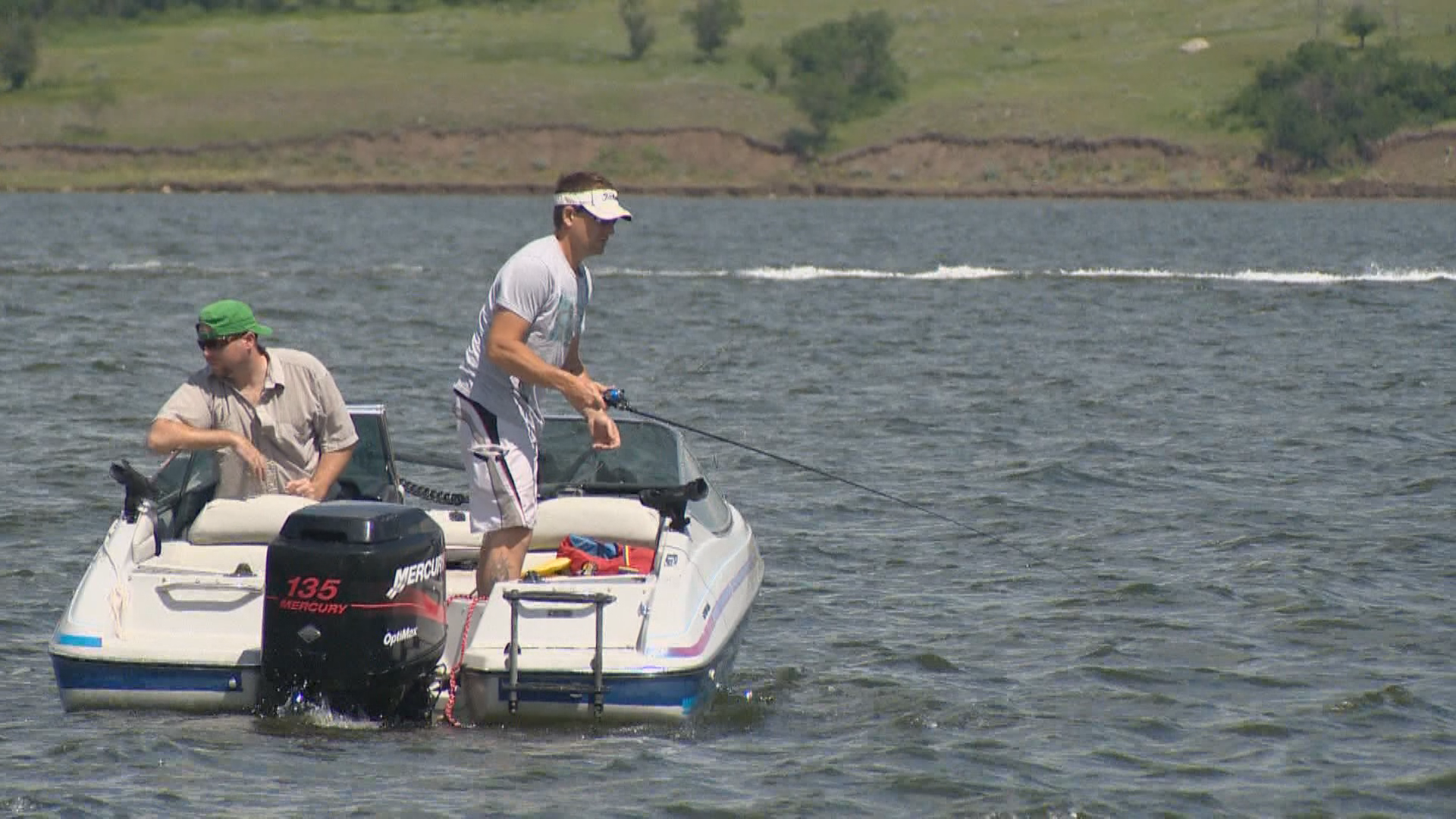
REGINA, Saskatchewan — Anglers across Saskatchewan are bracing for a modest hike in fishing license fees this season, as the province rolls out a new mandatory angling habitat certificate aimed at bolstering fish populations and habitats. The change, set to take effect at the start of the angling season on May 5, adds $20 to the cost of annual licenses and $5 to one- to three-day passes, according to officials with the Ministry of Environment.
The fee is designed to create a dedicated fund for critical fisheries programs, including enhancement projects, habitat restoration, and the province's fish stocking initiatives operated through the Saskatchewan fish hatchery. "That fund is used for things like fisheries enhancement, restoration of fish habitat, and also for our fish stocking program, which is all done through our Saskatchewan fish hatchery," explained Matt Tyree, director of fisheries for the Ministry of Environment, in a recent interview.
Tyree emphasized the long-term benefits for the province's angling community, noting that the investment will expand fishing opportunities over time. "It’s going to benefit the fishery overall. It’ll just allow people to have more options and more fish to catch in the long run," he said. The initiative draws inspiration from similar programs in other North American jurisdictions, such as Ontario and Alberta, where comparable habitat fees have reportedly led to positive outcomes for fish stocks and ecosystems.
In those provinces, the fees have supported targeted conservation efforts that have improved water quality, restored degraded habitats, and increased fish yields in popular angling spots. Saskatchewan officials point to these examples as evidence that the new certificate will yield tangible results here. Tyree highlighted that when anglers learn the specifics of how the funds will be allocated, resistance tends to fade. "Fish stocking is really important to anglers in Saskatchewan and knowing that the entirety of this fee is going to go to continuing to help support that program, as well as address some of the current needs at the hatchery," he added.
Local fishing enthusiasts and retailers have offered a mix of support and cautious optimism about the change. Brian Dygdala, manager of The Fishin’ Hole LTD, a popular tackle shop in the province, acknowledged the potential upsides but noted that the fee might deter occasional participants. "For a person that fishes all year long and loves fishing, they’re going to pay it. They might complain about it, but they’re still going to fish and they’re still going to buy a licence," Dygdala said. "But it might hamper the person that doesn’t fish a lot."
Dygdala's perspective underscores a key divide among Saskatchewan's roughly 200,000 annual license holders, many of whom treat fishing as a cherished tradition in a province rich with lakes, rivers, and reservoirs. Saskatchewan boasts over 100,000 lakes and more than 25,000 kilometers of streams, making it a prime destination for walleye, pike, and trout enthusiasts. The angling season, which typically runs from May through March of the following year with some restrictions, draws both residents and visitors, contributing millions to the local economy through gear sales, guides, and tourism.
The introduction of the habitat certificate comes amid broader environmental pressures on Saskatchewan's waterways, including climate change impacts, agricultural runoff, and habitat loss from development. Provincial data indicates that fish populations in some areas have declined due to these factors, prompting calls for increased funding for conservation. The Ministry of Environment has long managed the fish hatchery in Fort Qu'Appelle, which produces millions of fish annually for stocking programs across the province's water bodies.
Tyree reported strong initial reception to the policy announcement, with feedback from angling groups and the public leaning positive once details were shared. "Yeah, we’ve gotten a lot of positive feedback about it to this point," he said. This sentiment aligns with experiences in Alberta, where a similar fee introduced in 2018 has funded over $10 million in habitat projects, according to provincial reports, leading to measurable increases in fish biomass in targeted lakes.
In Ontario, the conservation surcharge on fishing licenses has supported wetland restorations and invasive species control since the early 2000s, with studies showing improved angling success rates in affected areas. Saskatchewan's version, while smaller in scale, is expected to generate around $4 million annually based on current license sales, all earmarked exclusively for fisheries-related initiatives. Officials stress that no portion of the fee will go toward general administrative costs.
One practical consideration for anglers is the timing of license purchases. Those who buy their licenses before May 5 will avoid the new fee entirely, providing a window for early birds to save. The province's angling licenses are available online through the Saskatchewan eServices portal or at authorized retailers like The Fishin’ Hole LTD. Daily and multi-day passes, popular among tourists and casual fishers, will see the $5 add-on applied immediately upon the season's start.
While dedicated anglers like those who frequent spots such as Last Mountain Lake or the Saskatchewan River Delta may absorb the cost without much fuss, the increase could impact families or newcomers to the sport. Dygdala predicted that while complaints might surface, the passion for fishing in Saskatchewan—rooted in Indigenous traditions and settler history—will likely prevail. The province's angling culture is deeply ingrained, with events like the annual Family Fishing Week promoting accessibility for all ages.
Beyond immediate reactions, the habitat certificate represents part of a larger push by the Ministry of Environment to modernize conservation funding. In recent years, Saskatchewan has faced budget constraints that limited hatchery operations and habitat monitoring. This fee addresses those gaps without raising taxes, a move praised by some environmental advocates who argue it's a fair user-pays model for recreational users.
Critics, though not prominently voiced in current reports, might question whether the fee adequately addresses root causes like pollution or overfishing. However, Tyree countered that the funds will enable proactive measures, such as upgrading hatchery facilities strained by aging infrastructure. "He says when residents hear what the money is going into, people don’t seem to mind paying the extra amount," as noted in coverage of the announcement.
Looking ahead, the success of the angling habitat certificate will likely be measured by future fish stock assessments and angler satisfaction surveys. If patterns from Ontario and Alberta hold, Saskatchewan could see enhanced fisheries within a few seasons, potentially attracting more out-of-province visitors to its world-class waters. For now, as ice melts on lakes like Diefenbaker Reservoir, anglers are preparing for what promises to be a season of change—and hopefully, richer catches.
The policy's rollout coincides with spring preparations across the province, where bait shops are stocking up and guides are booking trips. With the fee's benefits tied directly to the resource anglers cherish, officials remain confident it will foster a sustainable future for Saskatchewan's fishing heritage.